Vintage Shotguns Still Fight: Why Old Pumps and Break-Actions Refuse to Die
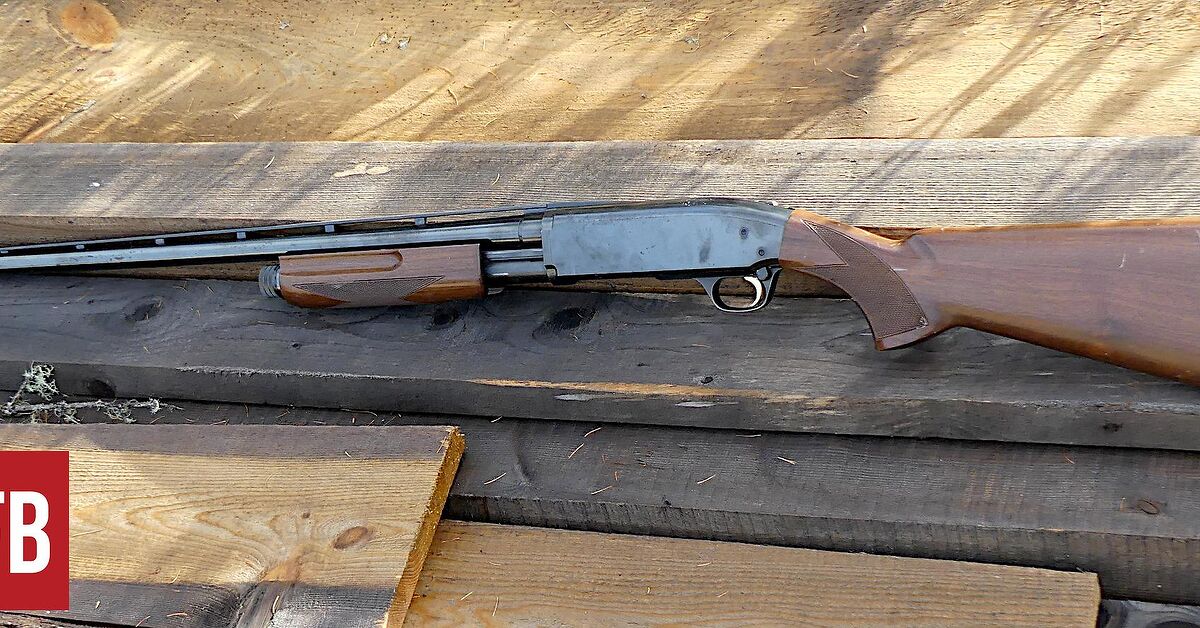
Gun owners obsess over modern tactical shotguns, but thousands of proven hunters from decades past remain lethal today. A Remington 870, Mossberg 500, or simple double-barrel shotgun built in the 1970s functions identically to its 2024 counterpart. The ammunition changed. The gun did not.
Modern ammunition manufacturers produce shorter shells—2.75-inch 12-gauge rounds instead of 3-inch—for efficiency and cost. Older shotguns fired these shells exclusively. Today, hunters and shooters dismiss these guns as obsolete. They are wrong.
Why It Matters for Gun Owners
A $150 used Mossberg 500 pump delivers the same fight-stopping capacity as a $1,200 modern Benelli. Both cycle 00 buckshot at comparable velocities. Both pattern reliably at defensive distances. The older gun costs less, requires no proprietary parts, and accepts ammunition manufactured by every major producer.
Defensive shooters overestimate the value of extended magazine tubes and tactical rails. A pump shotgun with eight rounds in the magazine and five more on the receiver proves more than adequate for any civilian scenario. You will not reload during a home invasion.
Hunters face identical reality. A fixed-choke Remington 1100 semi-auto cycles bird shot through a pheasant field without failure. A side-by-side double-barrel with exposed hammers costs $300 used and kills ducks as effectively as it did in 1950. Both shoot modern ammunition without modification.
The real advantage of newer shotguns involves ergonomics, not capability. Modern safety levers sit in better positions. Stocks feature improved combs for red-dot sight picture. Receivers accept picatinny rails for lights and optics. These are quality-of-life upgrades, not essential upgrades.
Background
Shotgun evolution stalled in the 1980s. The basic mechanics—pump action, inertia-driven semi-auto, over-under break-action—remain unchanged since the 1950s. Engineers perfected these designs decades ago. Shotguns do not jam from design flaws; they jam from neglect.
Ammunition standardization actually helps older shotguns. When every shell measures 2.75 inches and fires at 1,200 feet-per-second, reliability becomes predictable. A 1975 Savage 320 performs identically to a 1975 Winchester 1200. Both guns shoot today's ammunition without issue.
The misconception stems from shotgun gauges. A 12-gauge receiver fires 12-gauge ammunition regardless of manufacture year. A 20-gauge Mossberg from 1978 chambers modern 20-gauge shells. Gauge determines ammunition compatibility, not era.
Hunters abandoned older shotguns for trend, not function. Semi-auto inertia guns eliminate recoil perception. Composite stocks resist weather better than wood. Ventilated ribs improve sight picture in competition. None of these features matter in a duck blind or defensive situation.
DownRange Bottom Line
Your grandfather's shotgun works. That Remington 870 your uncle sold you for $120 functions. That Mossberg pump found at the pawn shop chambers current ammunition and cycles reliably.
Modern shotguns offer comfort, not capability. Buy old. Maintain simple. Train hard. The gun fires the same projectiles at the same velocity whether it left the factory in 1975 or 2025. Ammunition compatibility trumps manufacturing date every time.
Stop waiting for features. Start shooting what you own.