Gun Control Lobby Warns SNAP Cuts Will Trigger Crime Surge
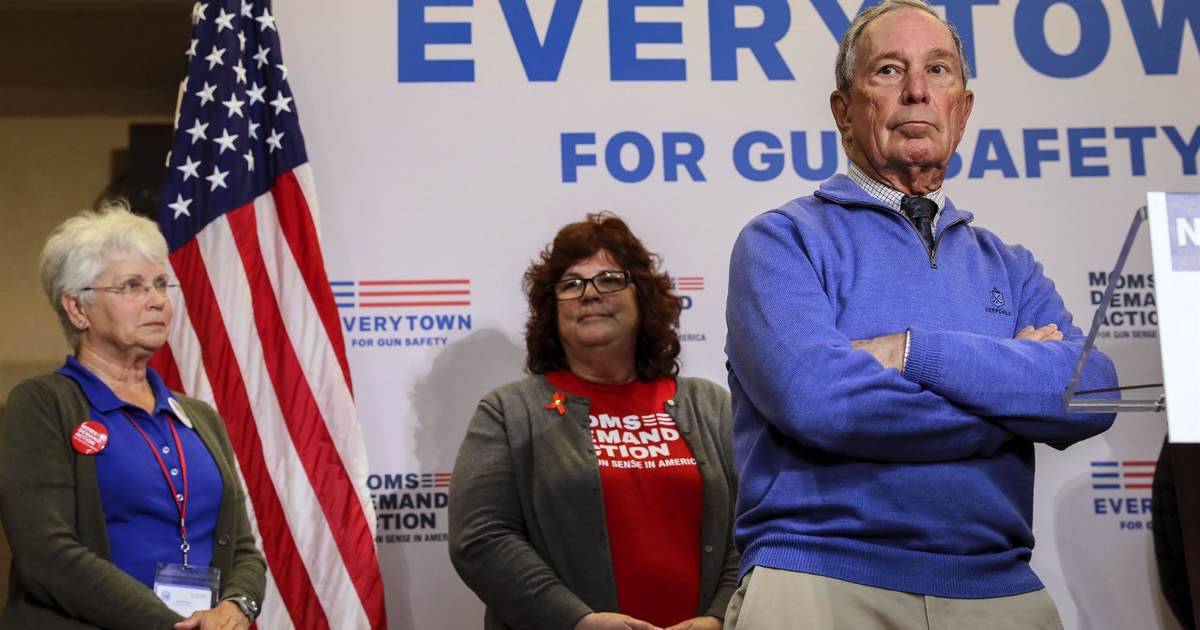
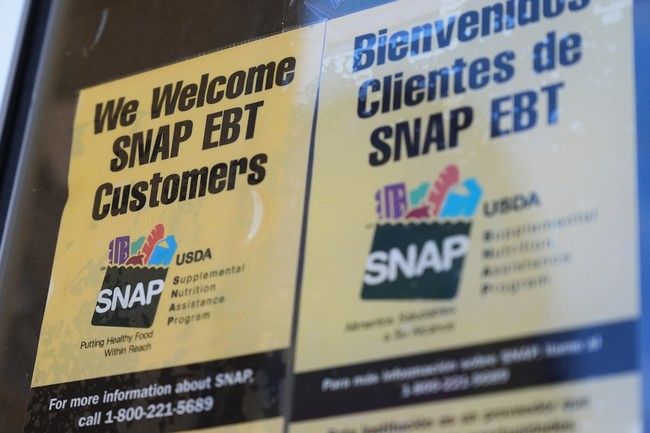
Gun control advocates are publicly predicting that cuts to Supplemental Nutrition Assistance Program (SNAP) benefits will drive a sharp increase in violent crime and shootings across the United States. The prediction reveals the movement's core argument: that poverty, not firearm ownership, drives homicide rates. The claim surfaces as the nation records over 1,000,000 gun sales monthly while homicides fall to levels unseen in decades.
Key Details
The Setup: Gun control groups are tying proposed SNAP reductions directly to predicted increases in gun violence, positioning poverty relief as a crime-prevention tool rather than a welfare issue.
The Contradiction: Monthly gun sales remain above 1,000,000 units. Simultaneously, U.S. homicide rates are declining to levels not recorded in approximately 100 years, creating a direct empirical challenge to the gun-violence-equals-gun-ownership narrative.
The Timing: The warnings come as Congress debates federal spending, including potential modifications to nutrition assistance programs.
Why It Matters for Gun Owners
This argument matters because it exposes the logical fracture in mainstream anti-gun rhetoric. If gun ownership causes crime, then the inverse should also be true: fewer guns should mean less crime. Instead, we're seeing record gun sales paired with falling homicide rates—a reality that contradicts the foundational claim of the gun control movement. For gun owners, these predictions serve as documentation of how the anti-gun lobby will attribute crime to any variable except the one they've staked their political existence on challenging: that more firearms in responsible hands correlates with lower violent crime rates. The SNAP argument is a pivot, not evidence.
DownRange Analysis
The gun control lobby is essentially admitting that socioeconomic factors—not gun availability—drive crime. That's a major concession. If they're correct that SNAP cuts increase shootings, then their decades of focus on magazine bans and background checks represent profound misdirection. The current crime data doesn't support their warnings: gun sales are at historical highs, homicides are at historical lows. Gun owners should expect this rhetorical shift to continue. As their traditional arguments fail empirical scrutiny, anti-gun groups will increasingly blame other factors while still demanding gun restrictions—a pattern that exposes the true goal as regulation for its own sake, not crime prevention.