Harmeet Dhillon Leaves DOJ After Building a Second Amendment Section
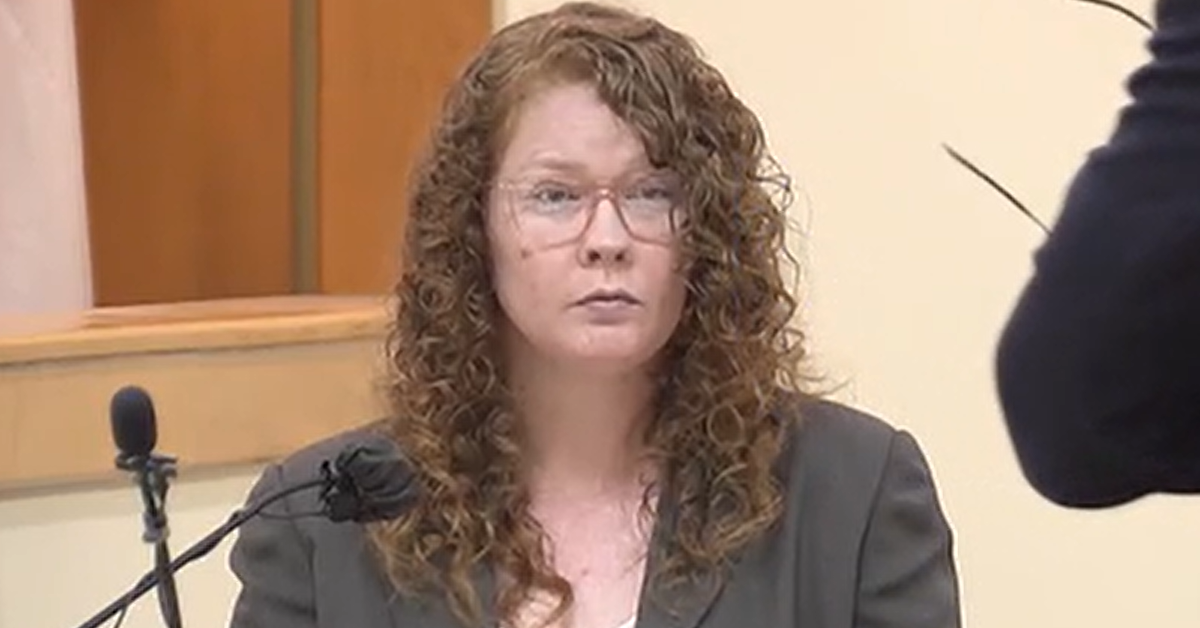
Harmeet Dhillon is leaving her post as Assistant Attorney General for Civil Rights at the Department of Justice. The announcement came this week, and Bearing Arms marked it with a tribute on November 6, 2026. The most concrete part of her record is a dedicated Second Amendment Section inside the Civil Rights Division. That unit investigates constitutional violations, files lawsuits, intervenes in litigation, and targets agencies that infringe on law-abiding gun owners. The piece is an opinion column, so the praise reflects its author's view. The factual claims below come from its timeline of cases.
Key Details
The column lists a series of federal actions taken during Dhillon's tenure. They cover permit processing, fees, waiting periods, and carry restrictions across several states:
- Los Angeles County Sheriff's Department: DOJ investigated concealed carry permit delays and found more than 8,000 applications. Records initially showed only two approvals, and some interviews were scheduled up to two years out.
- Settlement: DOJ sued the department. By August 2026, the department agreed to a settlement, and the county cut its processing delays sharply.
- San Jose, California: DOJ challenged concealed carry licensing fees approaching $1,600.
- Minnesota: DOJ sued over firearm purchase permitting requirements and waiting periods that could force some residents to wait nearly 60 days.
- Montgomery County, Maryland: DOJ challenged public carry restrictions that made lawful carry extremely difficult, even for licensed holders.
- Philadelphia, Pennsylvania: The division is investigating alleged unconstitutional permit revocation practices.
- New Jersey and Connecticut: The division is investigating permit issuance delays in both states.
The column also notes that not every case has reached a final judgment. Several matters remain open, and the next Civil Rights chief will decide how aggressively to pursue them.
Background
For most of the modern era, Second Amendment challenges came from private groups and gun rights organizations. Federal prosecutors rarely filed them. That changed in part because the Supreme Court tightened the test for gun laws. In New York State Rifle & Pistol Association v. Bruen (2022), the Court struck down New York's proper-cause requirement for carry licenses. It held that the government must justify firearm regulations by pointing to the nation's historical tradition of firearm regulation. Discretionary licensing schemes, long fees, and open-ended delays all became easier to challenge under that standard.
Federal law already gave DOJ a tool for this work. The pattern-or-practice provision of the 1994 Violent Crime Control Act, codified at 34 U.S.C. 12601, lets the Attorney General sue law enforcement agencies that engage in a pattern of constitutional violations. The Los Angeles County case shows that statute applied to permitting. The new section gave that authority a permanent home and a dedicated staff.
Why It Matters for Gun Owners
If you live in California, Minnesota, Maryland, Pennsylvania, New Jersey, or Connecticut, these cases touch your daily life. Permit delays, fees, and waiting periods do not look like bans, but they decide who can carry and when. A permit that takes two years to process works as a denial for anyone who needs it sooner. A $1,600 fee works as a tax on the right to carry, and it falls hardest on people with the least money.
Watch the state-level responses. Settlements in one county do not bind other agencies. Gun owners should track whether sheriff's offices and police departments in these states shorten processing times after the DOJ actions. Keep records of your own application dates, fees, and correspondence. Those records become evidence if an agency stalls.
DownRange Analysis
Under Bruen, a licensing delay that effectively denies a permit fails the historical test. The government has to show that a two-year wait mirrors something the Founders accepted. It cannot. The Los Angeles settlement shows that agencies will fold when federal prosecutors file the complaint. Expect the next Civil Rights chief to keep the Second Amendment Section running, but a lot depends on whether the staff and budget survive the transition.
Practically, gun owners should do three things now. First, check your state's current carry permit timeline and fees. Second, if you have a pending application, document every delay in writing. Third, support the organizations that file these suits alongside DOJ. Federal enforcement helps, but private litigation does most of the heavy lifting when federal attention shifts.