Navy Medic Performs Emergency Appendectomy 120 Feet Underwater
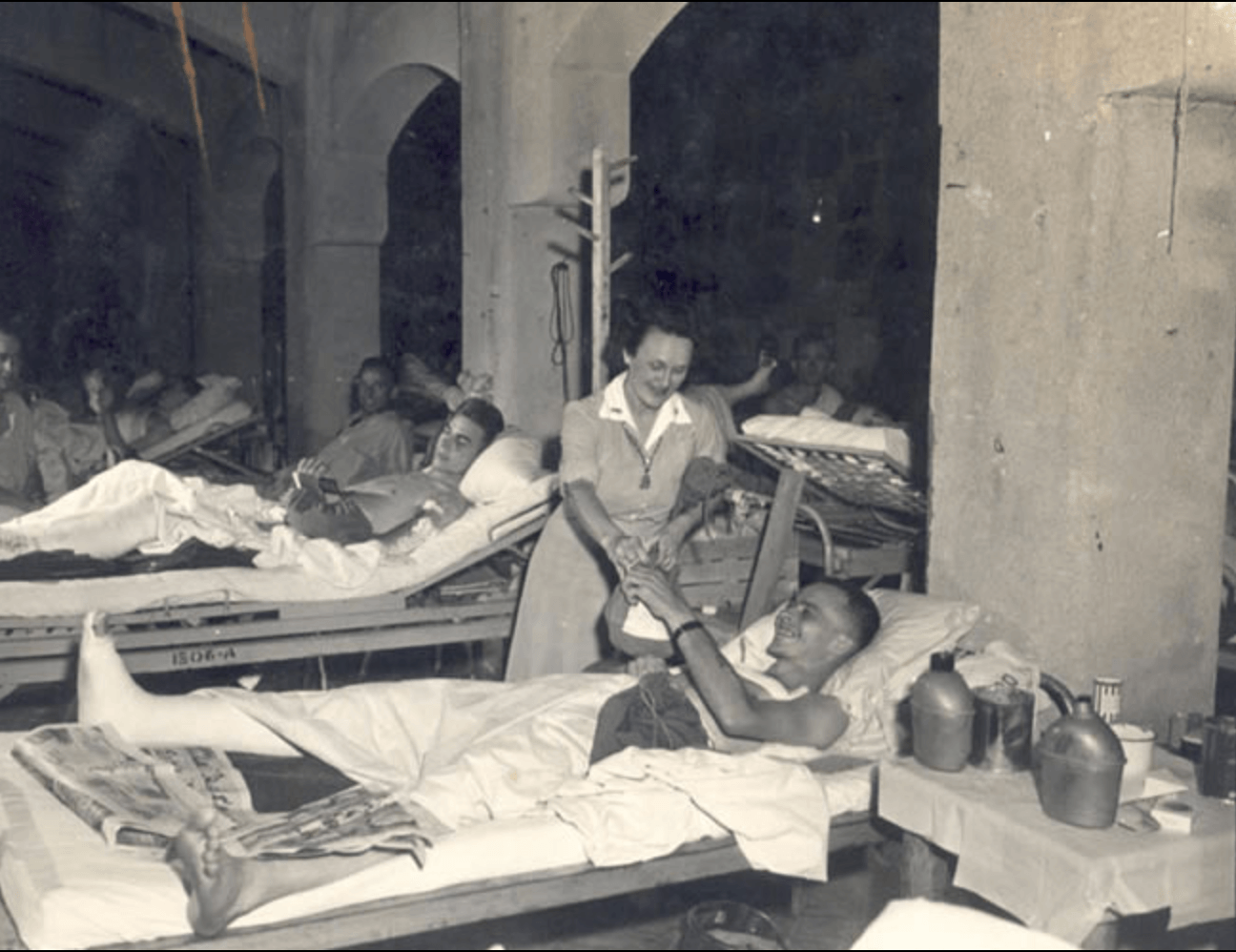
Twenty-two-year-old Hospital Corpsman Johnny Lipes performed a successful appendectomy aboard USS Seadragon while the submarine operated 120 feet below the Pacific Ocean. Operating with improvised tools and minimal medical supplies, Lipes saved his patient's life in one of military medicine's most extreme conditions. The surgery occurred during the Cold War when submarines operated in hostile waters with no possibility of emergency evacuation.
Lipes faced an impossible situation. A sailor developed acute appendicitis symptoms while USS Seadragon operated deep underwater. The commanding officer couldn't surface without risking detection. Lipes couldn't call in a helicopter. He couldn't transfer the patient to a hospital ship. The young medic had seconds to decide: attempt surgery with what he had, or watch a sailor die.
He chose action. Lipes used a galley table as an operating surface. He sterilized instruments with boiling water. His surgical kit contained basic battlefield supplies—nothing designed for major abdominal surgery. The submarine's crew crowded around in dim lighting, assisting where possible. Lipes made precise incisions, located the inflamed appendix, and removed it cleanly. The patient survived and recovered fully.
Why It Matters for Gun Owners
This story matters because it demonstrates the medical competence embedded in military training. Navy corpsmen train specifically for trauma medicine in extreme conditions. They learn to improvise, adapt, and overcome resource limitations. When seconds matter, this training separates life from death.
For civilian gun owners, the lesson cuts deeper. Self-reliance under pressure defines both military service and responsible firearm ownership. Lipes didn't freeze. He didn't panic. He assessed his resources, made a decision, and executed. Those same principles apply to defensive situations, medical emergencies, and survival scenarios gun owners might face.
Additionally, this story highlights why quality first aid training matters for anyone who carries. Lipes' success stemmed from knowledge combined with whatever tools existed. Civilian gun owners should maintain similar medical readiness—tourniquets, pressure bandages, and training. You might never perform surgery 120 feet underwater, but you could face an immediate need to stop bleeding or treat a wound.
Military medicine advances inform civilian Emergency Medical Technician training and trauma protocols. The techniques developed in extreme combat conditions eventually reach civilian emergency rooms and civilian first responders. Supporting military readiness indirectly supports civilian medical innovation.
Background
Johnny Lipes served aboard USS Seadragon during patrols in the 1960s. Submarine deployments lasted months. Contact with the outside world was minimal. Medical emergencies couldn't be solved by radio calls for help.
Lipes received standard Navy corpsman training—extensive and rigorous. That training prepared him for battlefield conditions, not submarine surgery. Yet he applied those principles perfectly when faced with an unknown situation. His appendectomy succeeded because he understood anatomy, understood sterile technique, and refused to accept that failure was acceptable.
The surgery was documented and studied. Medical schools later examined Lipes' decision-making and technique. His actions influenced how military medicine approached emergency procedures in isolated environments.
DownRange Bottom Line
Johnny Lipes performed an impossible task through training, nerve, and refusal to quit. Gun owners should maintain similar commitment to preparation and competence. Learn first aid beyond basic CPR. Carry trauma supplies. Train under stress. When your moment comes, you'll execute the same way Lipes did—with confidence born from knowledge and practice. That's not military exceptionalism. That's responsible citizenship. Train like your life depends on it, because someday it might.