Winchester Spent a Century Refining the Autoloading Shotgun — Here's Why
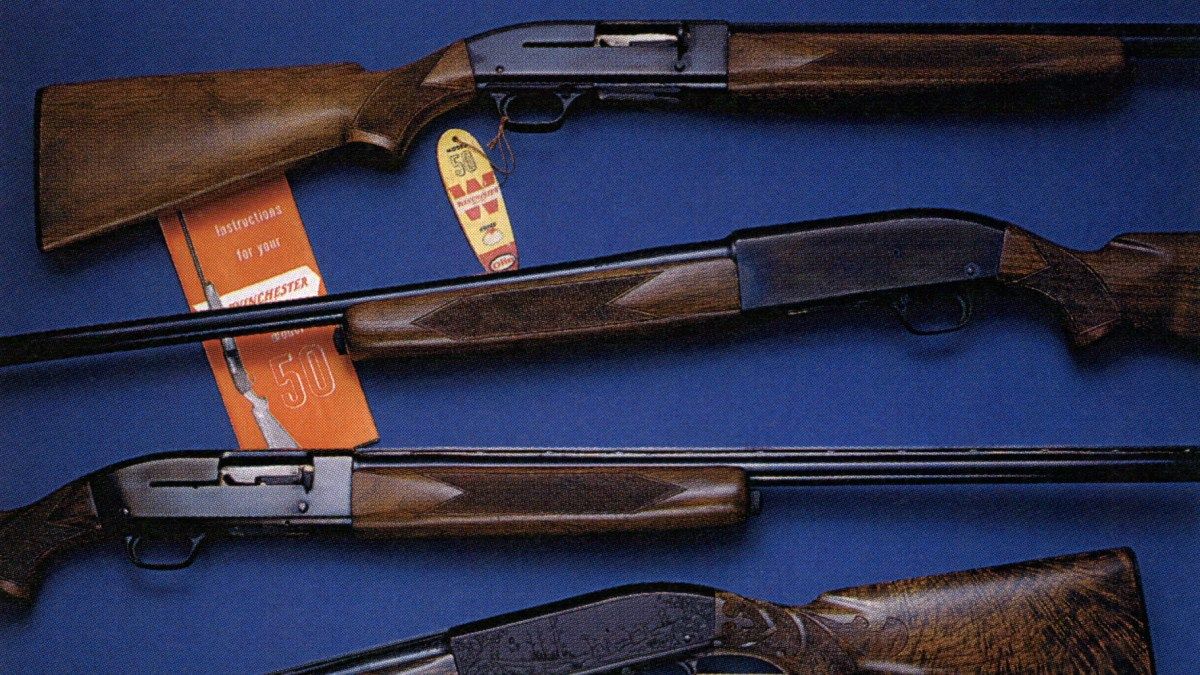
Winchester didn't build the perfect autoloading shotgun overnight. The company's century-spanning pursuit of a reliable, field-ready semi-auto shotgun reflects the genuine engineering challenge of managing recoil, gas systems, and reliability across dozens of ammunition loads and firing conditions. From early experimental models through modern production guns, Winchester's design evolution tells the story of how competitive pressure and user demands shape American firearm development.
Key Details
Winchester's autoloader timeline spans from the early 1900s forward. The company cycled through multiple operating systems—inertia-driven, gas-operated, and long-recoil designs—each addressing real problems shooters encountered in the field and at competition. Early models struggled with reliability across different ammunition types and shooting conditions. Later iterations incorporated refinements in gas tube design, action spring geometry, and bolt carrier profiles. Winchester's willingness to abandon unsuccessful designs and restart suggests genuine commitment to solving the semi-auto shotgun problem rather than marketing a mediocre solution.
Why It Matters for Gun Owners
If you shoot clay sports, hunt waterfowl, or run shotgun drills, Winchester's design history directly impacts the guns in your safe today. Semi-auto shotguns demand precision engineering that most shooters take for granted—chamber tolerances, gas port sizing, and bolt timing must work across Federal, Winchester, and third-party ammunition in everything from light target loads to 3-inch magnums. Winchester's iterative approach meant each generation got closer to the goal: a gun that runs reliably without babying ammunition choices. Understanding this history explains why some shotguns fail with certain loads while others run everything—the design decisions made decades ago still echo in current production. For buyers shopping semi-auto shotguns today, Winchester's long development arc suggests their current offerings reflect hard-won engineering knowledge rather than marketing hype.
DownRange Analysis
Winchester's century-long quest reveals something competitors don't advertise: autoloading shotguns are harder to engineer than rifles or pistols. The energy management problem—extracting just enough recoil energy to cycle the action without pounding the shooter—doesn't have one correct answer. Different shooters, different loads, different weather conditions all shift the variables. This explains why some companies abandoned semi-autos entirely while Winchester persisted. Modern Winchester autoloaders benefit from a design lineage most competitors lack. If you're evaluating semi-auto shotguns, ask yourself: does the manufacturer have this kind of documented development history, or are they banking on a single design that happens to work? That distinction separates proven guns from ones that'll fail when conditions change.