Hunter Biden Dares Congress: 'Bring It On' for Testimony
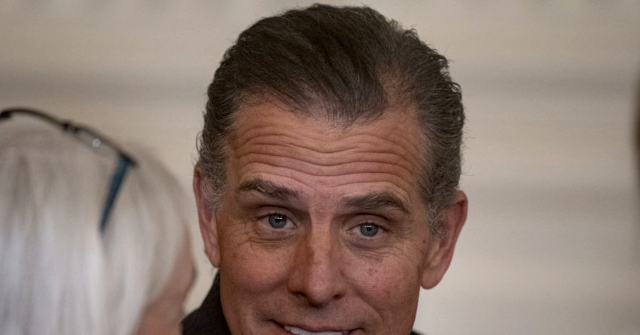
Hunter Biden publicly accepted a request from Sen. John Curtis (R-UT) to testify before Congress, issuing a defiant challenge: "Bring it on." Biden volunteered to appear alongside Donald Trump Jr., removing procedural barriers to his appearance and signaling willingness to face Republican questioning on unspecified matters. The former president's son issued the dare publicly, stating "I'll sit next to Don Jr. and testify any time."
Curtis's formal request triggered Biden's response, indicating GOP interest in congressional testimony from both Biden and Trump family members. Biden's public acceptance removes any excuse for delay and forces Republicans to define their investigation's scope. The specific focus of Curtis's request remains unclear, though sources suggest multiple topics under consideration.
Why It Matters for Gun Owners
This congressional pressure carries direct relevance to Second Amendment advocacy and federal enforcement consistency. Hunter Biden's 2018 firearm purchase and subsequent felony conviction sparked intense 2A debate over prosecution standards, background checks, and enforcement disparities that continue today.
Gun owners should monitor whether Congress uses this platform to examine inconsistencies in firearm prosecution. Republican interest in his testimony may surface questions about how federal gun laws apply to prominent figures versus everyday citizens. The ATF's selective prosecution patterns deserve scrutiny. Congressional testimony could reshape narratives around federal enforcement priorities and reveal whether political status affects gun charges.
If Curtis's committee focuses on Second Amendment issues, this testimony becomes a rare opportunity to create congressional record on how the Biden administration handled firearm cases involving family members. Gun rights advocates need answers about enforcement bias and comparative treatment of high-profile defendants versus ordinary Americans facing similar charges. The testimony could expose whether the DOJ applies different standards based on political affiliation or family connections.
Background on Biden's Gun Case
Hunter Biden purchased a Colt Cobra .38 Special revolver in October 2018 at a Delaware gun store. He falsely certified on federal Form 4473 that he was not an unlawful user of controlled substances, though evidence showed active cocaine addiction at that time. The gun was later discarded in a trash bin outside a Delaware grocery store.
Prosecutors charged Biden with two felonies: making a false statement on a firearms transaction and illegally possessing a firearm while being an unlawful drug user. These charges carry up to ten years in prison each. Biden pleaded guilty in July 2024, accepting responsibility for the false certification.
The case raised questions about enforcement consistency. Ordinary citizens facing identical charges receive aggressive prosecution, yet Hunter Biden's case took years to develop and faced significant delays. Gun owners noticed the disparate handling compared to typical 4473 violations, which federal prosecutors prioritize heavily in criminal dockets nationwide.
DownRange Bottom Line
Gun owners need Congress to ask hard questions about enforcement bias and prosecution standards. Hunter Biden's public acceptance of testimony removes political cover for avoiding scrutiny. Republican legislators must use this opportunity to examine whether the ATF and DOJ apply equal enforcement to all Americans or grant preferential treatment based on political connections.
This testimony could establish precedent for how Congress addresses firearm violations by prominent figures. Gun rights advocates should demand detailed questioning about prosecution timelines, charging decisions, and sentencing recommendations. The federal government's selective enforcement patterns directly affect Second Amendment protections for all citizens. Watch whether Republicans press for answers about why this case moved differently through the system than comparable violations would for ordinary Americans.