Harvest Labor Beats $500–$2,000 Annual Lease Payments
Private waterfowl hunting access doesn't require a lease check. Hunters willing to work fall and spring harvest operations gain exclusive or semi-exclusive shooting privileges—plus something leaseholders never fully obtain: genuine ground knowledge and a landowner's trust.
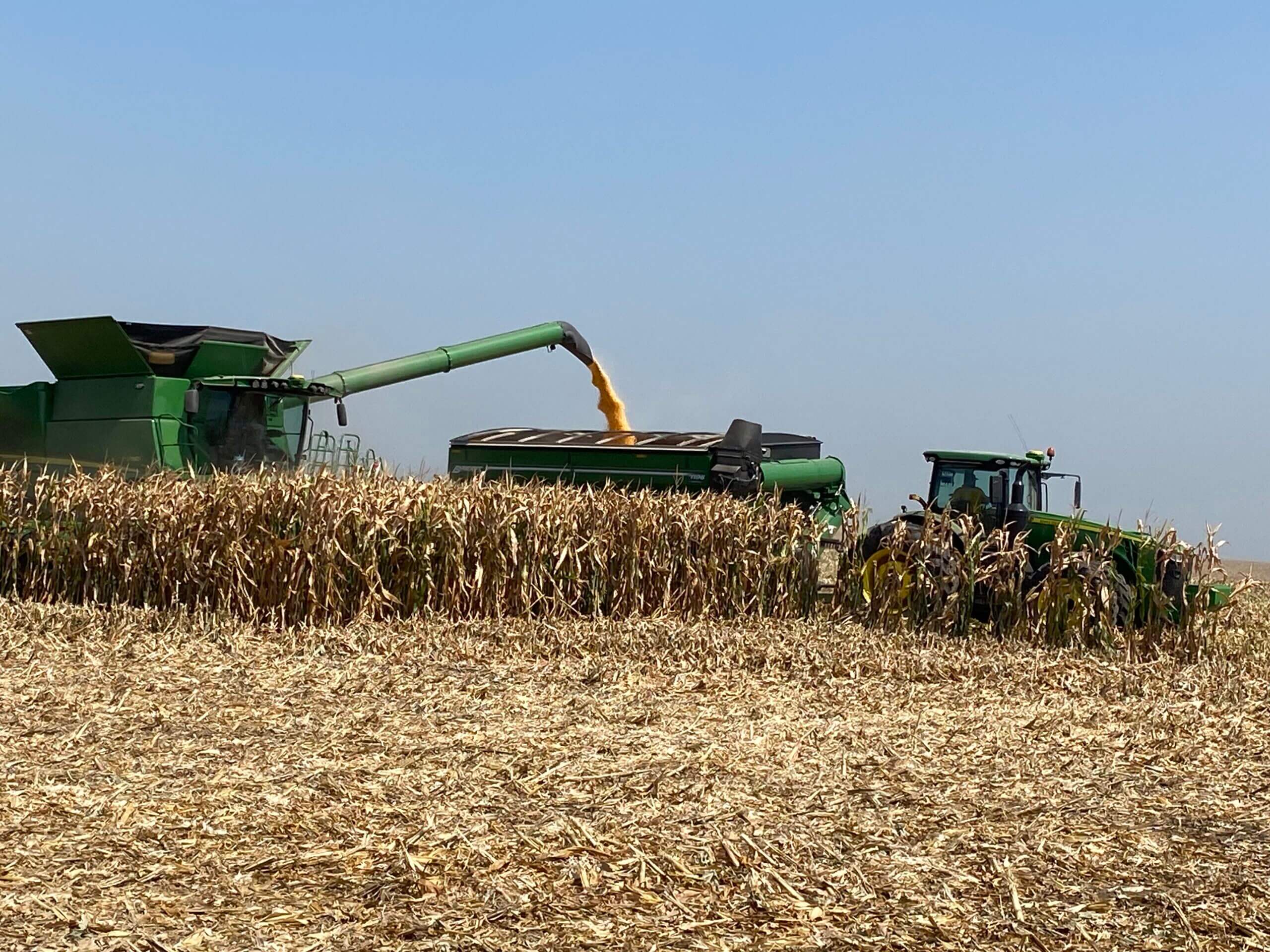
This sweat-equity approach eliminates the financial barrier that locks most gun owners out of prime duck country. A landowner values a worker who shows commitment. You combine. You bail hay. You move equipment. By October, when pintails hit the water, that farmer knows you're serious—not another hunter shopping for weekend access.
Why It Matters for Gun Owners
Waterfowl hunters face a rigged choice: pay $500–$2,000+ annually per lease, or compete for slots on crowded public refuges. Sweat equity collapses that false binary.
Ground knowledge matters more than paper access. Work the property during harvest and you learn where water pools after rain. You identify hedgerows holding pintails. You see which ditches funnel birds at dawn. You understand the terrain's actual rhythm—information no lease contract provides.
Gun owners in agricultural zones (Midwest, Great Plains, Mid-Atlantic, Upper South) can execute this strategy immediately. Start with neighbors. Contact local farm operations. Post on county agricultural pages. Landowners need seasonal labor. You need access. The math is clean.
Physical commitment creates reciprocal relationships that outlast transactional agreements. A lease ends when the check bounces. A working partnership can span decades. That stability matters when regulatory pressure—refuge restrictions, crowd limits, coastal closures—squeezes public hunting options annually.
Background: Why Landowners Respect Work Over Rent
Traditional lease hunting assumes a simple transaction: money exchanges for access. The relationship is commercial. The hunter is a customer. The landowner extracts value and moves on to the next applicant.
Harvest work inverts that dynamic. The hunter and landowner are briefly part of the same operation. You see each other during dawn combines. You help repair equipment. You understand the farm's actual economics and the work's real difficulty. That shared experience builds credibility.
Landowners also gain security through work-based relationships. A hunter who spent August bailing hay is unlikely to trash the property or create liability issues. Reputation matters. Word spreads through agricultural networks. Reliable workers get offered access again. Irresponsible hunters get blacklisted across county lines.
Federal and state hunting regulations haven't caught up to this reality. Access remains either paid or highly competitive. Private land is the only buffer against increasing public-land restrictions and refuge closures.
DownRange Bottom Line
Second Amendment freedoms include land access. Public waterfowl hunting shrinks every season. Private properties remain the only reliable path to opening-day ducks.
Stop treating hunting access as a consumer transaction. Become a worker. Learn the ground. Build the relationship. In agricultural America, sweat equity is currency. A weekend's labor now delivers exclusive access for years. That's a trade every serious waterfowl gun owner should make.
Start this month. Contact local farms. Offer your back. Your shotgun will thank you.