One Rifle Cannot Hunt Every Deer Effectively
Jim Carmichel, Outdoor Life's former shooting editor, built his reputation on a principle that challenges casual hunters: serious deer work demands multiple rifles. His personal arsenal spans decades of field experience across varied terrain, proving that a single gun optimized for 200-yard open country fails spectacularly in 50-yard timber. Carmichel's framework rejects the minimalist myth and addresses real hunting physics.
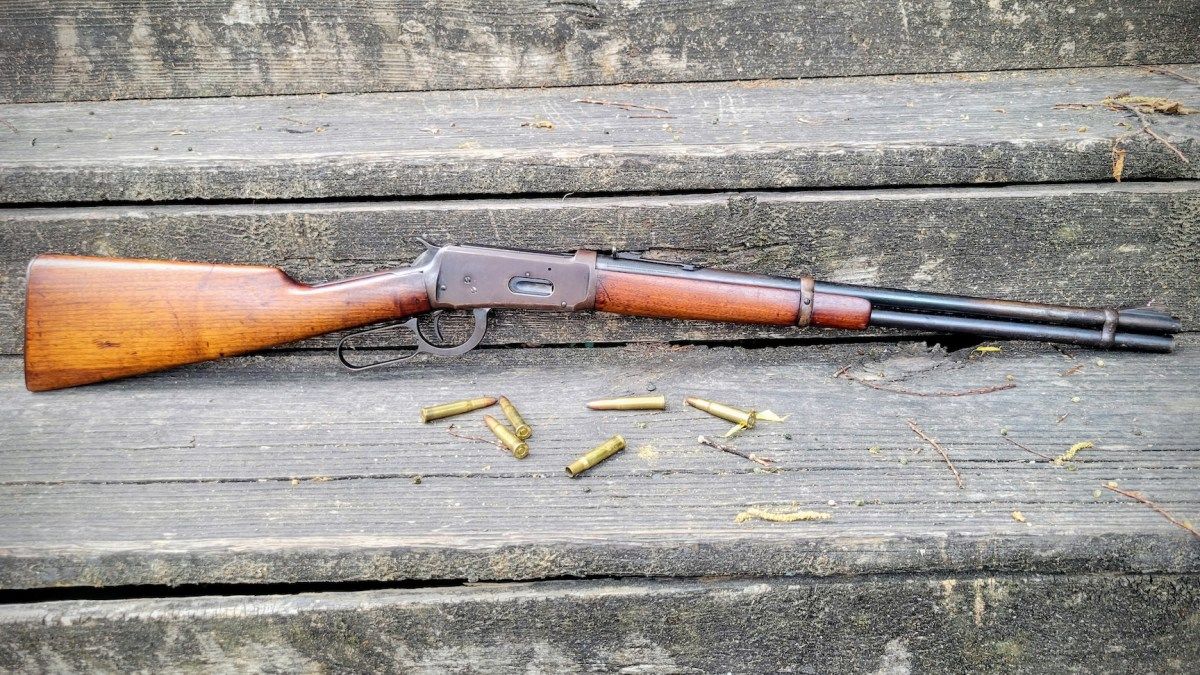
Each rifle in his rotation solves a specific problem. A .308 Winchester handles extended-range shots in open terrain where wind reading and precision matter most. A .30-30 lever-gun excels in thick brush where snap decisions happen at arm's length. A .223 serves predator control when deer hunting transitions to coyote season. Caliber choice, ergonomics, scope mounting height, and stock design shift fundamentally based on actual hunting conditions, not marketing copy.
Why It Matters for Gun Owners
Deer hunters face constant pressure to justify multiple rifles. Colleagues ask why you need three or four when "one good rifle" should suffice. Carmichel's approach validates what experienced shooters already know: different platforms solve different problems, and pretending otherwise costs money in failed hunts and poor field performance.
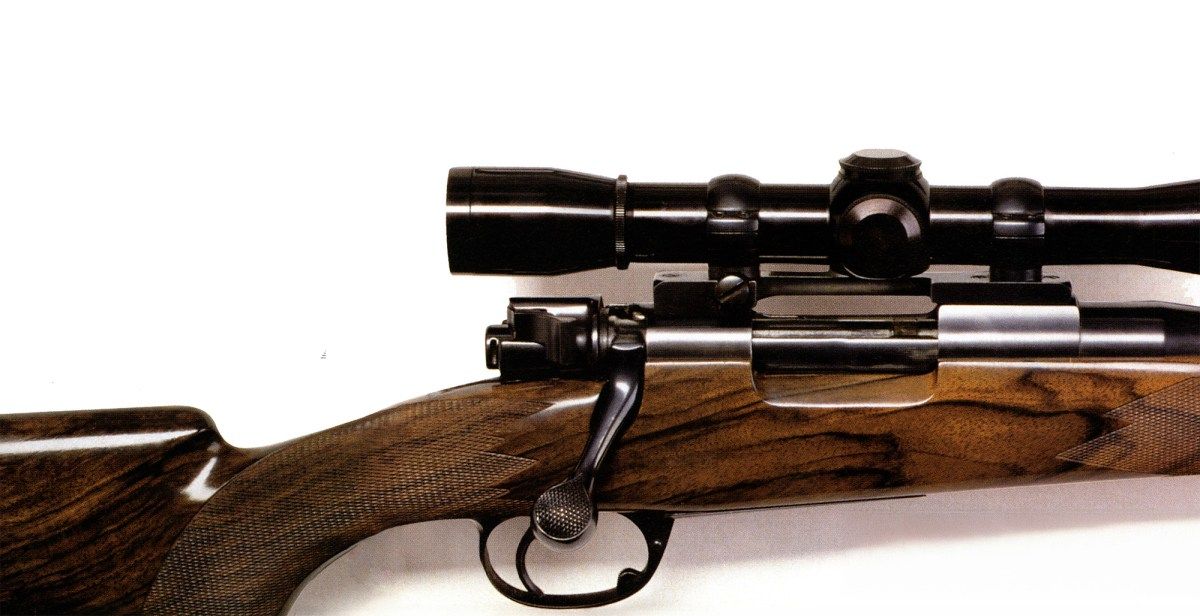
A rifle built for 300-yard prairie shots carries different ergonomics than one designed for 60-yard swamp work. The open-country rifle demands a higher scope mount for sight picture over a heavy barrel. The brush gun needs quick handling and points naturally at moving targets. Their ballistics diverge—the prairie gun sacrifices close-range performance for velocity consistency downrange. The brush gun trades trajectory for instant energy delivery.
Carmichel's philosophy prevents wasted acquisition dollars. Instead of buying on aesthetics or hype, hunters define their primary hunting scenario first, then select accordingly. Building a second rifle for different terrain becomes a strategic decision backed by physics, not gear lust. His framework applies whether you're acquiring your first rifle or your fifth.
Understanding how different platforms perform also prevents field failures when conditions demand quick adaptation. A hunter who knows his rifles' actual capabilities makes better ethical decisions about shot acceptance. Knowing your .30-30's effective range prevents overstressing a cartridge designed for closer work. Recognizing your .308's accuracy potential prevents taking marginal shots that should be passed.
Background on Carmichel's Arsenal
Carmichel's selections reflect historical context and practical lessons from actual hunts. His personal collection showcases rifles that proved themselves across multiple seasons and varied conditions. Each gun carries a story tied to specific terrain, distance challenges, and quarry behavior he encountered.
This approach mirrors how professional hunters and military marksmen operate. They maintain rifle systems optimized for specific missions because mission-specific design outperforms compromise platforms every time. A precision rifle excels at distance but fails in close quarters. A tactical rifle handles multiple scenarios but sacrifices specialization advantages. Accepting this reality builds better decision-making.
DownRange Bottom Line
The gun industry produces hundreds of rifle variants because one-size-fits-all doesn't exist in real hunting. Manufacturers understand what Carmichel teaches: different hunts demand different tools. Building an arsenal around specific scenarios beats endlessly tweaking one rifle hoping it somehow performs everywhere.
Serious hunters should define their primary hunting environment first, select the platform that dominates there, then strategically add rifles for secondary scenarios. This approach maximizes field performance, improves ethical shot-making, and prevents wasted money on ill-suited acquisitions. Carmichel's multi-rifle philosophy remains the thinking shooter's answer to realistic hunting demands.