Harris Abandons Gun-Owner Shield, Embraces Explicit Gun Control Messaging
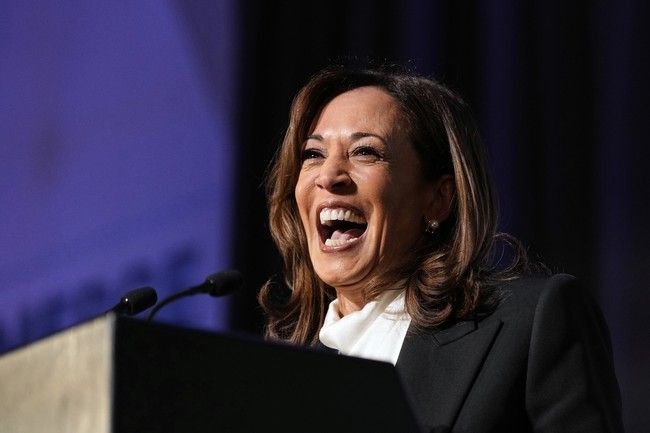
Kamala Harris is building her second presidential campaign on direct anti-gun advocacy rather than the defensive posturing that defined 2024. She's ditching the personal gun-owner claim that failed to protect her from criticism over her California record and instead leading with explicit calls for magazine restrictions, semi-automatic bans, and mandatory buyback programs. This shift signals Harris believes Democratic primary voters care more about gun control than defending her inconsistencies on Second Amendment issues.
The strategic change reflects hard political math. Her 2024 gun-owner gambit—designed to deflect from her tenure as California attorney general and senator—fell flat. Zero electoral votes and forced withdrawal later, Harris is returning with no pretense. She's running on the California record itself, not hiding from it.
Why It Matters for Gun Owners
This matters because Harris is signaling her actual policy intentions without the political cover she attempted last cycle. Gun owners facing a potential Harris presidency shouldn't expect compromise or nuance. They should expect the policies she actually championed: magazine capacity limits, assault weapon bans, and mandatory confiscation programs. She already proved she'd pursue these as California's attorney general and senator. Now she's leading with them as her campaign platform.
Swing-state gun owners face the clearest stakes. Harris's federal authority would directly threaten current ownership and future purchases through executive action and congressional pushes. Magazine-fed rifles, standard-capacity magazines, and common hunting firearms would all face restrictions modeled on her California experience. Her willingness to abandon the gun-owner deflection suggests she's confident enough in her base that she doesn't need to appeal to gun-owning voters anymore.
The messaging shift also tells you Harris views gun restrictions as a vote-getter in her party, not a liability. That's a fundamental change from 2024, when her campaign team apparently thought she needed political cover. Now they're betting the opposite: that leading with gun control wins primaries and general elections alike.
Background on Harris's Gun Record
Harris's California record speaks for itself. As attorney general (2011-2017), she defended the state's assault weapon ban in court. As senator (2017-2021), she co-sponsored Bernie Sanders' mandatory buyback bill and called for executive orders on gun control. She also pushed magazine capacity restrictions and supported red-flag laws before they became Democratic orthodoxy.
During her 2024 run, Harris attempted to humanize herself on Second Amendment issues by claiming personal firearm ownership and framing herself as a gun-owner candidate. The tactic was transparent—designed to inoculate her against attack ads highlighting her actual record. It didn't work. She dropped out and was eventually replaced as the Democratic nominee.
DownRange Bottom Line
Harris's 2026 strategy change is less a pivot and more an admission. The gun-owner shield failed politically, so she's dropping it and running on her actual positions instead. Gun owners should take her at face value: she supports magazine limits, semi-automatic bans, and mandatory confiscation. Those aren't theoretical concerns or speculation—they're the policies she's built her career pushing. Swing-state voters and gun owners in Democratic-leaning areas need to understand the stakes clearly before voting.