Trump Administration Expands Firearm Export Deregulation to Include Suppressors
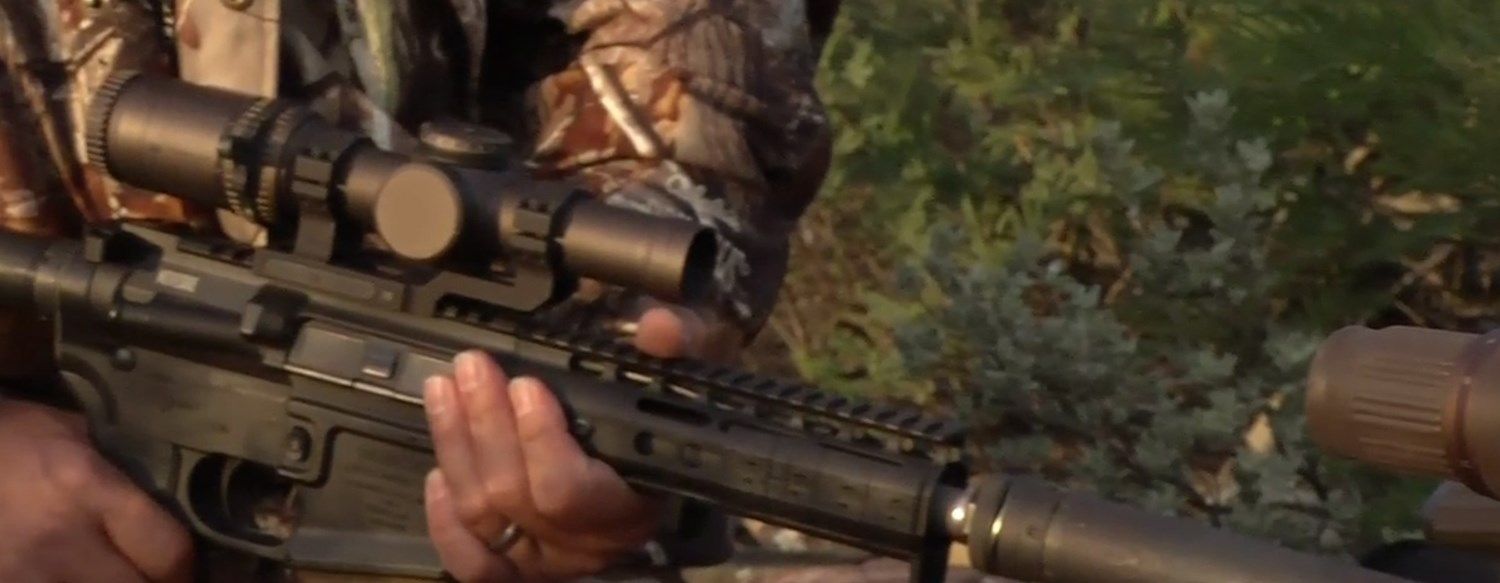
The Trump Administration has moved suppressors into its firearm export reform framework, building on a 2018 policy push the NRA backed publicly. The initiative targets export restrictions on firearms, ammunition, parts, and accessories—expanding federal licensing and permitting processes that have long restricted U.S. manufacturers from competing internationally. Suppressors, once tightly controlled under export rules, now fall within the scope of modernization efforts aimed at reducing bureaucratic friction.
Key Details
- The NRA filed formal comments supporting export reform in 2018, during the first Trump Administration.
- Suppressors are now included in the Administration's export modernization plan alongside firearms, ammunition, and component parts.
- The reform targets federal licensing and permitting mechanisms that currently restrict manufacturers from selling overseas.
- No specific timeline, regulatory numbers, or implementation dates were announced.
Why It Matters for Gun Owners
Suppressor export deregulation benefits American manufacturers by opening overseas markets and scaling domestic production, which typically lowers consumer prices and expands supply. U.S. suppressor makers—SilencerCo, Rugged, Dead Air, Sandman—have faced artificial export headwinds that handed market share to foreign competitors. Looser export rules mean higher manufacturing capacity, faster innovation cycles, and potentially lower retail prices for shooters buying domestically. For individual owners, this is indirect but real: manufacturers reinvest export margins into R&D and domestic distribution. The reform doesn't change NFA registration requirements for purchasers, but it does strengthen the suppressor industry economically.
DownRange Analysis
Export reform is smart industrial policy that doesn't hinge on the Second Amendment—it's trade law. The Biden Administration blocked this path; Trump is clearing it. Suppressors faced artificial export restrictions that had nothing to do with domestic ownership rights and everything to do with Cold War-era arms control theater. Removing those barriers is rational economics. The real question: does this survive bureaucratic pushback from State Department career staff who reflexively treat all firearms exports as geopolitical risk? Watch for implementation details in Federal Register notices. Gun owners don't get direct regulatory relief here, but industry strength matters for product availability and pricing long-term.