Florida's AG Won't Enforce Its Bump Stock Ban — The Law Still Stands
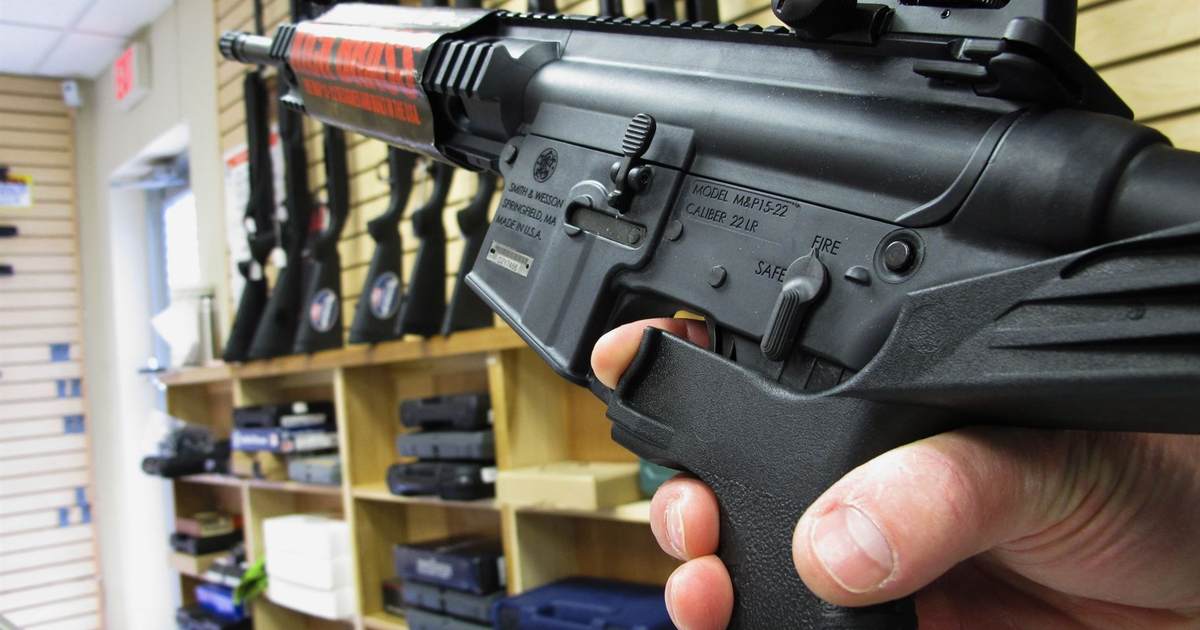
Florida Attorney General James Uthmeier says his office will not defend or enforce the state's 2018 ban on bump stocks, which he considers unconstitutional. The announcement drew fire from Jaclyn Corin, a Parkland shooting survivor and cofounder of March for Our Lives, who says the group will press Uthmeier to reverse course. The ban has not been repealed and no court has struck it down. Every state attorney in Florida still holds the authority to prosecute violations under the statute.
Key Details
The dispute centers on a state prohibition enacted after the February 2018 mass shooting at Marjory Stoneman Douglas High School in Parkland, where 17 students and staff members were killed. Uthmeier's office has taken the position that the ban violates the Second Amendment. Under his stance, the attorney general's office will not defend the law in court or pursue enforcement on its own.
- Who: Florida AG James Uthmeier, opposing the ban; Jaclyn Corin, March for Our Lives cofounder and Parkland survivor, criticizing him.
- What: Uthmeier will not enforce the state's bump stock ban, which took effect in 2018.
- Corin's objection: She asked, "What is the purpose for defending bump stocks so aggressively?" She added, "The point of a bump stock is to cause more harm faster."
- Reference event: A gunman fired 1,049 rounds from a hotel room during the October 2017 shooting at a Las Vegas music festival, using a bump stock on a semiautomatic rifle.
- Next step: March for Our Lives says it will pressure Uthmeier to change his position.
Background
Florida lawmakers passed the Marjory Stoneman Douglas High School Public Safety Act in 2018, and it included a prohibition on bump-fire stocks. Gov. Rick Scott signed the package that March. The ban followed a national debate that intensified after the October 1, 2017, Las Vegas shooting at the Route 91 Harvest festival, which killed 60 people and injured hundreds more. That attack is the event most often tied to bump stocks in public debate.
The federal picture changed in 2024. In Garland v. Cargill, the U.S. Supreme Court ruled 6-3 that a bump stock does not convert a semiautomatic rifle into a machinegun under federal law. The decision invalidated the Bureau of Alcohol, Tobacco, Firearms and Explosives' 2018 rule that had reclassified bump stocks as machineguns. That ruling left states to decide the issue on their own. Florida's ban remains one of the most prominent state-level prohibitions still in force.
Why It Matters for Gun Owners
Florida residents who own a bump stock face a legal gray area in practice. The statute still applies. A county state attorney who chooses to prosecute can bring charges regardless of what Tallahassee's top lawyer says. Owners should not assume the ban is dead because the attorney general has stopped defending it. Local prosecutors in some counties have a record of aggressive gun-related charging, and a firearm accessory case can start with a traffic stop, a search, or a tip.
The episode also reveals how political officials can shape enforcement without changing a single line of statute. Gun owners in other states should watch this closely. If one attorney general can decline to enforce a law he considers unconstitutional, the same logic could apply to other restrictions, including magazine limits, age rules, and permitting requirements. Florida is not the only state where the attorney general and the legislature disagree on gun policy. Owners in states with similar fights, including those with active litigation over accessory bans, should track how courts treat this kind of nonenforcement.
Owners who want to avoid trouble should keep their accessories out of the state's jurisdiction or consult a Florida firearms attorney before making any decision. Storing a bump stock in a locked case and keeping proof of purchase helps if questions arise, but it does not create a legal defense on its own.
DownRange Analysis
Uthmeier's position has a real constitutional argument behind it. Under New York State Rifle & Pistol Association v. Bruen, the government must show that a firearm restriction fits within the nation's historical tradition of firearm regulation. A ban on an accessory that does not change the rate of fire of a semiautomatic action is hard to justify under that test. Courts have not yet ruled on Florida's ban, so the question remains open. Corin's argument rests on the policy outcome of the Las Vegas attack, not on the text and history the Court now requires.
The market impact is modest. Bump stocks have been legally niche since the 2018 federal rule, and prices and demand have stayed well below their peak. A Florida nonenforcement stance will not change that, but it could support a broader rebound in demand for accessories that states have targeted.
What should a gun owner do right now? Know the statute, know your county's prosecutors, and do not treat a press statement as a repeal. Follow the litigation, because a court ruling is the only thing that truly changes Florida law. Until then, the ban is on the books.