Gun Control Activist Shot in DC Now Pushes 'Public Health Crisis' Message
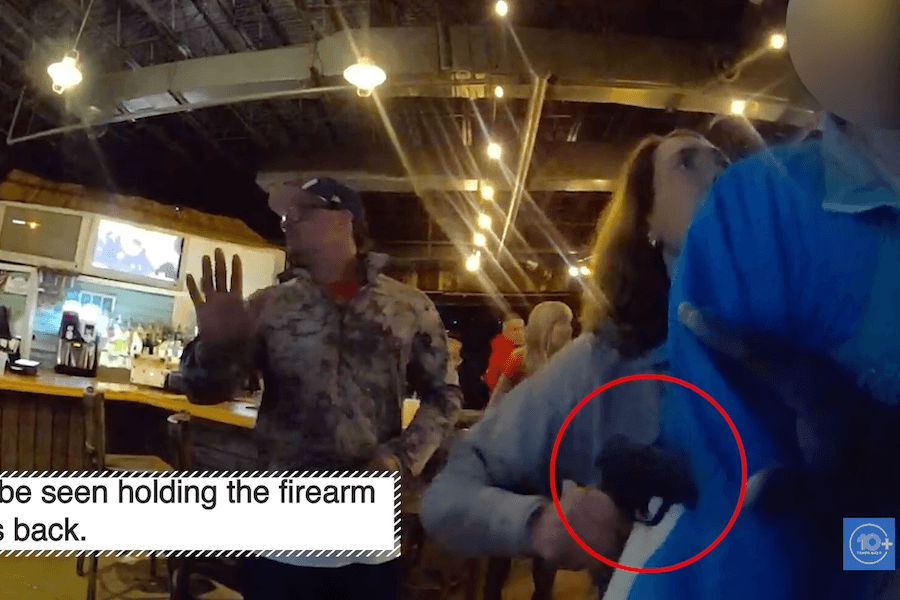
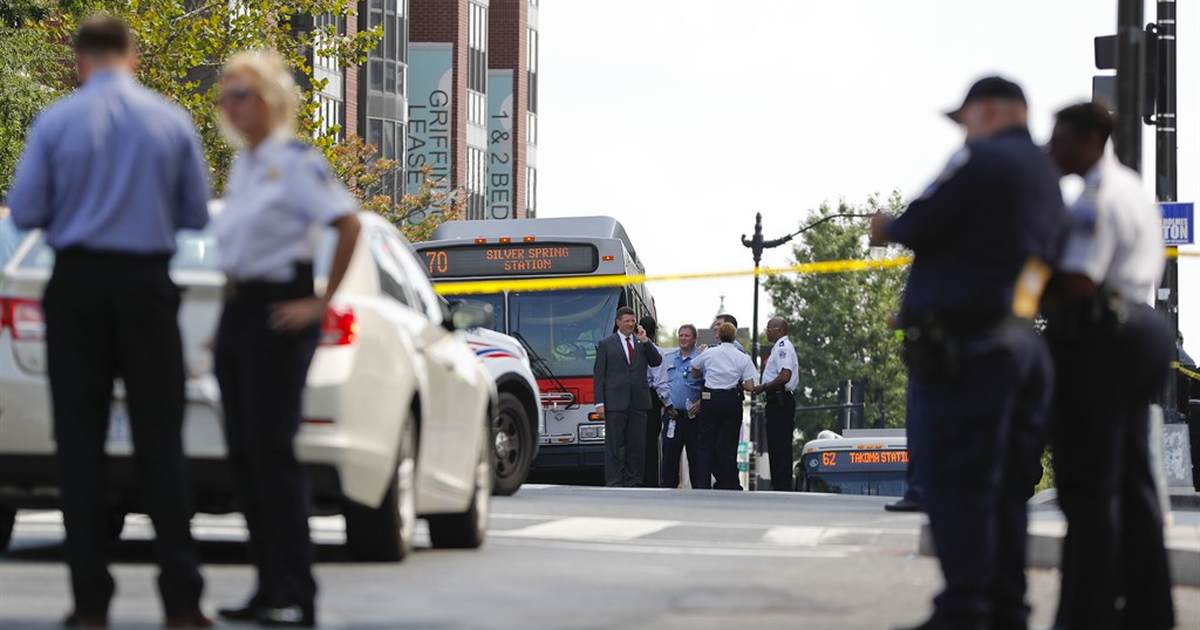
A Minnesota gun control activist is recovering from a gunshot wound to the face after a doctor opened fire outside a Washington, D.C. condo building last Thursday. Susan Thurston Hamerski had traveled to D.C. for her daughter's wedding. She stayed on a few extra days to watch her daughter's dog while the newlyweds were on their honeymoon. The morning walk with that dog put her in the shooter's path. She suffered extensive injuries. From her hospital bed, she is pushing a message that gun violence is a public health crisis. Her family friend Tina Wilcox says that message is the point of her recovery now.
Key Details
The facts that have been reported are few, and most come from the family's side. Here is what is on the record:
- Victim: Susan Thurston Hamerski, a gun control activist from Minnesota.
- Injury: Shot in the face by the attacker, with extensive injuries.
- Attacker: A doctor who fired on people outside the condo building where he lived in Washington, D.C.
- Timing: The shooting happened last Thursday, during a morning walk.
- Her message: Hamerski wrote from her hospital bed, "Gun control is a public health crisis."
- Family account: Wilcox says Hamerski wants people to get involved, contact lawmakers, and treat gun violence as a health issue, not a political one.
- Firearms: Reports indicate none of the guns found in the condo were registered in D.C.
Wilcox framed the shooting as a public health matter and rejected political, criminal justice, and individual-tragedy framings. Those are the words of the activist's supporters. They are not a policy proposal. No specific bill or regulation has been attached to the appeal in the reporting so far.
Background
Washington, D.C. already maintains some of the strictest firearm rules in the country. The District bans so-called assault weapons and large-capacity magazines. It requires firearm registration, imposes waiting periods, mandates universal background checks, and has a red flag law. Because the city has no gun stores, buyers face a waiting period that is tied to the lack of local dealers.
The Supreme Court has repeatedly reshaped this landscape. In District of Columbia v. Heller (2008), the Court struck down D.C.'s handgun ban and held that the Second Amendment protects an individual right to keep a handgun in the home. McDonald v. City of Chicago (2010) applied that right to the states. In New York State Rifle & Pistol Association v. Bruen (2022), the Court set a text-and-history test for modern gun laws, requiring governments to point to historical analogues for regulations that restrict armed carry in public.
Public health framing is not new. Gun violence has been labeled a public health issue by advocates and some officials for years. That label often leads to broader regulation of lawful owners rather than targeted action against violent offenders.
Why It Matters for Gun Owners
Anyone who travels to D.C. with a firearm needs to understand that the District is not a place where a lawful carry permit will save you. Registration rules, magazine limits, and the assault weapons ban apply to residents and visitors alike. Crossing from Virginia or Maryland with a gun in the car can turn into a felony if the paperwork and the firearm do not line up with D.C. law. Check the current code before you go, and do not assume federal transport protections cover every trip through the District.
For gun owners in Minnesota and other states, the bigger issue is the policy framework. A public health declaration is a door. Once a government calls gun ownership a health hazard, it can justify reporting requirements, storage mandates, or ownership limits aimed at everyone, not just offenders. Watch state health departments, city councils, and legislators who start using this language in their hearings and budget requests. Those are the places where the next restriction gets written.
Also watch the criminal case. Details about the shooter's eligibility to possess firearms, prior contact with police, and any warning signs will determine whether this incident is a failure of enforcement or a gap in existing law. Those facts should drive the debate, not the slogan.
DownRange Analysis
Hamerski was shot by a man who was already breaking the law. None of his guns were registered in D.C., which means he ignored the very rules the activist now wants expanded. That is the core problem with her message. Restrictive laws did not stop this attack, so the burden falls on her to explain which new rule would have.
Under Bruen, a new D.C. restriction on ordinary, law-abiding owners has to match this nation's historical tradition of firearm regulation. A public health label does not satisfy that test. A court asks whether the law is analogous to a historical restriction, not whether the policy sounds compassionate.
What should a gun owner do right now? Read the D.C. code before any trip. Document your state's firearm laws and know which local officials are using public health language. Contact your state representative when a bill starts borrowing that framing. Support the litigation that puts the District's rules before the courts. And keep the focus on the shooter, because the questions about eligibility and warning signs are where real answers live.