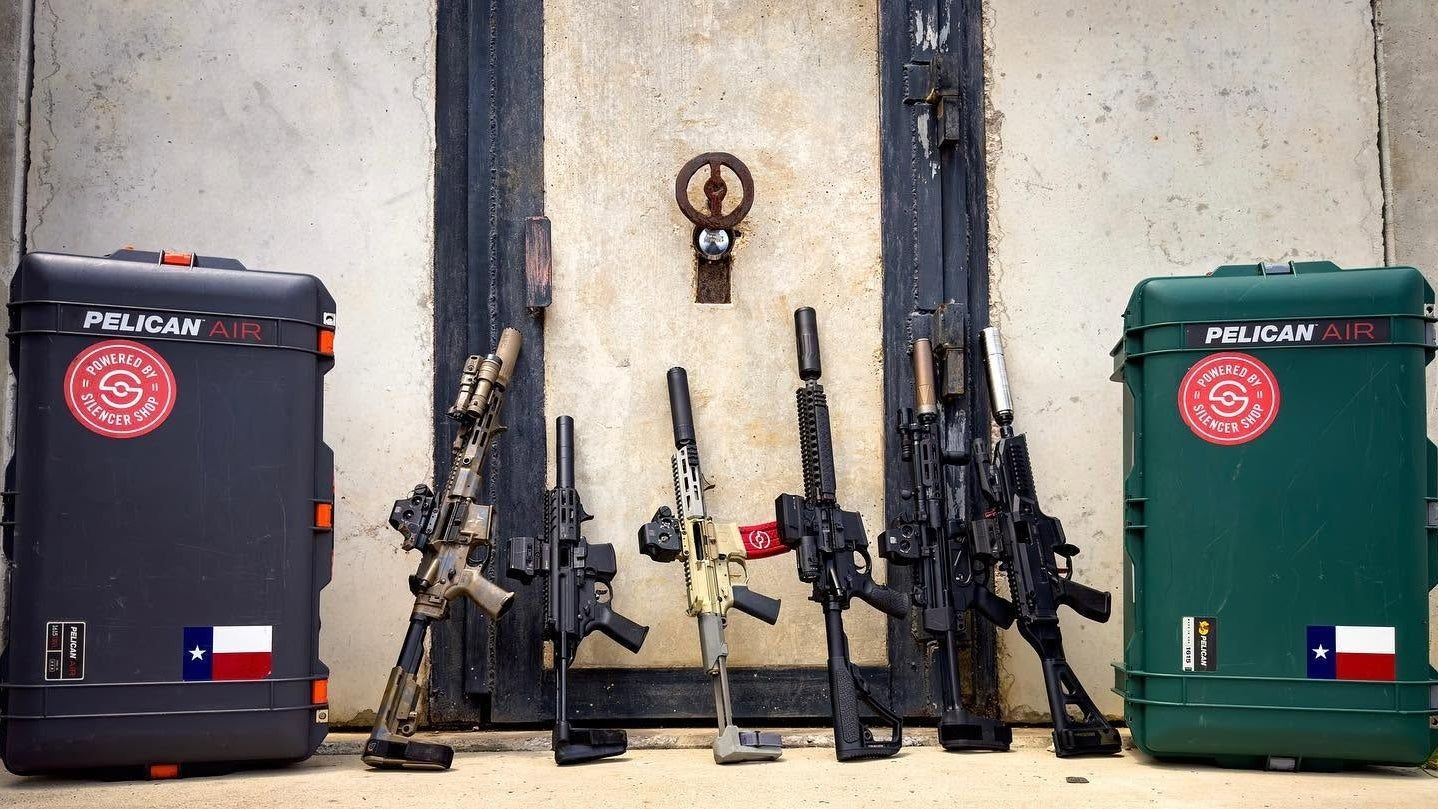
ATF Rules Vary by State: Your Suppressors and SBRs Need Different Travel Plans
NFA items don't cross state lines under one set of rules. Suppressors, short-barrel rifles, and other registered NFA weapons each have distinct federal and state requirements that gun owners must follow before traveling. Violating these rules results in federal felonies—not misdemeanors.
The ATF treats each NFA item category separately. A suppressor legal in your home state may be banned outright in the state you're driving through. Short-barrel rifles face different restrictions than AOWs or machine guns. Most gun owners traveling with NFA items get this wrong.
Why It Matters for Gun Owners
You cannot simply throw registered NFA items in your truck and cross state lines. Federal law requires ATF Form 5320.20 approval to transport NFA firearms across state boundaries. State-level bans create additional legal hazards. Crossing into California, New York, or Illinois with certain NFA items means federal prosecution—even if you're just passing through.
For suppressors specifically: many states ban them outright. Your registered suppressor becomes contraband the moment you enter those states. The ATF won't protect you. Federal law doesn't override state bans. You face up to 10 years in prison and $250,000 in fines for transporting a suppressor through banned states.
Short-barrel rifles present similar problems. Some states restrict barrel length below federal minimums. Others ban the configuration entirely. Even states allowing SBRs may require additional state-level registration before you transport them across state lines.
Machine guns demand even stricter compliance. Most states prohibit civilian ownership. Transporting a registered pre-1986 machine gun across state lines requires written ATF approval on Form 5320.20. Without it, you commit a federal felony. The ATF denies most transport requests anyway.
For active-duty military and law enforcement, different rules apply—but you still need advance approval. Civilian gun owners get no exceptions.
Background
The National Firearms Act of 1934 created federal registration and tax stamp requirements for NFA items. The law predates modern interstate commerce and assumes most Americans stay put. The ATF later created Form 5320.20 to manage the few exceptions.
The process is straightforward but slow. You submit Form 5320.20 to your local ATF field office 30 days before travel. The ATF must approve your request in writing. Approval only covers the specific route, dates, and destination you list. Deviating from your approved plan violates federal law.
States have piled on additional restrictions since 1934. Some banned suppressors entirely. Others prohibited SBRs. A few states permit certain NFA items but require redundant state registration. You need federal approval and state approval—often from multiple states if you're crossing through restricted jurisdictions.
The ATF's position is clear: state bans supersede federal registration. A registered, tax-stamped suppressor becomes an illegal weapon in banned states. The registration means nothing in California. It means nothing in New York. Your Form 4 approval letter offers zero protection against state law enforcement.
DownRange Bottom Line
Never assume your NFA items are legal to transport across state lines. Call your local ATF field office 60 days before travel. Submit Form 5320.20. Verify the travel route doesn't cross banned states. Check state laws for every state you'll enter. Keep all approval letters with you during travel.
When in doubt, leave your NFA items home. A suppressor isn't worth a 10-year federal sentence. Cross-state transport isn't worth the risk. Store NFA items in your home state and keep them there until you're absolutely certain you've cleared every legal hurdle across multiple jurisdictions.