XM177E2-Inspired CAR-15 Build Brings MACV-SOG Vietnam Classic Current
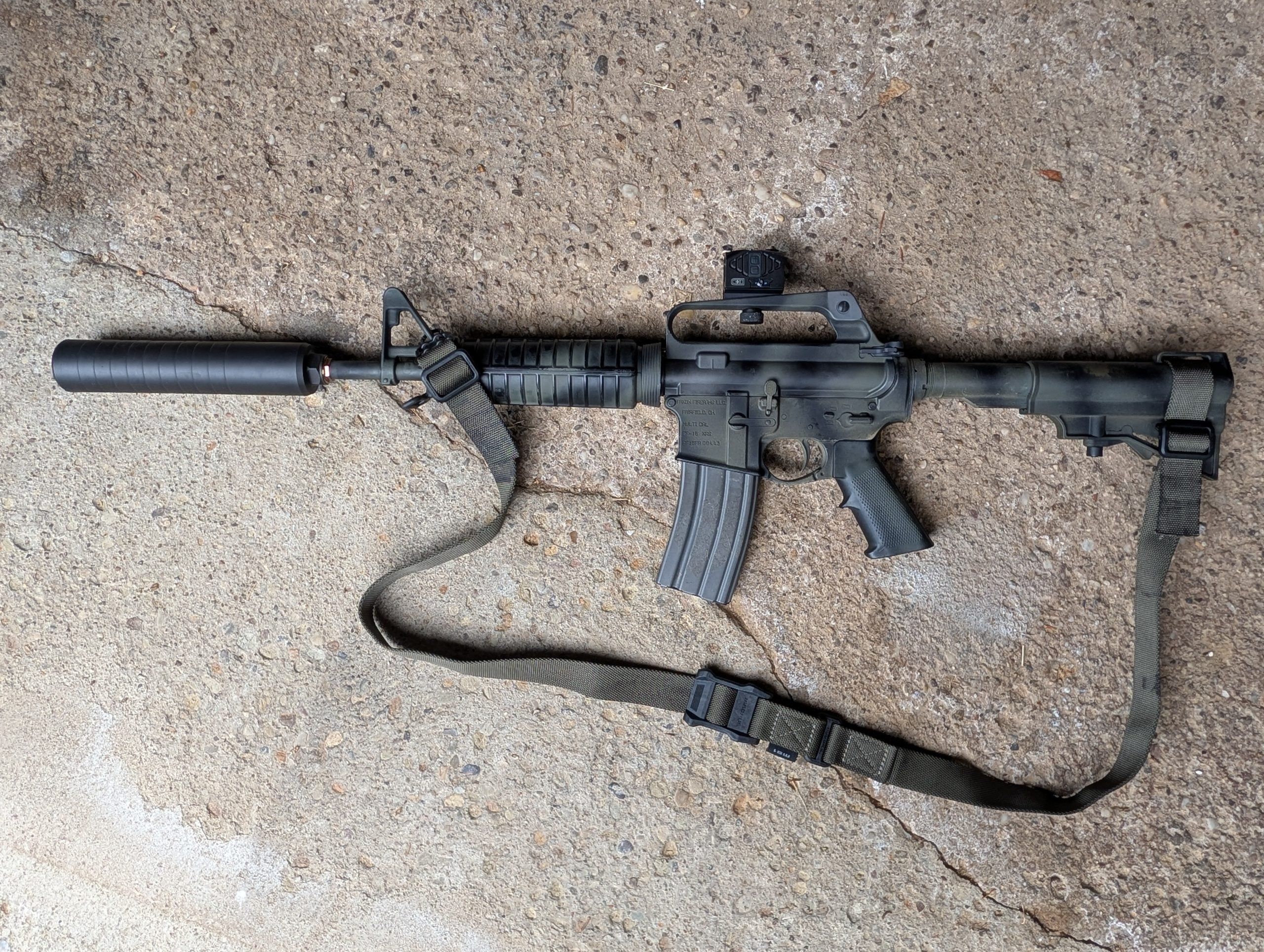
A modern CAR-15 build resurrects the short-barrel rifle that defined MACV-SOG operations behind enemy lines during Vietnam. This XM177E2-inspired platform maintains the original's compact footprint while incorporating upgrades that deliver superior accuracy and reliability for today's shooters.
The CAR-15 earned respect through hard use. MACV-SOG teams carried these rifles on deep penetration missions where mission weight and maneuverability meant survival. The short profile cleared tight jungle vegetation. The minimal sight radius forced shooters to master fundamentals. That heritage matters to gun owners who value proven designs.
Why It Matters for Gun Owners
Modern CAR-15 builds offer daily carriers something Vietnam operators never had: reliability upgrades without sacrificing the original's character. This isn't nostalgia for its own sake. The platform's ergonomics, controls, and handling dynamics work whether you're clearing buildings or running a defensive carbine course.
Short-barrel rifles face renewed scrutiny under federal regulation. Building or maintaining a CAR-15 clone now—rather than years from now—makes practical sense. These rifles remain legal under current law and offer genuine utility at standard carbine distances.
The XM177E2 design specifically appeals to shooters who reject modern bloat. Modular rifles dominate today's market. A purpose-built short rifle eliminates unnecessary parts. The CAR-15 forces intentional decisions about every component. Weight stays reasonable. Sight picture stays manageable. Ammunition consumption stays predictable.
For defensive carriers, the CAR-15's velocity band sits between pistol-caliber carbines and full-length 16-inch rifles. A quality 14.5-inch or shorter barrel in 5.56 NATO delivers adequate velocity for barrier penetration while managing recoil in tight spaces. This middle ground appeals to serious gun owners who train regularly.
Background
The CAR-15 emerged from Eugene Stoner's original M16 design modifications. U.S. Air Force and Army special operations embraced shortened versions immediately. MACV-SOG teams, the most elite and classified special operations unit of Vietnam, standardized XM177 and XM177E2 variants across their reconnaissance teams.
The original XM177E2 featured a 10.5-inch barrel with a moderator (early suppressor) attached. The moderator added length without adding barrel length—a critical distinction for law enforcement and military users under weapon length restrictions. Modern builders replicate this aesthetic while choosing modern suppressors and components.
Modern CAR-15 builders typically select 14.5-inch or 11.5-inch barrels, then pin-and-weld muzzle devices to comply with federal short-barrel rifle regulations. Quality manufacturers like Daniel Defense, Colt, and Noveske offer factory CAR-15 variants. Builders also construct custom rifles using upper receivers from reputable manufacturers.
Component selection shapes performance. Lightweight bolt carriers reduce recoil. Quality triggers improve accuracy without compromising reliability. Proper gas tube length ensures reliability with both suppressed and unsuppressed fire. Vietnam operators never had these options—modern shooters should demand them.
DownRange Bottom Line
The CAR-15 represents honest rifle design. No tactical pretense. No unnecessary rails or controls. Just a short, capable rifle that handles fast in real-world scenarios. Modern builds honor that legacy while delivering reliability Vietnam operators could only dream about.
Gun owners considering a defensive carbine should evaluate CAR-15 platforms seriously. The platform works. It has worked under the most demanding conditions humans could devise. Modern versions work better. That's not nostalgia—that's tactical reality.