Third Circuit Kills New Jersey's AWB; State Refuses to Back Down
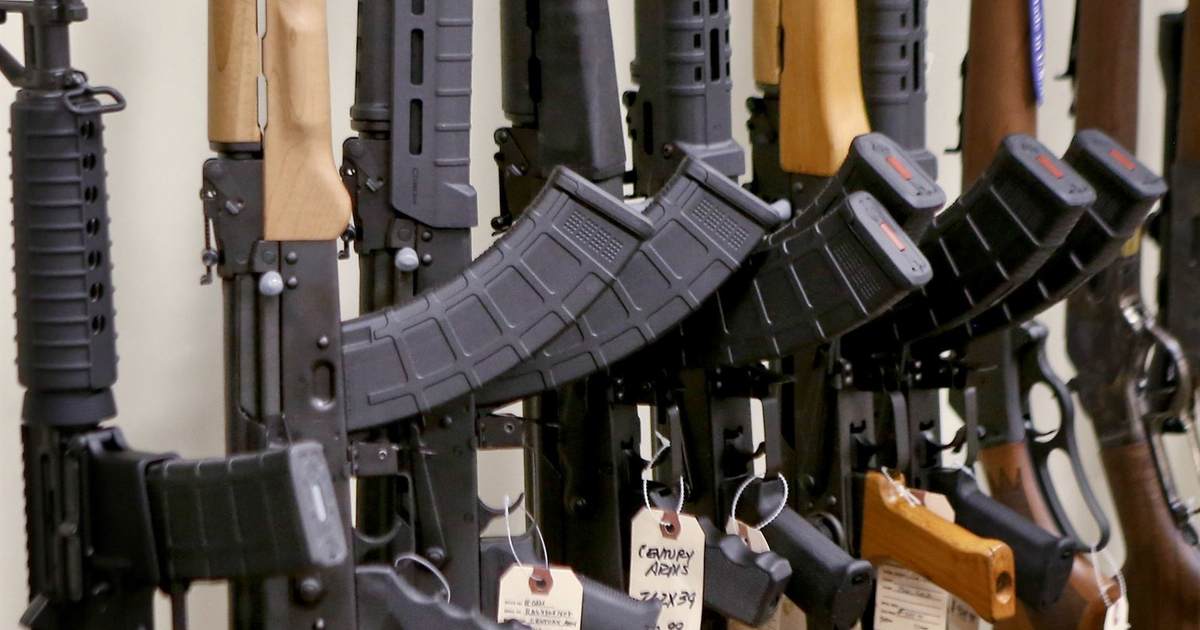
The Third Circuit Court of Appeals struck down New Jersey's semi-automatic rifle and magazine capacity restrictions, but state leadership immediately announced plans to continue fighting the ruling. New Jersey's Attorney General and Senate President labeled the decision "misguided" and committed to keeping the bans in place despite the court's determination that the restrictions violated the Second Amendment.
Key Details
- The Third Circuit ruled New Jersey's semi-auto rifle ban and magazine restrictions unconstitutional
- State leaders rejected the decision and pledged to maintain enforcement
- The ruling directly challenges New Jersey's aggressive gun control posture, which includes magazine capacity limits and platform-based rifle definitions
Why It Matters for Gun Owners
New Jersey gun owners face an uncertain interim. A federal appeals court said the state's laws violate constitutional rights, but elected officials refuse compliance. This creates a practical legal gray zone where enforcement could continue despite a court order. Gun owners in New Jersey should anticipate potential appeals to the Supreme Court or legislative attempts to rewrite the bans in language the state hopes will survive scrutiny. For now, carry and ownership decisions in New Jersey remain legally contested territory. Litigation timelines matter here—appeals can drag cases forward for years, leaving restrictions nominally in place even after judicial rejection.
DownRange Analysis
This standoff exposes the gap between court rulings and political will. The Third Circuit applied New York State Rifle & Pistol Association v. Bruen, the Supreme Court's 2022 standard requiring historical grounding for gun restrictions. New Jersey's response—defiant rather than compliant—signals the state intends to test whether higher courts will order enforcement of the ruling. Whether New Jersey pursues Supreme Court review or legislative workarounds, expect this fight to extend beyond 2026. Gun owners should monitor case docket numbers and appeal schedules. A state that openly refuses a federal court decision is telegraphing it will spend political capital and taxpayer money on litigation rather than accept the loss.