NRA Warns States: Regulations Designed to Kill Small Gun Shops
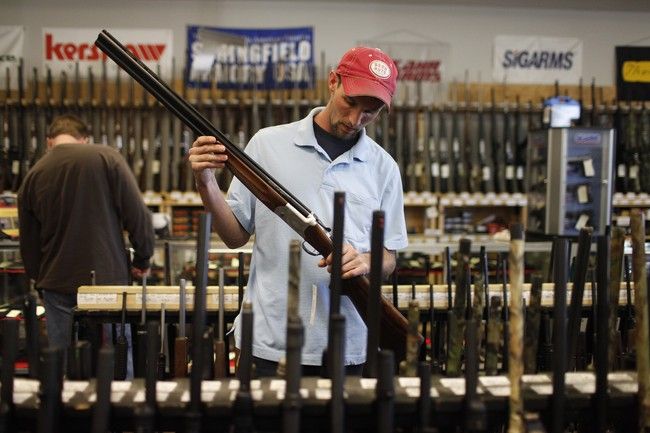
The National Rifle Association has publicly attacked state and local regulatory schemes that systematically disadvantage independent gun retailers in favor of larger corporate chains. The pattern mirrors rent-seeking behavior common across industries: lobby for rules that increase compliance costs, watch smaller competitors fold under the financial weight, and consolidate market share. Gun dealers face the added pressure of anti-gun jurisdictions weaponizing licensing, inventory, and operational requirements as de facto shutdowns.
Key Details
Regulatory burdens on gun stores include:
- Storage and security mandates that require expensive infrastructure upgrades
- Licensing fees and renewal costs that scale unfairly against small operations
- Inventory restrictions that limit product availability and competitiveness
- Ammunition tracking and reporting requirements that consume labor hours
- Municipal zoning restrictions that prevent new shop locations or force closures
Large retailers—many with minimal firearms revenue—absorb these costs easily. Independent shops, already operating on thin margins, cannot. The result: consolidation toward big-box retailers and corporate chains, reducing consumer choice and local market competition.
Why It Matters for Gun Owners
When independent gun shops close, you lose. Smaller retailers typically offer specialized knowledge, custom gunsmithing, local gunsmith relationships, and competitive pricing on niche products. They sponsor local shooting clubs and ranges. They know their communities and their customers by name. Big-box stores prioritize volume; they won't stock that 10mm ammo you want or spend time helping you find the right defensive load for your climate. Regulatory targeting of independent dealers in states like California, New York, and New Jersey has already collapsed small-shop ecosystems. Gun owners in those states now travel hours to find basic inventory or pay online shipping premiums. If your state hasn't yet weaponized dealer regulations, the time to fight back is now—not after your local shop closes.
DownRange Analysis
This is textbook regulatory capture designed to look legitimate. A city council passes a zoning ordinance that sounds neutral but effectively bans gun shops from commercial districts. A state imposes storage requirements so expensive only corporate chains can afford compliance. These rules don't ban guns; they just make selling them impossibly costly for anyone without a Fortune 500 balance sheet. The Bruen framework doesn't directly address regulatory burden tactics, but continued litigation should expose schemes that suppress commerce in constitutionally protected items. Gun owners should demand transparency: How many independent dealers has your state lost in the last five years? How many closures followed new regulations? Support your local dealer now, because the next regulation could be the last straw.