NSSF Declares Microstamping Dead on Arrival
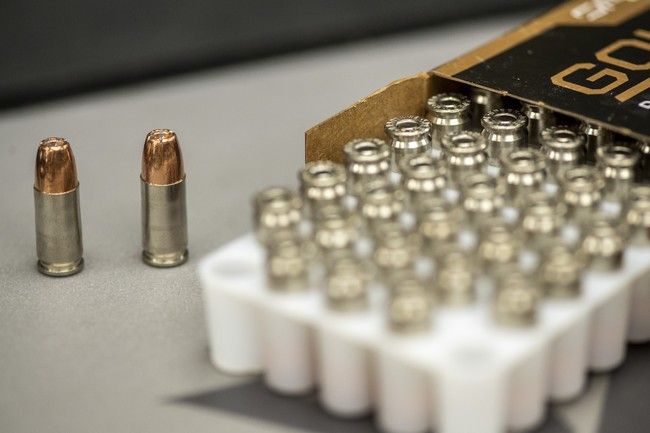
The National Shooting Sports Foundation has publicly declared that the firearms industry should abandon microstamping as a viable firearm identification tool. The technology would require each gun to laser-etch a unique identifier onto the primer of every cartridge it fires, theoretically allowing law enforcement to trace discharged rounds back to the weapon. NSSF leadership argues the concept fails under elementary scrutiny and manufacturers waste resources pursuing it.
Key Details
- Microstamping proponents claim it creates crime-scene evidence by marking each fired round with a weapon-specific code
- The system requires precision etching of microscopic identifiers onto primer surfaces during firing—a mechanically fragile process prone to failure, fouling, and degradation
- Anyone with basic firearms knowledge recognizes fatal flaws: casings separate from weapons, markings wear or fail to transfer, criminals discard brass, and the technology requires pristine ammunition and firing pin contact
- Anti-gun activists have pursued microstamping legislation despite these engineering realities
Why It Matters for Gun Owners
Microstamping represents a category of mandates that sound reasonable in committee but collapse under real-world application. Gun owners should recognize this push for what it is: a compliance burden masquerading as crime-fighting innovation. If California or other states succeed in codifying microstamping requirements, manufacturers either absorb massive R&D costs for a system that doesn't work or drop those markets entirely. Either way, you pay. NSSF's public stance signals the industry won't waste resources on solutions that fail basic physics—a position that protects market stability and prevents manufacturers from chasing legislative fantasies while neglecting actual product development.
DownRange Analysis
This NSSF statement matters because it's the industry closing the door on a Trojan horse regulation. Microstamping was always designed to create manufacturing liability and cost barriers, not solve crimes. The fact that NSSF now explicitly states manufacturers should stop pursuing it removes the last fig leaf of legitimacy from any politician trying to mandate it. If this technology returns in state legislation, you'll know it's purely regulatory theater—not a genuine attempt at effective law enforcement. Gun owners should use this clear-eyed industry position as ammunition in public comment periods whenever microstamping resurfaces.