NSSF Teams With ATF on Straw Purchase Crackdown Campaign
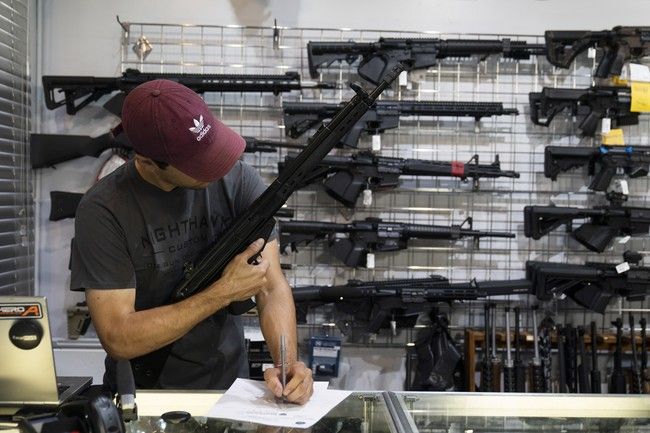
The National Shooting Sports Foundation announced a joint initiative with the ATF and Department of Justice aimed at reducing straw purchases. Straw buys—where a legally qualified buyer acquires firearms on behalf of someone prohibited from ownership—remain a federal crime, and industry groups are now aligned with law enforcement to publicize the risks and legal consequences.
Key Details
- NSSF, ATF, and DOJ are coordinating a public awareness campaign against straw purchasing
- Straw buys represent a fraction of overall gun crime but are frequently cited in policy discussions
- The campaign will emphasize criminal penalties for knowingly facilitating prohibited purchases
- No new legislation or enforcement mechanisms were announced alongside the initiative
Why It Matters for Gun Owners
Gun owners need to understand the gap between rhetoric and enforcement. While straw purchasing is genuinely illegal and federally prosecuted, the volume of actual cases remains small relative to the political mileage anti-gun groups extract from the issue. This NSSF-ATF partnership signals that industry is trying to claim credit for enforcement rather than fight it—a defensive posture. Practically: don't buy for anyone else, period. Don't accept payment to buy. Don't participate in group purchases where someone else pays your portion. These prosecutions carry federal penalties up to 10 years. The campaign's real value to gun owners is visibility; stricter interpretation and aggressive prosecution of straw purchases will follow messaging campaigns like this one.
DownRange Analysis
This partnership reflects a broader industry strategy: align with government enforcement on low-hanging fruit to appear reasonable while deflecting larger policy attacks. The math doesn't support straw purchases as a primary gun crime source, yet they'll continue weaponized in legislative rhetoric. NSSF's involvement buys no goodwill with restrictive-minded policymakers—it signals compliance. Gun owners should expect ATF messaging to intensify regardless of actual prosecution capacity. The real risk: normalized federal messaging creates precedent for expansive enforcement interpretation. Know the law cold. Don't cross it. And assume any campaign like this precedes either tighter ATF guidance or proposed legislation.