Captive Piston Ammo Could Hit U.S. Gun Counters Now That the Tax Is Zero
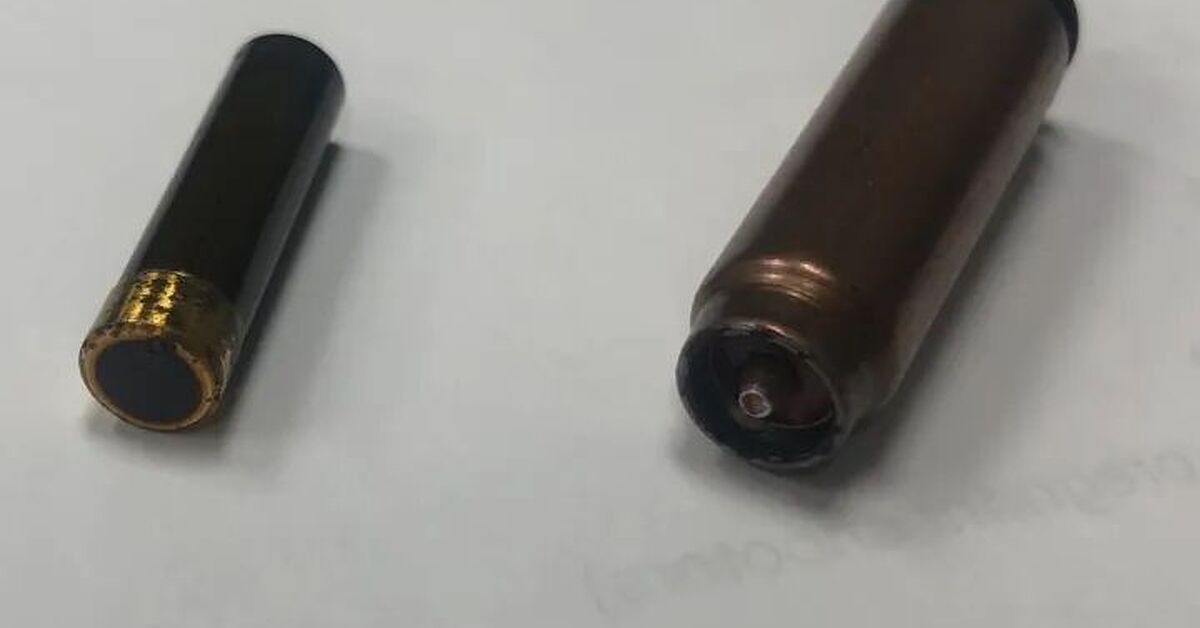
Captive piston ammunition could finally reach American shooters because the NFA tax on suppressors dropped to zero on January 1. The Firearm Blog's Silencer Saturday column, published October 24, 2026, argues that the federal tax was the main barrier for years. Each captive piston cartridge traps propellant gas inside the case, so the shot stays quiet without a can on the muzzle. The column is an opinion piece sponsored by Yankee Hill Machine, and its author says it is not legal advice. The real question now is paperwork, not tax stamps, and that changes what a box of this ammo would cost you at the counter.
Key Details
The column pulls several specific facts into one argument. Here is what matters:
- A captive piston cartridge uses an internal piston that drives the bullet out and then seals the gas inside the case.
- J.E. Bissell received a patent in 1902 that showed the design in a lever-action rifle. That predates the Maxim silencer patent of 1909.
- The Soviet PSS pistol fired the SP-4 captive piston cartridge, and it remains the most famous example.
- The ATF classified each individual cartridge as a silencer. That meant a $200 tax stamp and a serial number on every round.
- The $200 tax dropped to $0 on January 1, 2026.
- The column argues that ATF no longer requires a Form 4 to transfer these cartridges, so they could sell over the counter on a Form 4473.
- Each cartridge still carries a serial number and still transfers as a firearm under the Gun Control Act. The standard background check still applies.
- One Form 4473 can cover multiple firearms, and a continuation form can add more lines. A 20-round box could, in theory, go through one transfer, but the dealer must log each serial number in and out.
- The column floats reloading or mailing spent cartridges back to the manufacturer for repacking.
- The author's example uses a .30-06 hunting rifle. A shooter could dump the magazine and load captive piston rounds to shoot quietly, then go back to standard ammo.
A reader comment challenged the reloading idea directly. The commenter pointed out that the propellant gas stays sealed inside the case, so the cartridge holds pressure from firing. The column does not answer that objection in detail.
Background
The National Firearms Act of 1934 placed suppressors, short-barreled rifles, and machine guns under federal registration and a $200 transfer tax. Congress set that $200 figure in 1934 and it stayed there for decades. The Gun Control Act of 1968 added the background check and Form 4473 framework that still governs retail sales. Suppressors have stayed on the NFA list ever since, which means every suppressor buyer has waited on a federal approval process for years.
Captive piston ammunition is an old idea that never went mainstream. The Soviet PSS pistol, developed for special operations forces during the Cold War, showed the design could work in a compact, quiet handgun. Its SP-4 cartridge made the technology practical, but American regulators treated the cartridge itself as the silencer. That classification is what made a domestic product so expensive to sell. Nobody built a commercial line for the U.S. market because each round carried the full NFA burden.
The One Big Beautiful Bill Act, signed in July 2025, cut the NFA transfer tax on suppressors and similar items to zero effective January 1, 2026. That removed the $200 stamp, but it did not remove the NFA classification itself. The column's core claim rests on that gap: the tax is gone, yet the cartridges still fall under federal firearm rules.
Why It Matters for Gun Owners
The change matters most to shooters who already own suppressors and want quiet options for hunting or range use. A captive piston round in a bolt-action rifle could give you a quiet shot without adding a can, a mount, or a barrel length change. That benefit only materializes if a manufacturer starts shipping product and a dealer agrees to carry it. Right now neither has happened at scale, so treat the column as a preview, not a purchase plan.
Expect the serial number to create real friction. Every round needs a logged serial, and your FFL will have to track each one. That means higher handling fees, longer wait times, and dealers who may decide the paperwork is not worth the margin. If you live in California, New York, or New Jersey, check your state's suppressor rules before you buy anything. Several states restrict suppressors outright, and state law may treat these cartridges the same way.
Do not try to reload these rounds at home. The sealed gas and internal piston require specialized tooling and clear manufacturer guidance. Reloading standard ammo is a common hobby, but captive piston cartridges are a different engineering problem. Save your receipts, keep your 4473 records, and wait for the manufacturer's instructions before you touch any of this.
DownRange Analysis
The tax change is real, but it solves only half the problem. Under Bruen, the Second Amendment question centers on whether a regulation fits the nation's historical tradition of arms regulation. The NFA framework for suppressors has survived challenges so far, and captive piston cartridges will inherit that legal posture. Nobody is going to win a Bruen argument over a pressure-sealed round that the government already classifies as a firearm. The fight that matters is over ATF's classification and whether the agency keeps treating each round as a serialized item.
Market-wise, the upside is narrow. A manufacturer needs enough volume to justify tooling and inventory, and dealers need a reason to log serial numbers for a niche product. Expect a slow rollout, premium pricing, and limited availability at first. Watch for a manufacturer to announce a retail product and a dealer network before you plan a purchase.
Right now, do three things. First, confirm your state's suppressor laws. Second, track any ATF classification letters or rule changes on captive piston cartridges. Third, skip the homemade reloading idea entirely. The column makes an interesting case, but gun owners should wait for a manufacturer to ship a product that the ATF has clearly classified.