New York Times Deploys Dual Coverage Against Pro-Gun Congressional Candidate
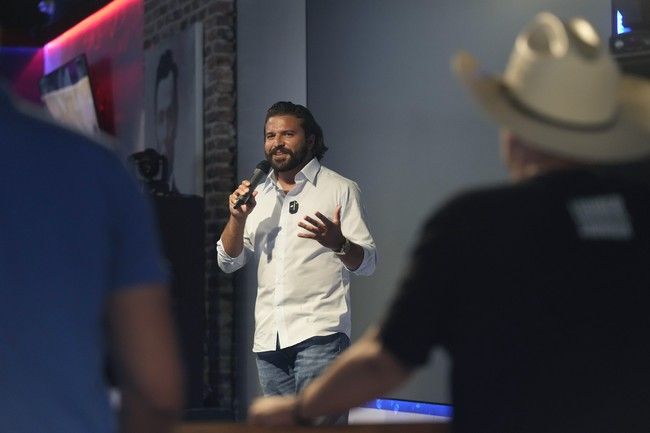
The New York Times ran simultaneous opinion and news pieces against Brandon Herrera, the Second Amendment influencer and congressional candidate. Michelle Goldberg's opinion column and a separate news investigation both attacked Herrera's past statements during his tenure as a prominent 2A voice. The coordinated timing signals editorial determination to derail his political ascent.
Goldberg's column dedicated full space to Herrera's campaign while the news section ran a longer investigation. Both pieces centered on statements Herrera made during his years as a public Second Amendment advocate. The dual-pronged approach compressed editorial firepower into a single reporting cycle.
Why It Matters for Gun Owners
Herrera's congressional run tests whether Second Amendment advocates can win federal office. His candidacy directly challenges the media narrative that pro-gun positions are electoral poison. The Times' coordinated coverage signals how legacy media will oppose gun-friendly candidates going forward.
Gun owners should understand the pattern: mainstream outlets will excavate old statements, strip remarks of context, and use news columns to amplify editorial hostility. Herrera faces excavation of past public comments. His response sets the template for future pro-gun candidates navigating hostile press environments.
This matters because media strategy shapes electoral viability. When outlets blur opinion and news reporting, they create false impressions of objective concern. Gun owners supporting Second Amendment candidates must recognize this tactic. The Times isn't reporting on Herrera—it's targeting him. The distinction determines whether pro-gun candidates survive media campaigns intact.
Herrera's ability to withstand or overcome coordinated coverage will influence how future pro-gun candidates approach media engagement. Will they engage directly or avoid interviews entirely? Will they pre-emptively address past statements or let media frame the narrative? These decisions ripple through the next generation of gun rights candidates.
Background: Herrera's Political Profile
Brandon Herrera built his platform on Second Amendment advocacy. His "Liberals in Guns" videos and firearms content attracted millions of followers across social media. His congressional campaign represents the first major political test of whether online gun rights personalities can translate digital influence into electoral success.
Herrera's prominence grew through technical firearms content and unfiltered commentary on gun rights. His willingness to speak directly about Second Amendment issues—without corporate restraint or mainstream media approval—made him a recognized voice in pro-gun circles. That same directness now provides ammunition for his critics.
The Times' coverage comes as Herrera actively campaigns for federal office. His candidacy threatens establishment assumptions about gun rights and electability. Traditional media outlets invested in gun control narratives treat pro-gun candidates as threats requiring active opposition.
DownRange Bottom Line
The New York Times deployed institutional power against a gun rights candidate. This isn't neutral reporting—it's opposition research packaged as journalism. Gun owners should expect similar attacks against future pro-gun candidates.
Herrera's merit as a candidate matters less than understanding how media institutions function as opponents of Second Amendment candidates. The Times blurred opinion and news reporting to create sustained, seemingly objective criticism. That strategy will repeat against other pro-gun politicians.
Gun owners need realistic expectations: legacy media will oppose Second Amendment candidates with all available tools. Coordinated coverage combining news and opinion, excavation of past statements, and decontextualization of remarks are standard tactics now. Pro-gun candidates must develop strategies to survive media campaigns. Herrera's response will inform whether future gun rights advocates can win despite institutional media opposition.