Odisha Police Seize 39 Guns, Abandon Extrajudicial Enforcement Model
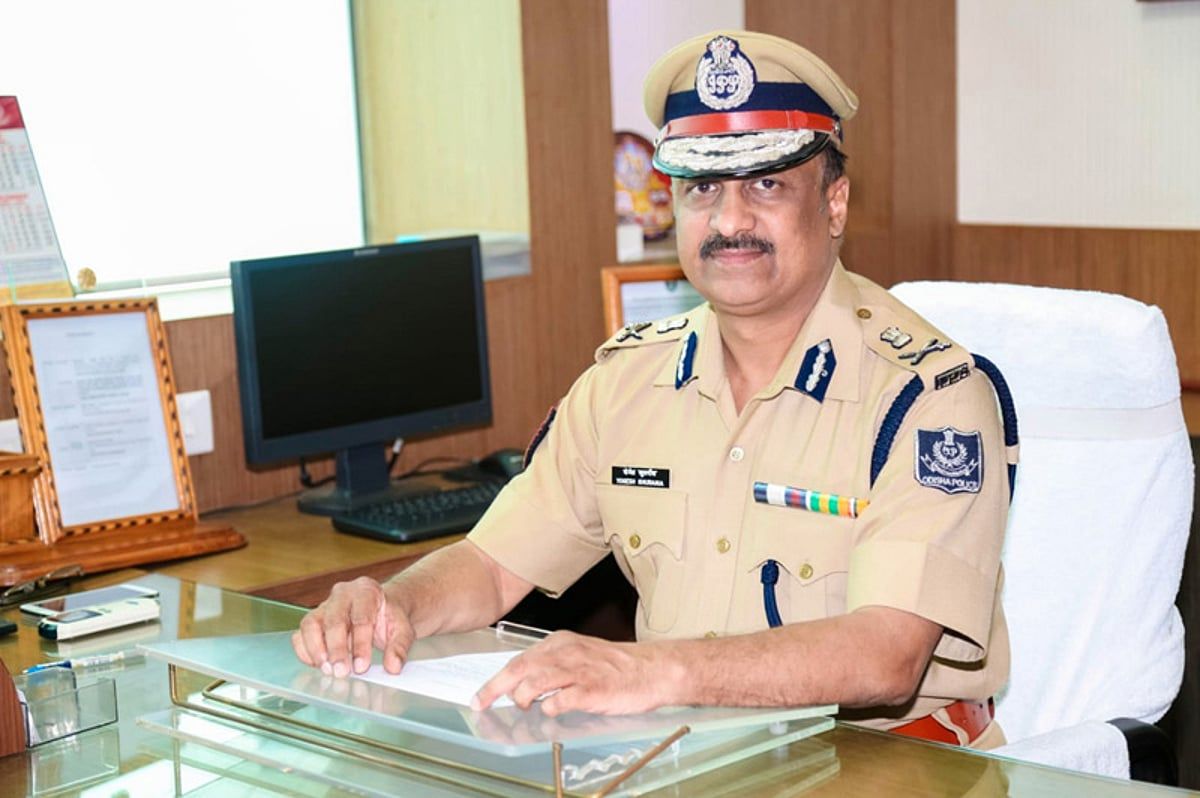
Odisha's Director General of Police made a direct statement: the department will neither initiate nor support extrajudicial encounters. The declaration came alongside enforcement operations that netted 39 firearms and resulted in 31 Arms Act cases. Police arrested 35 suspects and recovered 29 rounds of ammunition during the crackdown. The move signals a shift in how India's eastern state approaches armed crime enforcement.
Key Details
- 39 firearms recovered during enforcement operations
- 31 Arms Act cases registered
- 35 suspects arrested
- 29 rounds of ammunition seized
- DGP explicitly rejected encounter-based policing tactics
The Odisha Police Department's public stance against extrajudicial encounters represents a documented policy shift. Arms Act enforcement in India operates under strict central firearms regulations that govern civilian gun ownership. The 39 recovered weapons likely represent illegally held firearms or those possessed in violation of India's licensing requirements, where civilian carry permits remain extraordinarily difficult to obtain. The ammunition recovery suggests active armed criminal networks rather than isolated violations.
Why It Matters for Gun Owners
American gun owners watching international enforcement trends should note the underlying reality: India's strict licensing regime paired with extrajudicial enforcement created a justification feedback loop. When governments restrict legal ownership paths, they claim the resulting black market justifies aggressive tactics. Odisha's policy reversal—rejecting encounters while still pursuing arms cases—shows that even restrictive systems can choose due process. U.S. gun owners should recognize this pattern: Second Amendment protections exist partly to prevent governments from using artificially scarce legal ownership as justification for abusive enforcement. The 35 arrests through registered cases rather than encounters maintained evidentiary standards and court accountability.
DownRange Analysis
This matters because it proves even heavily restricted gun countries face pressure to choose between rights and tactics. Odisha's DGP didn't legalize firearms or expand civilian carry. Instead, leadership recognized that process matters more than outcome. For American carry permit holders, this reinforces why Second Amendment litigation focuses on process: constitutional protections survive only if government enforces them consistently. India's model—strict ownership restrictions paired with due process—still protects defendants better than extrajudicial systems. American gun owners should defend our broader ownership rights specifically because they prevent governments from claiming that artificial scarcity justifies unaccountable enforcement. Stay alert to carry law enforcement in your state. Demand documentation. Verify arrests match charges.