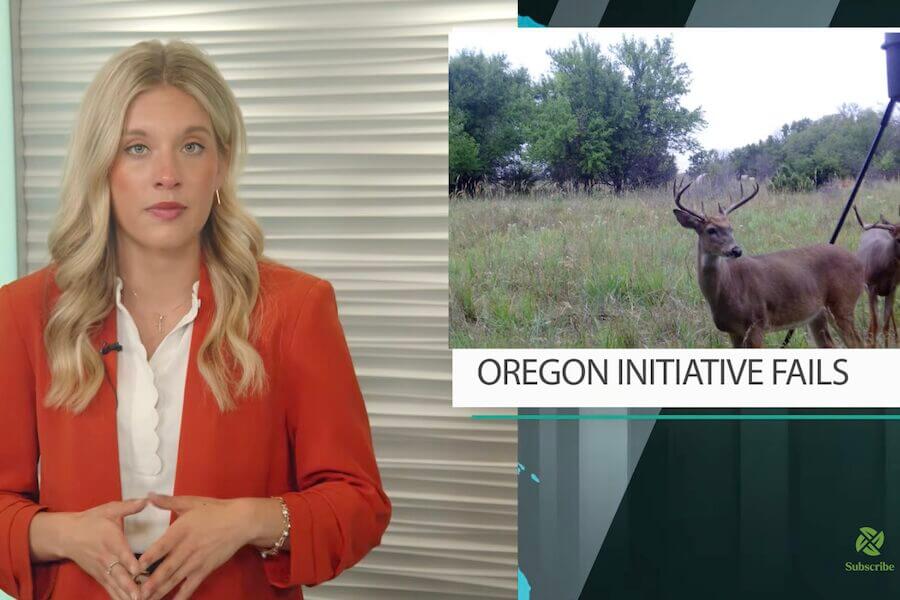
Oregon Hunters Dodge Anti-Hunting Ballot Measure
Initiative Petition 28 in Oregon collapsed before reaching the November 2026 ballot, falling short of the signature threshold required for voter consideration. The National Shooting Sports Foundation actively campaigned against the measure during its signature-gathering phase, citing threats to hunting traditions and rural livelihoods across the state.
Key Details
- IP 28 failed to secure enough valid signatures to qualify for the general election ballot
- The NSSF mounted organized opposition throughout the campaign period
- The initiative would have imposed restrictions on hunting activities and related firearm use
Why It Matters for Gun Owners
Oregon hunters and 2A advocates just dodged a significant regulatory threat. If passed, IP 28 would have created enforceable limits on hunting seasons, methods, or access—potentially affecting everything from waterfowl to big game seasons. The failure demonstrates that grassroots opposition from organized firearm and hunting groups can still stop anti-gun ballot measures at the signature stage. Gun owners in Oregon—and other states watching similar initiatives—should track which measures are gaining traction early and support signature-gathering defenses before campaigns reach full momentum. Rural and urban hunters both depend on stable season structures; any successful restriction in Oregon would have emboldened similar efforts elsewhere.
DownRange Analysis
This is a clean win, but incomplete. IP 28's failure shows that organized industry pressure and hunter turnout still matter in the signature phase—but it's reactive, not preventive. The real question: how close did it get? Without knowing final signature counts, it's unclear whether this was a blowout or a near-miss. Gun owners should assume similar measures are already being drafted for 2028. The NSSF's visible opposition was smart; staying silent costs votes down the line. Oregon hunters won this round. Stay vigilant.