Over 100 activists returned to Austin ICE shooting site September 28, 2026
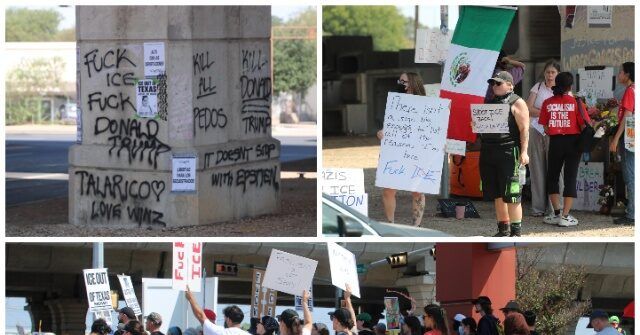
More than 100 protesters gathered at the same Austin location where an ICE officer discharged his weapon one week prior. The Austin Party for Socialism and Liberation organized the reoccupation, drawing multiple activist speakers to address the crowd. The original incident involved a 28-year-old Venezuelan national with a final removal order on file.
Why It Matters for Gun Owners
This event sits at the intersection of law enforcement, immigration enforcement, and armed federal authority—topics that divide the gun-owning community sharply. ICE officer-involved shootings generate intense scrutiny, particularly when the subject lacks citizenship status. Gun owners must understand the legal and political landscape surrounding federal law enforcement operations, use-of-force justifications, and how activist movements frame armed federal agencies.
Second Amendment advocates should track how these incidents affect federal agency authority, officer training standards, and whether courts apply heightened scrutiny to ICE operations. The activist response signals how certain political factions view armed federal enforcement—information directly relevant to broader Second Amendment debates about state power versus individual rights. When federal agencies face sustained organized pressure, policy changes often follow. Those changes can influence training protocols, rules of engagement, and civilian perceptions of federal law enforcement legitimacy.
Gun owners across the political spectrum should recognize that repeated protests at identical locations demonstrate sustained pressure tactics. The reoccupation strategy—returning to the same spot one week later—indicates planned, organized activism rather than spontaneous response. This matters because coordinated pressure campaigns often precede policy shifts, legislative action, or agency directive changes. Understanding activist tactics helps gun owners anticipate potential impacts on federal law enforcement authority and resource allocation.
Background on the Incident
The original shooting occurred September 21, 2026, when an ICE officer discharged his weapon during what the agency characterized as an enforcement action. The subject, identified as a Venezuelan national present illegally in the United States with a final removal order, was the focus of the operation. ICE did not immediately release detailed information about the circumstances leading to the officer's discharge of his weapon.
The incident drew rapid activist response, with the Austin Party for Socialism and Liberation mobilizing supporters within days. The organization's decision to return to the scene one week later indicates sustained organizational commitment and likely planning for additional demonstrations. Activist groups often use anniversary dates and recurring protests to maintain media attention and political pressure on federal agencies.
Austin has historically served as a hub for activist organizing, particularly around immigration enforcement and federal law enforcement conduct. The city's political environment provides support for sustained protest activities. Previous demonstrations against ICE operations in Austin drew comparable crowd sizes and organizational backing.
DownRange Bottom Line
Gun owners should monitor how sustained activist pressure influences ICE operations and federal law enforcement authority. Repeated protests at specific locations signal organized, long-term campaigns rather than momentary reactions. These campaigns shape public perception, influence policy decisions, and affect how federal agencies conduct armed operations. Whether you support or oppose ICE enforcement matters less than understanding that organized pressure works. Track organizational tactics, timeline patterns, and policy outcomes. Federal law enforcement conduct directly impacts Second Amendment discussions about armed state power and individual rights. Stay informed on these developments.