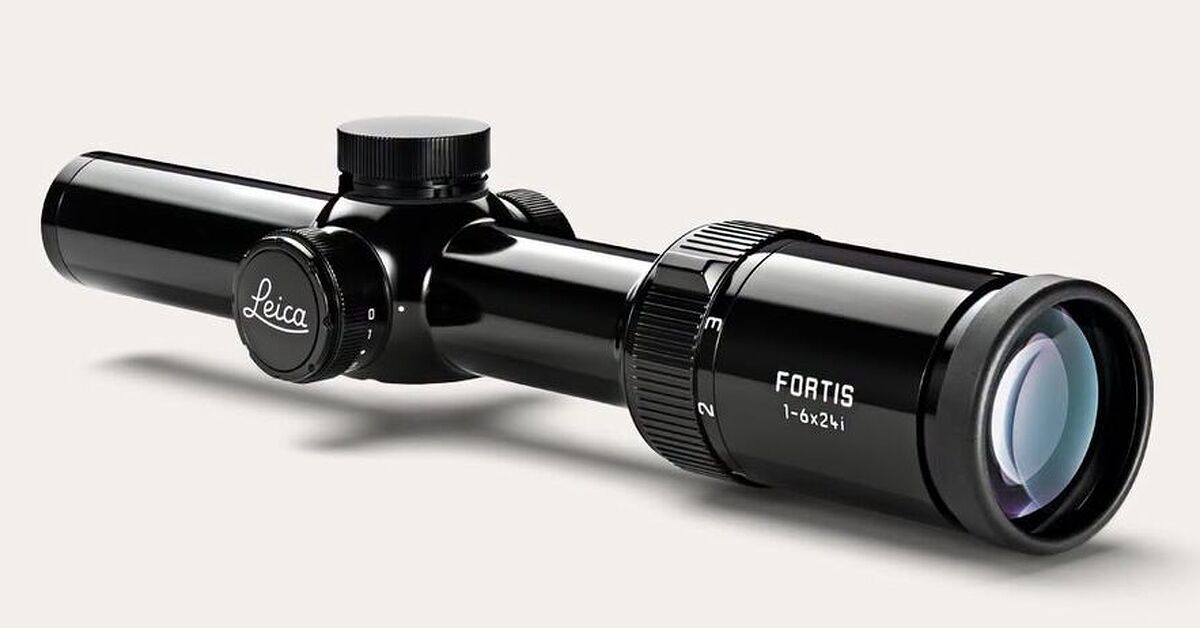
Leica's Fortis Glossy Scope Takes 90 Minutes of Hand Polish
A Leica artisan with more than 25 years of experience spends 90 minutes hand-polishing a single Fortis Glossy riflescope. The high-gloss, weather-resistant finish is built to match the deep bluing on classic bolt-action and break-barrel rifles. The Firearm Blog featured the scope in its Photo of the Day on November 13, 2026. The finish is a cosmetic choice for hunters who want optics that look at home on a traditional rifle, and it signals that hand finishing still has a place in European optics.
Key Details
The numbers here are simple, and they matter for buyers deciding whether a glossy finish fits their rifle and their budget.
- Labor: One Leica artisan hand-polishes each Fortis Glossy. The process takes about 90 minutes per scope.
- Experience: The artisan has worked at the bench for more than 25 years.
- Finish: The high-gloss coating resists weather and matches the deep bluing found on classic bolt-action and break-barrel rifles.
- Product line: The Fortis Glossy sits in Leica's hunting riflescope lineup, listed under Riflescopes and then Hunting on Leica Camera AG's website.
- Colors: The Fortis Glossy does not come in Flat Dark Earth. Leica's PRS 5-30x56i, built for precision rifle competition, does come in FDE.
- Use case: The Firearm Blog pitched the scope for slow, solitary stalking with a single-shot rifle.
The source does not publish a retail price, a glass specification, or a magnification range for the Fortis Glossy. Buyers should pull those specs from Leica's product page before ordering.
Background
Leica Camera AG is headquartered in Wetzlar, Germany. The company built its reputation on precision rangefinder cameras and later applied the same glass and mechanical discipline to sporting optics. Its riflescope line splits into two directions. The Fortis series targets hunters. The PRS series targets precision rifle shooters who compete in practical and long-range matches. Each line has its own finish philosophy. Hunting optics often lean toward matte or muted tones for concealment, while competition scopes frequently use FDE and other tactical colors to match modern chassis rifles. A high-gloss finish on a hunting scope works against that trend, which is why the Fortis Glossy stands out in a catalog dominated by matte coatings.
Bluing is a chemical conversion process that puts a protective black oxide layer on steel. Gunsmiths have used it for more than a century on hunting rifles, and collectors prize deep, even bluing on older actions and barrels. Replicating that look on a scope body means controlling the coating and polishing steps by hand. Mass production rarely delivers that level of consistency, which explains why an artisan's time becomes a selling point.
Why It Matters for Gun Owners
Most hunters will never buy a scope for its finish alone. Still, the Fortis Glossy speaks to a specific group. Owners of vintage-style bolt guns and break-barrel rifles often want optics that complement the metal and wood they already have. A glossy scope on a blued rifle creates a visual match. A matte scope on the same rifle looks like an add-on. If you own a classic rifle you care about, a high-gloss scope deserves a look in person before you buy.
The finish also raises a practical question. Glossy coatings show handling marks, fingerprints, and scuffs more readily than matte ones. Hunters who spend days in brush or rain should expect visible wear over a season. Ask the dealer whether the finish carries a warranty for weather damage or cosmetic wear, and check whether Leica offers touch-up options or refinishing. A scope that looks perfect in a showroom can look used after one hunt.
Legal status is not in play here. A riflescope is not a firearm, and the finish does not change its regulatory treatment under federal or state law. Hunters should still confirm local rules on optics and hunting methods before a season opens, since some states regulate specific technologies rather than cosmetic features.
DownRange Analysis
Bruen does not apply to a riflescope. The Supreme Court's test in New York State Rifle & Pistol Association v. Bruen governs restrictions on arms and their possession, and an optic falls outside that framework. The legal fight over gun rights will never turn on whether a scope has a glossy or matte coating. The real value question is market-driven. Hand-finished optics command premium prices because labor is expensive and rare. Whether that premium makes sense depends on whether you care about the look enough to pay for it.
Here is what a gun owner should do right now. Compare the Fortis Glossy against Leica's matte Fortis models and against competing hunting scopes with similar glass and magnification. Check the warranty terms for finish damage. If the scope will sit on a blued rifle you value, put it on that rifle in a shop and decide with your eyes. If you run a hard-use rig in the field every weekend, a matte finish will hide the wear better and cost less in peace of mind. Buy for the rifle you own, not the photo you saw.