Putin Orders Air Defense Fixes After Ukrainian Drones Breach Russian Territory
Vladimir Putin announced a major overhaul of Russian air defenses after Ukrainian drones repeatedly penetrated deep into Russian airspace, striking targets near St. Petersburg and other strategic locations. The admission signals Moscow's recognition that current air defense systems cannot reliably stop drone attacks.
What Happened
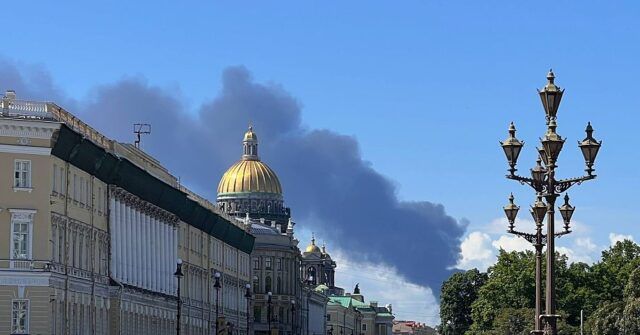
Ukrainian forces have successfully launched multiple drone strikes against Russian positions and infrastructure. These operations reached targets hundreds of kilometers inside Russian territory, including areas around St. Petersburg. Russian air defenses failed to intercept many of these unmanned systems.
Putin's public acknowledgment of the vulnerability represents a significant shift in official Russian messaging. Rather than dismissing the threat, Moscow now frames air defense enhancement as a priority.
The Air Defense Gap
Russia's existing air defense network relies heavily on older systems designed to counter manned aircraft and cruise missiles. Ukrainian drones operate differently—they fly slower, lower, and in unpredictable patterns that challenge legacy radar and targeting systems.
The drone attacks expose the same vulnerabilities gun owners understand about defensive systems: they require constant upgrades. What works against yesterday's threats fails against today's tactics. Russia's air defense infrastructure, built during the Soviet era and incrementally modernized, cannot adapt fast enough to drone warfare evolution.
This mirrors how civilians must regularly evaluate and update their home security measures. Static defenses become obsolete.
Why This Matters for Armed Citizens
The Ukraine conflict demonstrates that defensive technology requires ongoing investment and modernization. For gun owners, the lesson applies directly: training, equipment maintenance, and tactical knowledge demand continuous attention.
Russian reliance on aging systems created exploitable gaps. Similarly, gun owners who fail to maintain their firearms, practice regularly, or update their tactical understanding become vulnerable to changing threat environments. Complacency kills.
The drone penetrations also highlight how modern warfare—and by extension, modern self-defense—involves technologies beyond traditional shooting skills. Situational awareness, threat assessment, and adaptive response matter as much as marksmanship.
DownRange Analysis
Putin's announcement reveals institutional weakness beneath state propaganda. Russia cannot simply switch off the problem or declare victory. Instead, Moscow must admit failure and commit resources to fix it.
The timeline for implementing meaningful improvements remains unclear. Designing, testing, and deploying new air defense systems takes years. Ukraine continues flying drones into Russian airspace while Moscow reorganizes.
For gun owners preparing for uncertain times, this conflict offers practical perspective. First, redundancy matters. Russia relied on a single defensive network with single points of failure. Second, adaptive enemies will exploit gaps. Third, preparation requires honest assessment of actual capabilities versus assumed ones.
The drones reaching St. Petersburg weren't theoretical threats—they flew through actual Russian defenses that didn't stop them. That reality forced Putin to respond publicly. Similarly, gun owners must honestly evaluate whether their defensive plans actually work against real threats, not imagined adversaries.
Russia's air defense overhaul will cost billions and take years. Meanwhile, Ukrainian drones continue operating inside Russian territory. Delayed responses to emerging threats create windows of vulnerability that enemies exploit.