Sons of Liberty Mk 1 Runs Glitch-Free at Nearly $3,000
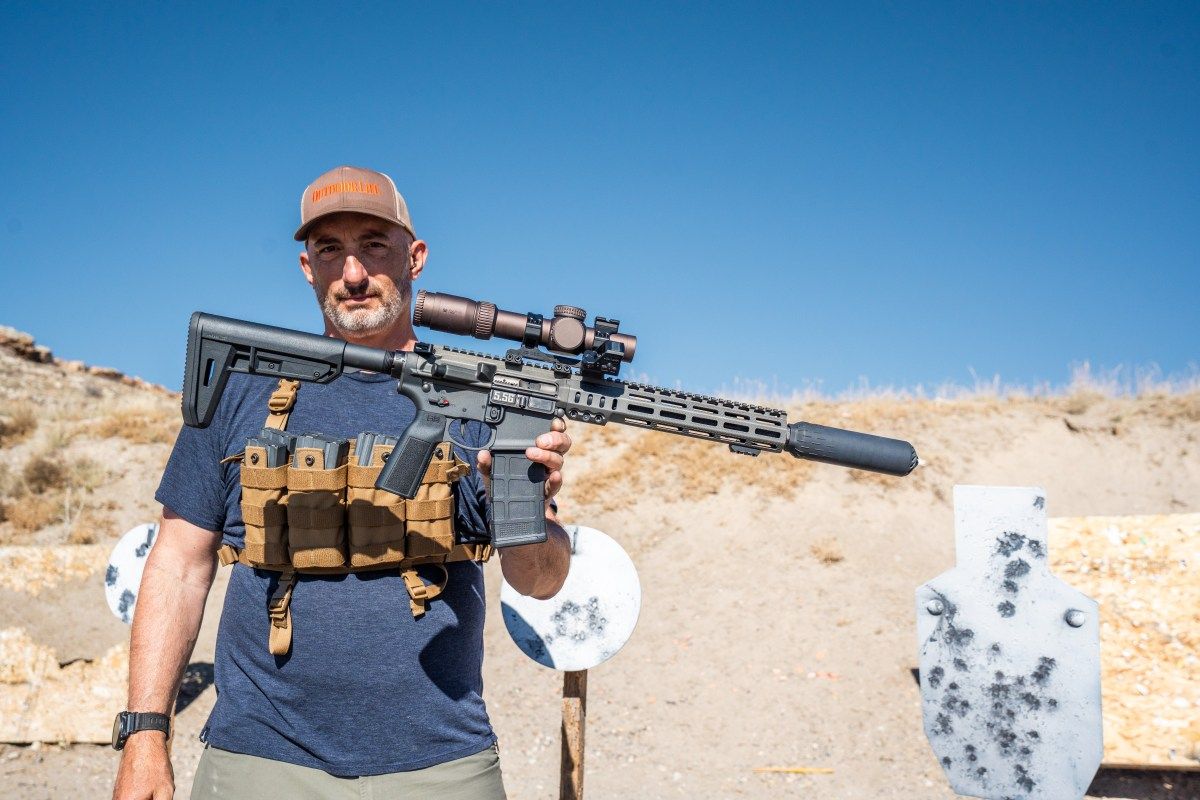
Sons of Liberty Gunworks' Mk 1 carbine ran without a single glitch through every optic and muzzle device a months-long tester mounted on it, according to a review Outdoor Life Guns published on November 13, 2026. The 11.5-inch rifle, chambered in 5.56 NATO, sells for just under $3,000. That price has kept many buyers on the sidelines, even as the rifle climbs the ranks of the most wanted AR-platform guns on the commercial market. The gun earned its reputation after a Tier One SOCOM unit selected it during a grueling selection process last year. The real question is whether the rifle performs well enough to justify the premium. The hands-on testing says it does.
Key Details
The reviewer spent several months with the carbine across multiple configurations. Here is what the test covered:
- Barrel and chambering: 11.5 inches, 5.56 NATO.
- Price: just shy of $3,000.
- Multi-gun setup: a Vortex 1-10 Gen III Razor LPVO run at 10X, paired with a Holosun 507C in an offset Area 419 mount. The reviewer rotated the rifle 45 degrees to bring the Holosun's halo-style reticle into view for close targets.
- SOCOM-style setup: an EOTech holographic sight with a 3x magnifier on Unity FAST mounts, plus EOTech's OGL weapon-mounted laser and IR designator.
- Muzzle device: the Huxwrx Flow 556 Ti suppressor, similar to the device the military selected for the Mk 1.
- Gas system: a non-adjustable gas block that balances with the suppressor and cuts gas blowback to near zero.
- Reliability components: the bolt-carrier group, buffer system, gas block, and suppressor together. The reviewer says they tame recoil and keep the rifle controllable.
- Operator feedback: reports from units that field the rifle describe its lethality, performance, and reliability as outstanding.
Background
The Mk 1 entered the civilian market on the strength of its military reputation. Tier One operators rarely adopt a commercial rifle without a punishing evaluation, so the selection carries weight with buyers who want a proven design. The rifle's 11.5-inch barrel places it in a specific legal category. Under the National Firearms Act, any rifle with a barrel shorter than 16 inches counts as a short-barreled rifle. Owners must register it with the ATF on a Form 4 and pay the transfer process before taking possession. A suppressor like the Flow 556 Ti falls under the same registry. Starting January 1, 2026, the One Big Beautiful Bill Act cut the $200 NFA tax on suppressors and short-barreled rifles to zero. The federal paperwork still applies, and the approval wait still applies. The tax change removed a cost, not the registry.
Why It Matters for Gun Owners
Buyers who want this rifle need to check their state law before they check out. Several states restrict suppressors outright or require extra permits, and some regulate short-barreled rifles more tightly than the federal government does. A Mk 1 bought in one state can become a felony problem after a move to another. Any buyer who transfers the rifle or the suppressor through a dealer needs an approved Form 4 first. Do not shorten a barrel to 11.5 inches on a rifle you own unless the ATF has approved that build. Anyone pricing this rifle should look at the total cost, not the sticker. The gun costs nearly $3,000 before you add optics, mounts, and a suppressor. Set a full budget before you open a cart. Compare the Mk 1 against other 11.5-inch builds that use proven gas systems and quality bolt carriers. The reviewer's praise is real, but the premium buys mostly consistency and a military-tested pedigree.
DownRange Analysis
The testing supports the rifle's reputation. A carbine that runs clean across a 10X LPVO, a red dot with a halo reticle, and a holographic sight with an IR laser has earned its spot. The gas block and suppressor pairing matters more than the sticker. Reliability on a short-barreled AR comes from the gas system, and this gun gets that right. The legal side is less certain. The Bruen test asks whether modern regulation fits the nation's historical tradition of firearm regulation. Most federal courts have upheld the NFA registry for suppressors and short-barreled rifles so far, and the registry is still the rule you must follow today. Build the rifle as the law stands, not as you hope courts will rule. My advice is simple. Confirm your state's rules, file the Form 4 before you buy or build, and do not spend $3,000 on a rifle until you have verified the paperwork. If the money is tight, a cheaper 16-inch AR with a quality bolt carrier delivers most of the same performance without the registry.