Ruger's LCP MAX Finally Fixes the Sights the LCP II Left Behind
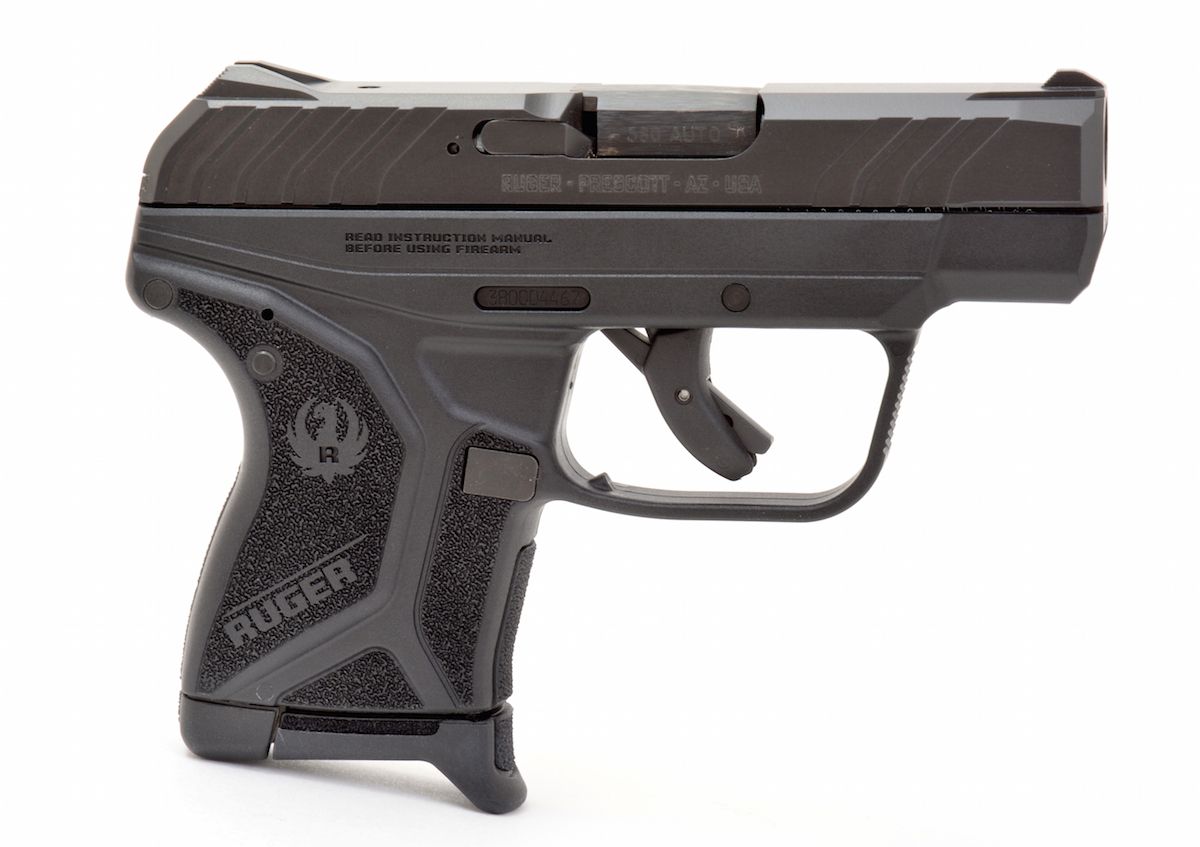
Ruger's LCP MAX ships with 10+1 capacity and sights that beat anything the LCP line has carried before, all without a meaningful jump in size or weight. The LCP II, the 2016 model at the center of this review, already solved the slide that would not lock back after the last round and fixed the heavy trigger. Its sights were the one glaring miss. The MAX is the pistol that finally addresses that gap, and for 2026 the question is whether Ruger perfected the pocket .380 formula.
Key Details
The numbers separate the LCP II from the original pistol and set up the MAX comparison.
- Trigger: The original LCP averaged 6.5 pounds. The LCP II averages 5 pounds, 11 ounces.
- Trigger travel: 0.75 inches, with firm stacking over the last 0.5 inches, a clean break, and a short reset.
- Trigger type: Ruger calls it single-action-only. The hammer cocks only when the slide is cycled, so there is no second-strike capability.
- Slide: The LCP II slide needs half the racking effort of the original. A short stroke recocks the hammer after a misfire.
- Serrations: Crescent-shaped serrations now run on both the rear and front of the slide.
- Triggerguard: Redesigned with an elongated base and a squared-off front.
- Frame: Glass-filled nylon, reshaped for a modestly better hand hold.
- Hammer: Only the top third of the hammer shows through the rear slide opening when cycled. Ruger's design still gives a quick visual check.
- Sights: The LCP MAX carries sights that improve on the LCP II's, which the review calls the one shortfall the LCP II never fixed.
- Capacity: The MAX holds 10 rounds plus one in the chamber.
- Historical price: The 2016 LCP II review listed a $349 suggested retail price. That figure reflects 2016 test information, not current pricing.
Background
The LCP did not arrive first. The Kel-Tec P-3AT beat it to market by about five years and proved that a .380 ACP pocket pistol could sell. Ruger's LCP launched in 2008 and made the cartridge mainstream. It also pulled the .380 out of the shadow of the Walther PPK, long the best-known .380 on the planet.
Ruger chose a locked-breech design for the LCP. Most .380s run blowback, which forces a large slide and heavy recoil springs. The locked breech let Ruger keep the pistol small. The tradeoff was a heavier trigger, a stiff slide, and a slide that stayed closed after the last shot. Early production fixes were minor.
The 2015 LCP Custom was the first real overhaul. It brought a red aluminum trigger, a stronger stainless guide rod, a lighter slide spring, and a tall, square-notched rear sight with a white-dot front. That sight upgrade was the most important change the LCP had seen. The LCP II followed with the lock-back fix and the new trigger.
Why It Matters for Gun Owners
Anyone carrying an original LCP should take note. The LCP II and MAX fix the three complaints that drove owners to aftermarket parts and holsters, so a used first-generation LCP now carries a discount that the newer guns do not. Owners who want a pocket .380 with usable sights now have a clear upgrade path, and the MAX's added rounds matter for anyone who wants more than six or seven shots in a pocket gun.
Buyers shopping the pocket .380 segment should compare three things before they spend money. First, sight picture under dim light, because the sights were the weakest link on earlier models. Second, trigger feel, since the LCP II's 5-pound-11-ounce pull is a clear step up from the original's 6.5 pounds. Third, magazine compatibility across the LCP family. Verify magazine interchange with Ruger before buying spares, because capacity changes often mean different magazines.
Owners who carry daily should also learn the hammer check. The visible portion of the hammer is smaller than before, so run a visual and tactile check every time the gun leaves the holster.
DownRange Analysis
A pocket .380 is a common arm in every state, so none of this raises a Second Amendment question under Bruen. The legal issues here are the standard ones: state carry permits, magazine rules where they apply, and transport. The engineering question matters more to owners. Ruger solved the lock-back and trigger problems in the LCP II, and the MAX solves sights. That is a complete list of the original LCP's flaws, which gives the MAX a strong case as the best LCP Ruger has built.
Market-wise, expect pressure on used first-generation LCPs. Owners holding older guns should weigh whether the sight and trigger upgrades justify a trade. Buyers should not pay full MAX prices for a gun they have not handled, so visit a counter and run the trigger and sights before you buy.
What should a gun owner do now? Shoot the MAX before you commit. Check the sight picture at a 7-yard target with your own ammunition. Dry-fire the trigger to learn the reset. If the sights and trigger pass that test and your state permits the carry you intend, the MAX is the pocket .380 to beat.