ICE Shooting in September Triggers Small Protest Demand for Agency Withdrawal
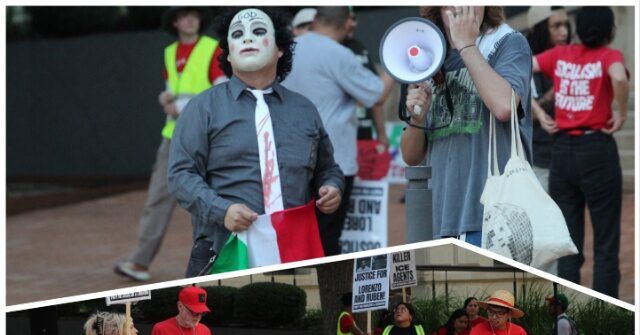
The Party for Socialism and Liberation organized a Friday demonstration at San Antonio City Hall demanding ICE leave Austin after a September 20 shooting left a 28-year-old Venezuelan national wounded during an immigration enforcement action. The protest drew only dozens of attendees and generated minimal public attention downtown near the Alamo.
The shooting occurred during a routine immigration arrest. PSL organizers seized the incident to amplify calls for federal immigration enforcement agencies to withdraw operations from Central Texas entirely. The group's messaging failed to gain traction—attendance was sparse and media coverage remained limited compared to other activist events in the region.
Why It Matters for Gun Owners
This incident sits at the intersection of federal law enforcement authority and armed operations. Gun owners need to track how shooting incidents involving ICE, ATF, and other armed federal agencies get weaponized by activist groups to restrict agency operations or rewrite use-of-force rules.
Each federal agent shooting becomes political ammunition for debates about officer training, rules of engagement, and government power. For Second Amendment advocates, these cases directly impact the broader narrative around law enforcement authority. When use-of-force incidents drive demands to constrain or eliminate agencies, the precedent affects how government treats armed citizens as well.
The poor turnout here—a handful of protesters at a major city hall—suggests the public isn't buying the PSL's message wholesale. But don't mistake low attendance for low impact. Progressive activist groups recycle these incidents into legislative proposals, training protocol changes, and expanded civilian oversight boards that ultimately restrict armed enforcement across all law enforcement branches.
Gun owners should monitor how federal agencies respond to such pressure. Agencies facing political heat often implement stricter policies, expanded bureaucratic review processes, and more cautious deployment decisions. These changes echo down to local law enforcement and shape how armed authority gets exercised at every level.
Background on the Incident
ICE conducted an immigration enforcement action on September 20 targeting individuals without legal status in the United States. During the operation, an agent discharged a firearm, striking a 28-year-old Venezuelan national. The wounded individual was transported for medical treatment.
Details on the shooting's circumstances—whether the suspect was armed, whether he advanced on agents, whether he resisted arrest—remain limited in public reporting. The PSL used this information vacuum to frame the incident purely as excessive force by federal agents.
Austin and San Antonio have seen increased activist organizing around immigration enforcement in recent years. Progressive groups view ICE operations as human rights violations and regularly stage protests demanding the agency cease operations in Texas. This particular demonstration followed the organization's established playbook but failed to generate the participation numbers or media attention previous efforts achieved.
DownRange Bottom Line
The PSL's demand reflects ideological opposition to immigration enforcement itself, not genuine Second Amendment concerns. The group's minimal turnout—dozens instead of hundreds—indicates the message isn't resonating with mainstream San Antonio voters.
Gun owners should still pay attention. Even failed protests set precedents. Activist pressure on use-of-force incidents, when sustained over time, produces policy changes, training modifications, and expanded oversight mechanisms. These ripple effects constrain armed law enforcement authority across the board.
Track which incidents get weaponized politically and by whom. Understand how use-of-force narratives shape broader government policy on armed authority. That awareness protects your Second Amendment interests long-term.