Supreme Court Moves Forward on Gunmaker Liability Case This Fall
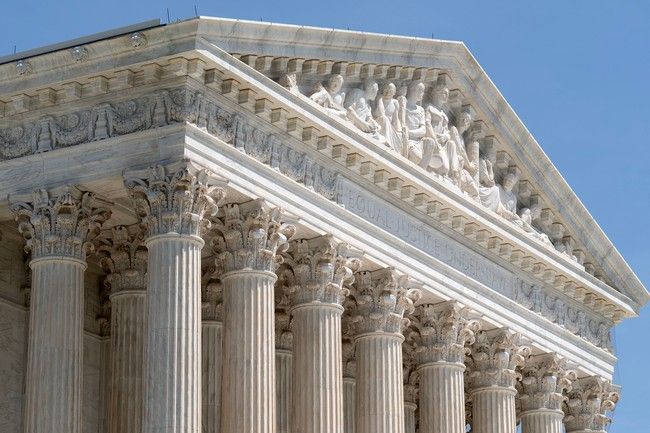
The Supreme Court requested a formal response brief from respondents in Daniel Defense v. Lowy, a signal that at least one justice is interested in granting certiorari. The case challenges whether firearms manufacturers can be held financially responsible for criminal acts committed with their products. The Court's first conference of the fall term is scheduled for September 28, 2026, where justices will discuss petitions behind closed doors.
Key Details
Daniel Defense, the Georgia-based rifle manufacturer, filed the petition seeking Supreme Court review. The Court's request for a formal response brief is procedurally significant—it indicates genuine interest rather than a routine docket entry. The case directly challenges state-level attempts to impose manufacturer liability through civil litigation, a legal theory that has gained traction in anti-gun jurisdictions following mass shooting events.
Why It Matters for Gun Owners
This petition cuts to the core of Second Amendment economics. If courts allow civil liability suits against manufacturers for criminal misuse, every gunmaker becomes a de facto defendant in crimes committed by third parties. States like California and New York have already pursued similar theories. A SCOTUS ruling could either protect manufacturers from frivolous liability or open them to sustained financial warfare that drives up costs and limits production. Gun owners depend on a functioning supply chain—excessive liability costs get passed directly to consumers through higher prices and reduced inventory. The decision also signals how far post-Bruen courts will go in regulating the industry indirectly.
DownRange Analysis
The Court's move suggests Bruen's protection extends beyond statutory restrictions into civil liability schemes. Justices are clearly concerned that anti-gun states are weaponizing tort law to achieve what legislatures cannot—de facto gun bans through manufacturer bankruptcies. This petition likely draws support from conservative justices who recognize the pattern. However, the case still faces arguments about standing, federalism, and whether Second Amendment protections apply to manufacturer liability. Expect this to be heard in the 2026-27 term. Gun owners should monitor this closely: a favorable ruling protects the industry's survival; an unfavorable one accelerates the regulatory squeeze.