SIG XRAY5 Eliminates Mechanical Zeroing—Here's What That Means
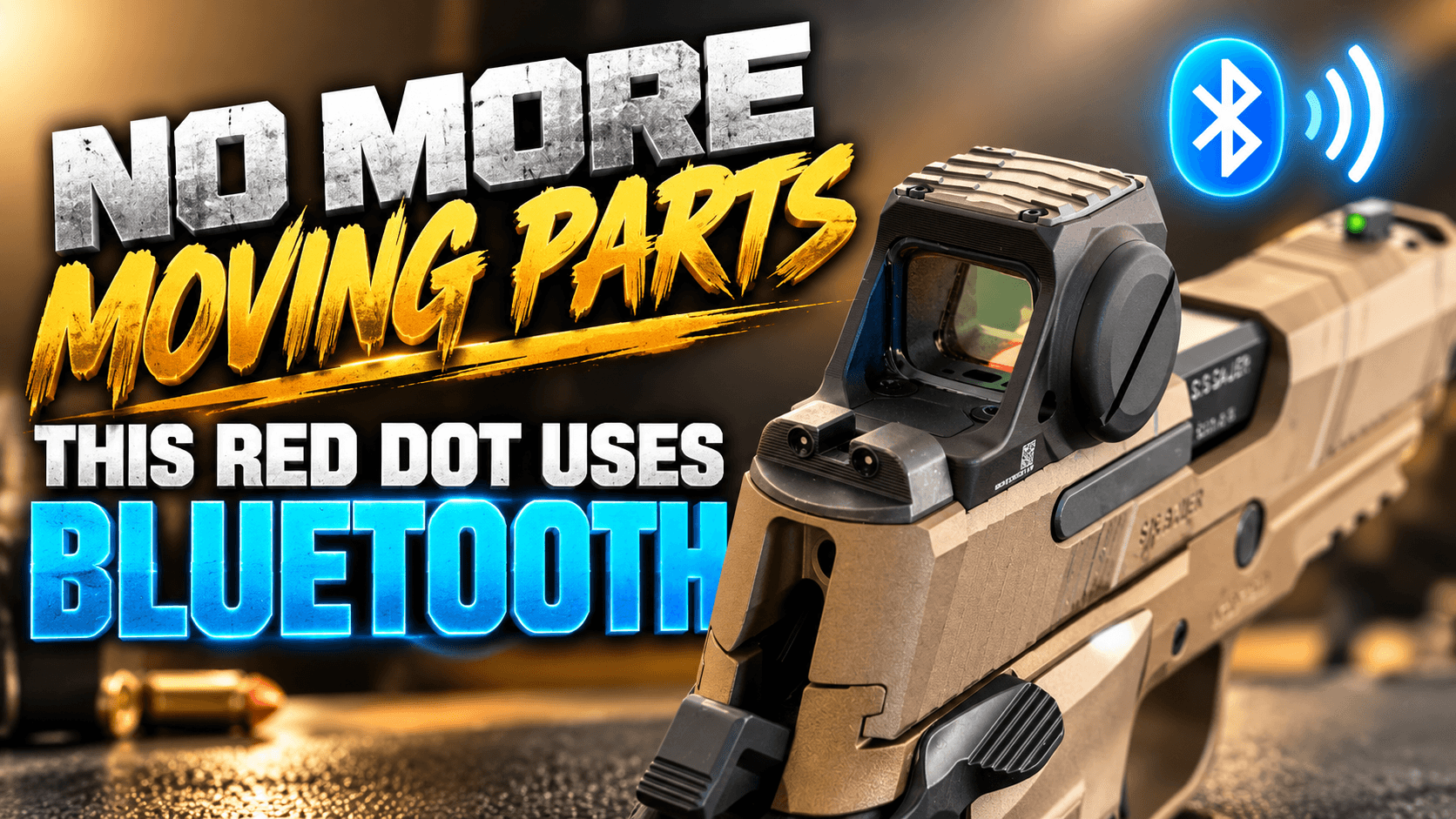
SIG Sauer broke from three decades of pistol red-dot design with the XRAY5, scrapping the mechanical adjustment turrets that have been standard on carry-optics since the 1990s. The new sight uses a fixed 225-dot matrix, fully enclosed housing, and a zero-distortion optical path derived from military machine-gun and rifle platforms. No screwdriver zeroing. No drift. No exposed adjusters to snag on holsters.
Key Details
- Fixed 225-dot matrix replaces variable brightness and mechanical windage/elevation turrets
- Fully sealed, enclosed housing design prevents contamination and snag points
- Zero-distortion optical system scales down technology deployed on military automatic weapon platforms
- Solid-state construction—no moving parts in the optical path
Why It Matters for Gun Owners
Carry shooters and competition pistol competitors have tolerated mechanical adjustment screws because they were the only option. The XRAY5 changes the calculus: a sight that won't lose zero from recoil or impact, doesn't require tools to adjust, and offers military-grade optical performance in a footprint that fits P320, M17, and other duty platforms. For duty weapons and defensive carry guns, this trades zeroing flexibility for reliability. A fixed, sealed system survives neglect, sand, mud, and rough holstering better than open-turret designs. Competitors may miss the micro-adjustment capability for load-specific tuning, but the enclosed design appeals to operators prioritizing durability over tweaking.
DownRange Analysis
This represents SIG's confidence in their optical engineering—they're betting shooters trust their factory zero more than their own adjustment screws. Military rifle optics have proven the sealed-matrix approach works under hard use. For pistols, it's a bet that most gun owners will never need to re-zero their carry gun once properly sighted in. The move also eliminates a common failure mode: loose turrets. If the XRAY5 gains traction with law enforcement and duty users, competitors will follow. Watch for this to pressure EOTech, Trijicon, and Leupold to either match the enclosed design or defend mechanical adjustment as a feature, not a limitation.