BOE's IncoLite 9S Weighs 4 Ounces but Stalled a Glock 19
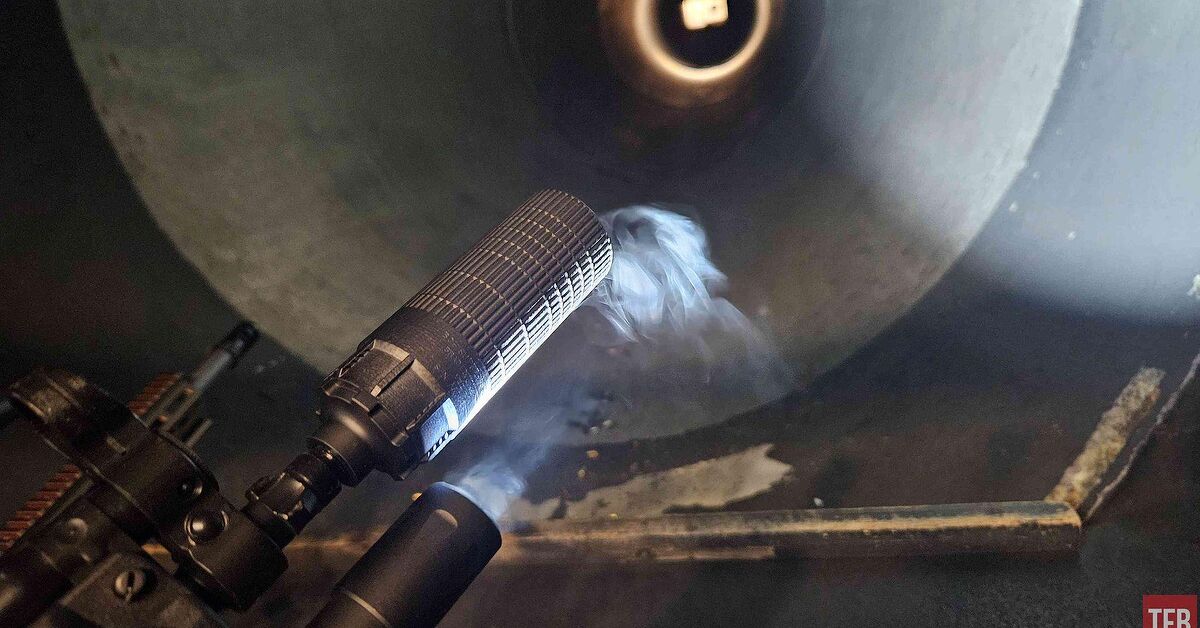
The BOE IncoLite 9S weighs 4 ounces, and it failed to cycle a Gen 4 Glock 19 fitted with a SilencerCo threaded barrel. That result came from a hands-on review of the IncoLite 9 and 9S published by The Firearm Blog on November 14, 2026, as part of its Silencer Saturday column. The reviewer ran both cans on a range of pistols and carbines. The silencers ran flawlessly on a Beretta Model 84 in .380 ACP with an Allegheny Arms threaded barrel and on a Military Armament Corp. MAC-5. The Glock result matters most for anyone thinking about a lightweight can on a striker-fired duty or carry gun. Weight is only part of the reliability equation. Mass at the muzzle, gas volume, and the specific gun all decide whether the action cycles.
Key Details
The review centers on the two smallest members of BOE's three-model IncoLite family. The reviewer treats the standard IncoLite 9 and the shorter 9S as true pistol-caliber suppressors. The larger 9M, a modular unit that accepts a wider range of rifle cartridges, will get its own review later.
- IncoLite 9S: 4 ounces, shorter of the two pistol cans
- IncoLite 9: 6.5 ounces, standard-length pistol can
- Construction: Inconel, produced by additive manufacturing rather than machining
- Mount: standard 1/2x28 threads, with no spring-loaded booster assembly included
- Rifle compatibility: limited to pistol-like rifle cartridges such as 300 Blackout and 350 Legend, subsonic loads only
- Glock 19 Gen 4 (SilencerCo threaded barrel): failed to cycle with the 9S attached, with every ammunition type tried
- Beretta Model 84 (.380 ACP, Allegheny Arms threaded barrel): ran with both cans; gas return to the shooter was reduced compared with other cans the reviewer had tested
- MAC-5 (Military Armament Corp.): ran flawlessly; the MAC-5's combination muzzle device accepts the 1/2x28 mount directly
- First-round pop: BOE advertises a reduction. The reviewer describes it as subjective, not lab-measured, but reports the first shot sounds much closer to follow-up shots than other cans in the class
The reviewer also tested the LMF weapon light from Military Armament Corp., a flashlight handguard that sits slightly farther from the bore line to clear suppressors. The reviewer reports it accepted every can tried so far, including the IncoLite models.
Background
Inconel is a nickel-chromium superalloy. Suppressor makers have used it for years in hard-use cans, including short-barreled carbines and belt-fed machine gun suppressors, because it holds up to heat and gas erosion. Lightweight cans have typically relied on titanium or aluminum, which cut weight but wear faster under sustained fire. BOE's approach uses additive manufacturing to place material only where strength is needed. The result is a printed internal baffle structure that looks nothing like the stacked baffle cups of older cans. Printed suppressors have moved from prototype to production over the past several years, and the IncoLite line shows how far that process has come.
Booster assemblies, often called Nielsen devices, exist because tilting-barrel pistols such as the Glock need extra energy to cycle when a suppressor adds mass at the muzzle. Many lightweight cans do not need a booster at all. Others do, depending on the pistol, the load, and the barrel. This is why suppressor makers publish compatibility lists and why reviewers test pairings one at a time.
Why It Matters for Gun Owners
If you own a striker-fired Glock, the IncoLite 9S needs a test before you trust it. The reviewer's Gen 4 Glock 19 would not cycle with the 9S attached, regardless of ammunition. That points to a gun-specific problem, not a general failure. Other Glock owners may see different results, especially with a different barrel, recoil spring, or a booster. Check the manufacturer's compatibility chart and run a box of your carry ammunition before you rely on the can for defense or training.
Owners of fixed-barrel and unlocked-breech pistols like the Beretta Model 84 have a different story. The reviewer's Model 84 ran both cans without issue, and gas return was lower than with some competing designs. Owners of the MAC-5 platform or similar carbines with pistol-caliber barrels have a clear fit, since the 1/2x28 mount threads onto common muzzle devices. If you run 300 Blackout or 350 Legend, stick to subsonic loads. The IncoLite line is not built for supersonic rifle rounds.
Watch for the 9M review and any published booster or compatibility data from BOE. Those details will decide whether the family covers more of the market or stays a niche pistol-caliber option.
DownRange Analysis
A suppressor is not a firearm under the Second Amendment question, but it is a regulated accessory, and this line shows where the market is headed. Lightweight, printed, and durable is an attractive combination. The reviewer's subjective sound findings are useful, but they are not measured data. Until someone runs decibel readings across multiple platforms, treat the first-round claim as marketing that a reviewer found credible. The $200 NFA tax on suppressors dropped to zero under the 2025 reconciliation law, which lowers the cost of entry and makes compatibility questions more pressing for new buyers who may not have owned a can before.
Here is what to do now. Pull the manufacturer's compatibility list before you buy. If your pistol is a tilting-barrel design, budget for a booster or a different can. Shoot a test string with your carry load and inspect the gun for failure to cycle and excessive gas. Keep a record of what works. A gun owner who tests methodically will avoid the failure that cost this reviewer a session.