SOCOM Dumps MK 46 After 23 Years — Wants Lighter Machine Gun
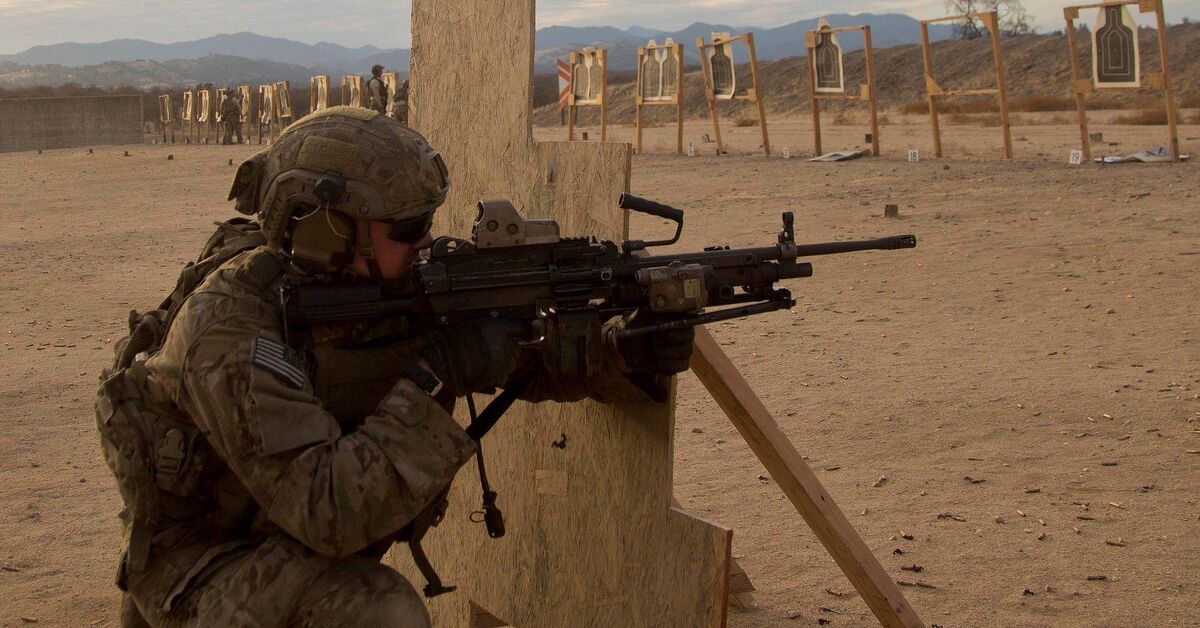
US Special Operations Command is actively searching for a successor to the MK 46, the light machine gun that has served special forces units since 2003. Task&Purpose first reported the initiative. The move signals that two decades of combat deployment have exposed limitations in a platform that became the workhorse of special mission units throughout the Global War on Terror.
Key Details
- The MK 46 entered service in 2003 and has been fielded extensively by various special operations units across two decades of sustained combat.
- SOCOM's search suggests the current platform no longer meets the performance or weight requirements of modern special operations tactics.
- The replacement effort indicates a shift in how elite units plan to balance firepower, ammunition capacity, and operator mobility in next-generation loadouts.
Why It Matters for Gun Owners
When SOCOM retires a weapon system, commercial manufacturers typically release civilian variants within months. The MK 46 spawned the FN M249S and other semi-automatic versions that dominate the competition and home defense markets. A new SOCOM-driven platform could reshape what's available to shooters who run intermediate-caliber belt-fed guns for competition or remote property defense. The procurement process also reveals what elite operators consider mission-critical: lighter weight suggests pressure from dismounted operations and helicopter insertions where every pound matters. Gun owners should monitor which manufacturer wins the contract — it usually predicts the next civilian offering.
DownRange Analysis
SOCOM's search reflects a broader shift in small-unit tactics away from sustained suppressive fire toward precision marksmanship and distributed firepower. A lighter machine gun supports faster movement, longer operations without resupply, and integration with drone-coordinated missions. The timing also matters: ammunition weight and logistics drive every special operations decision. Manufacturers like FN, SIG, and General Dynamics are likely competing with platforms that shed 1–2 pounds without sacrificing caliber or reliability. Expect the winner to emphasize modularity and ammunition compatibility with other squad weapons. For civilian shooters, this cycle historically opens new semi-automatic options within 18–24 months of official adoption.