Canada's Swift Current Gun Show Packs 251 Tables and a Paperwork Gauntlet
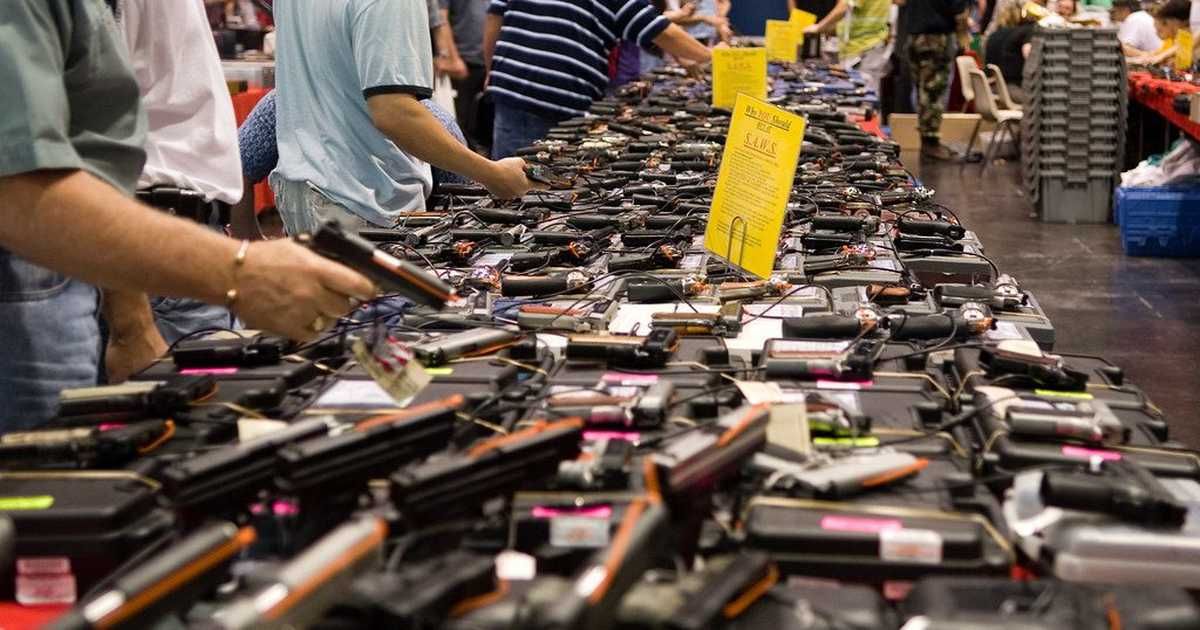
Swift Current, Saskatchewan hosts its 63rd Hobby Craft and Gun Show this weekend, and organizers Kevion Banman and his wife, Linda, have booked a record 251 tables at the Stockade Building. That is up from 245 last year. The show runs Nov. 7 and 8, with one day open 10 a.m. to 5 p.m. and the other 10 a.m. to 3 p.m. Vendors sell far more than guns. Knives, coins, glass, leatherwork, furs, fishing gear, military collectibles and medieval items fill the aisles. Firearms share the floor with all of it, but Canada's licensing system means few of those guns will leave the building with new owners this weekend.
Key Details
The numbers tell the story of a show that keeps growing despite a hostile federal government. Here is what matters:
- 63rd annual edition of the Swift Current Hobby Craft and Gun Show.
- 251 tables booked for 2026, the most in the event's history, up from 245 in the prior year.
- Dates: Nov. 7 and 8, with hours of 10 a.m. to 5 p.m. on one day and 10 a.m. to 3 p.m. on the other.
- Venue: the Stockade Building in Swift Current, Saskatchewan.
- Organizers: Kevion Banman and Linda Banman.
- Vendor mix: hobbies, crafts, collectibles, coins, glass, leatherwork, furs, hunting, fishing, knives, medieval goods and military items.
- Banman's explanation: the organizers want wider variety because more vendors are applying than ever before.
- Firearms transfer rule: sellers of non-restricted guns must confirm the buyer holds a valid Possession and Acquisition Licence (PAL), request a reference number from the Canadian Firearms Program online or by phone, and wait for that number before the handoff.
- Handgun freeze: Ottawa has frozen handgun sales for now.
- Rifle ban: the government has banned hundreds of semi-automatic rifle models by name.
Background
Canada never had a US-style right to keep and bear arms. Its firearms regime runs through the Criminal Code and the Firearms Act, and it treats gun ownership as a privilege tied to a license. The PAL system requires a background check and a safety course before an applicant can buy or possess firearms. The Canadian Firearms Program then runs the transfer verification that Banman's vendors must complete before any non-restricted gun changes hands.
The federal government moved sharply after 2020. In May of that year, an order-in-council reclassified nearly 1,500 named models of rifles as prohibited, a step that followed a mass shooting in Nova Scotia that April. Later, Bill C-21, which received Royal Assent in December 2023, created the national handgun freeze. It bars the buying, selling and transferring of handguns by private citizens, with narrow exceptions. Owners keep the guns they already have, but the market for new ones is closed. Shows like Swift Current's now operate in a legal environment where the government wants fewer guns in circulation and more paperwork around every one that remains.
Why It Matters for Gun Owners
US gun owners should pay attention to this show for one reason: it shows where restrictive policy leads when it is allowed to run unchecked. A dealer in Saskatchewan must verify a PAL, request a reference number and wait for approval before a single hunting rifle is transferred. That delay is the point. Each added step makes a sale more expensive, more intimidating and more likely to fall through. Multiply that friction across a country and you get a shrinking firearms marketplace even when the public still wants to buy.
Americans face their own version of this fight. Several states already require background checks on private transfers, and some cities and state legislatures are pushing for permit-to-purchase schemes or registration. Gun shows in those jurisdictions carry the same risk of paperwork creep. Owners in states like Virginia, Colorado, Washington and New Mexico should track how their state defines a private sale and whether vendors at local shows must run checks. Keep receipts, record every transfer, and know what your state requires before you hand a gun across a table.
DownRange Analysis
The Swift Current event shows that gun culture survives even under hostile law. Vendors still fill 251 tables, and buyers still walk the aisles. That resilience matters, but it does not replace legal protection. Under New York State Rifle & Pistol Association v. Bruen (2022), any US firearm restriction must fit within the nation's historical tradition of firearm regulation. A handgun freeze that prevents law-abiding adults from acquiring a common arm would struggle under that test. Canada's Charter offers no equivalent guarantee, so its courts have not forced this question the way American judges have.
The market lesson is simple. Shows that combine firearms with crafts, collectibles and outdoor gear reach people who never think about guns. Gun owners who want those events to survive in the US should support local vendors, bring new buyers and document any state paperwork rules as they change. Check your state's transfer laws this month, keep your records clean, and show up to the next city council meeting before a permit scheme gets written for you.