Armsel Striker Semi-Auto Shotgun Delivers Curiosity, Not Practicality
The Armsel Striker occupies a strange space in shotgun history: fascinating enough to shoot once, impractical enough to never shoot again. This semi-automatic 12-gauge has sat on gun writers' bucket lists for years. Its reputation precedes it. Recent testing confirms why most owners relegate it to safe queens rather than duty rotation.
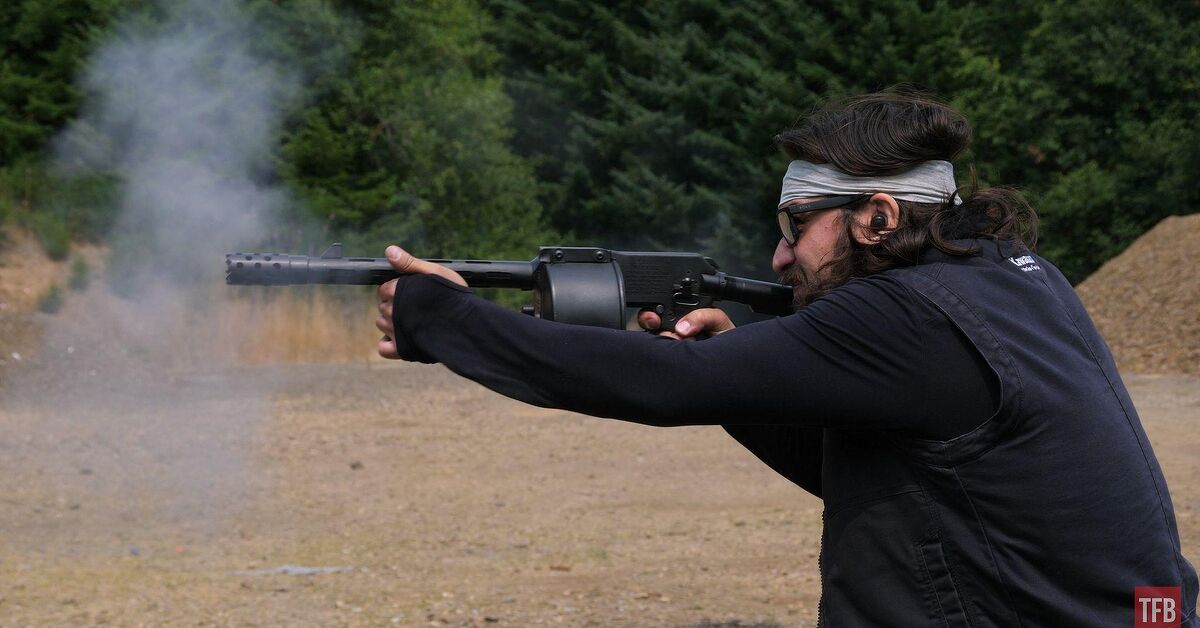
The Striker fires 12-gauge shells from a 21-round drum magazine. That capacity alone turns heads at ranges. The bullpup-style layout places the shooter's cheek near the rear of a compact frame. Controls remain accessible. Ergonomics feel foreign to traditional shotgun users. Recoil management depends entirely on operator technique and stance.
Why It Matters for Gun Owners
The Striker represents a design philosophy abandoned decades ago. Most tactical shotguns settled on tube-fed or box-fed configurations. The Striker's drum magazine offers legitimate advantages: quick reloads, higher capacity, modular design. Yet reliability questions persist. Drum magazines demand precision feeding and flawless ammunition.
For home defense, the Striker's bulk and learning curve outweigh benefits. Mossberg 500s and Remington 870s cost half the price and function reliably in stress scenarios. Military and law enforcement passed on the Striker for practical reasons. Magazine reliability under pressure remains the core issue.
Collectors and curiosity seekers find value here. Shooting one at the range generates conversation. Owning one long-term requires accepting its limitations. The novelty factor doesn't translate to defensive effectiveness or field performance. It's a conversation piece more than a working gun.
Background
The Armsel Striker entered production in 1982. Turkish manufacturer Armsel built it as a semi-automatic answer to military shotgun requirements. The design attracted attention from armed forces across multiple countries. Adoption remained limited due to cost and complexity.
Early Strikers suffered feeding problems. Ammunition selection dramatically affected reliability. Magnum loads functioned better than standard rounds. The gas system required proper tuning. Later versions incorporated improvements, but fundamental design constraints remained.
Import restrictions and regulatory changes affected availability in the United States. Striker prices climbed significantly on secondary markets. Used examples fetch $1,500 to $2,500 depending on condition. New production ceased years ago. Remaining inventory concentrates in collections rather than active arsenals.
The bullpup shotgun market eventually evolved. Different manufacturers approached the concept with better results. The Striker never achieved the practicality or adoption rates of contemporary designs. It remained a novelty from conception forward.
DownRange Bottom Line
Shoot the Armsel Striker once if the opportunity presents itself. Experience the unusual ergonomics and drum-fed capacity firsthand. Then understand why it never became a serious contender in any shooting discipline.
For defensive shotguns, proven designs still reign: Mossberg 500, Remington 870, Benelli M4. Cost, reliability, parts availability, and ergonomics all favor established platforms. The Striker teaches an important lesson: innovation doesn't always improve function.
Gun collections benefit from historical pieces like the Striker. Shooting collections require pragmatism. The Striker fits the former role perfectly. Its bucket-list status remains justified—as a one-time experience, not a permanent addition to your rotation.