AK Suppressors Finally Work Right—Here's Why That Took So Long
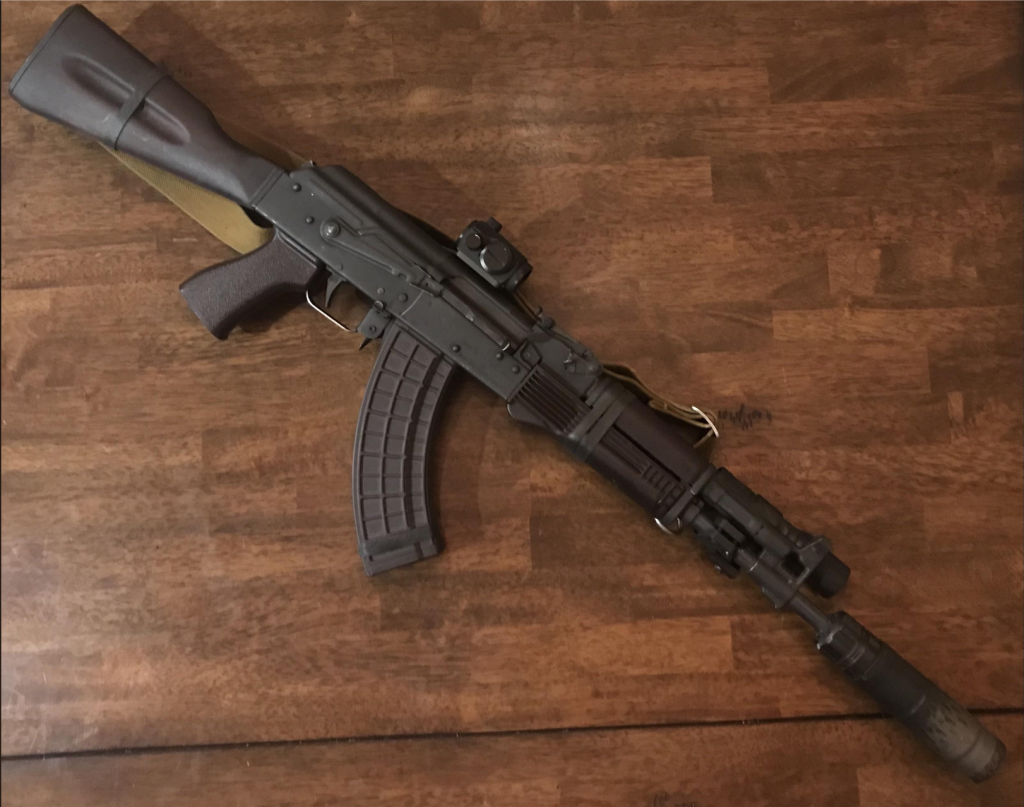
For decades, suppressing an AK-pattern rifle meant accepting failure as part of the deal. Gun counter talk warned you: threads strip, mounts fail, accuracy suffers. Some of that reputation was earned. Soviet-bloc rifles were built with loose tolerances and non-standard threading. Mounting a suppressor meant rolling dice every shot.
That curse is ending. Modern aftermarket solutions now deliver reliability on AK platforms, matching what AR-15 shooters took for granted years ago. The shift happened quietly—no press releases, just engineers solving what seemed like a permanent design flaw.
Why It Matters for Gun Owners
The AK platform represents millions of rifles in American hands. Owners paid good money for these guns. For years, suppressor ownership meant choosing between platforms—keep your AK unsuppressed or buy an AR. That's no longer true.
Suppression matters beyond noise reduction. Dust signature control in low-light situations, hearing protection, and reducing recoil on heavy-hitting cartridges like 7.62x39 all factor into real-world carry and defensive scenarios. An AK shooter who wanted quiet, reliable suppression had almost no path forward.
Modern AK suppressors deliver the same benefits AR owners enjoy: reduced report, better muzzle control, hearing-safe operation. For shooters who prefer the AK platform—whether for reliability, ammunition commonality, or preference—suppression is now a legitimate option, not a gamble.
Price matters too. Quality AK-specific suppressors now cost $300–$600, within reach of serious users. That's competitive with AR platforms.
Background: Why AKs Were So Hard to Suppress
AK-pattern rifles were designed in post-WWII USSR with manufacturing priorities that didn't include aftermarket customization. Receiver threading varied wildly between manufacturers and years. Soviet specs allowed loose tolerances. A suppressor designed for one rifle might shift on another from the same factory.
Early-adopter AK suppressors suffered. Threads stripped. Mounts rocked on the muzzle. Accuracy degraded because the suppressor's weight and can design weren't optimized for the platform's recoil impulse. Word spread fast in gun communities—AK suppressors don't work.
That reputation stuck for years, even as manufacturing improved. Newer imports and domestic-made AKs featured more consistent tooling. Threads held. But the reputation persisted.
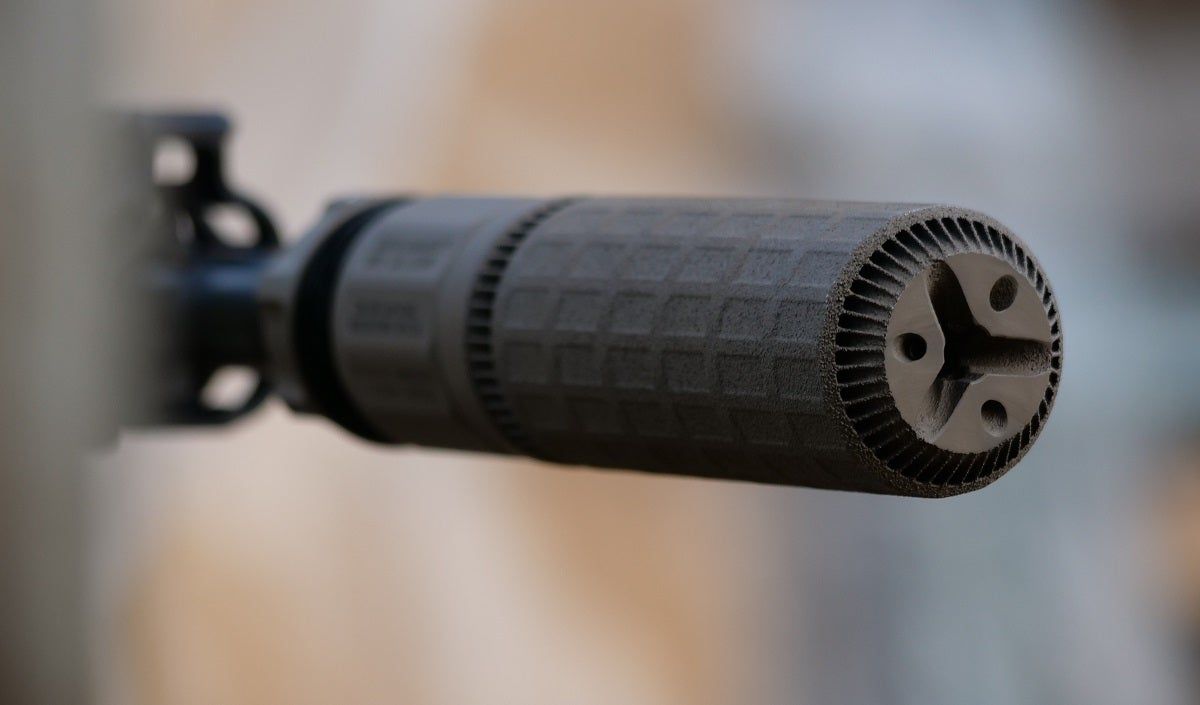
Suppressor manufacturers finally invested in AK-specific research. Companies like Dead Air, Yankee Hill Machine, and others engineered cans that account for AK receiver geometry, recoil characteristics, and threading inconsistencies. Some designed adjustable mounts. Others optimized can weight and internal baffles for the platform's unique firing behavior.
DownRange Bottom Line
If you own an AK and wanted suppression, you have real options now. The curse is broken. Modern AK suppressors work, hold zero, and deliver hearing-safe operation.
That said—verify your rifle's threading before purchase. Consistency improved but variability still exists in older rifles. Many AK owners benefit from a competent gunsmith inspecting receiver threads before any suppressor mount.
For new AK buyers considering suppression: focus on rifles with solid reputations for consistent manufacturing. Pair them with quality suppressors designed for the platform. You'll get reliability that matches AR-suppressed setups.
The AK platform just got more practical for serious shooters. That matters.