Trump Administration Won't Appeal Suppressor Deregulation Ruling
A federal district court has struck down suppressor regulations, and the Trump Administration has declined to appeal. Gun owners can now purchase suppressors over the counter without federal Form 4 approval, a decades-long regulatory barrier eliminated in one ruling.
The decision ends the two-stamp tax system that previously required separate federal firearms licenses and tax stamps for each suppressor purchase. Carriers buying suppressors at gun shops face the same background check as any firearm—nothing more. No waiting period. No additional licensing.
However, state-level bans remain in effect in 36 states. New York, California, Illinois, and New Jersey prohibit suppressors entirely. Nine additional states restrict ownership or require permitting. Buyers must verify state and local laws before purchasing.
Why It Matters for Gun Owners
Suppressors reduce hearing damage during shooting. A standard 5.56 NATO round produces 155-165 decibels without hearing protection. Suppressors drop that to 130-140 decibels—still loud but safer for repeated exposure.
The old system cost shooters $200 per suppressor in federal tax stamps alone, plus $100-200 in Form 4 processing fees and a 60-90 day wait. That's $300-400 in total friction for each unit. Many gun owners avoided suppressors entirely due to cost and bureaucratic delay.
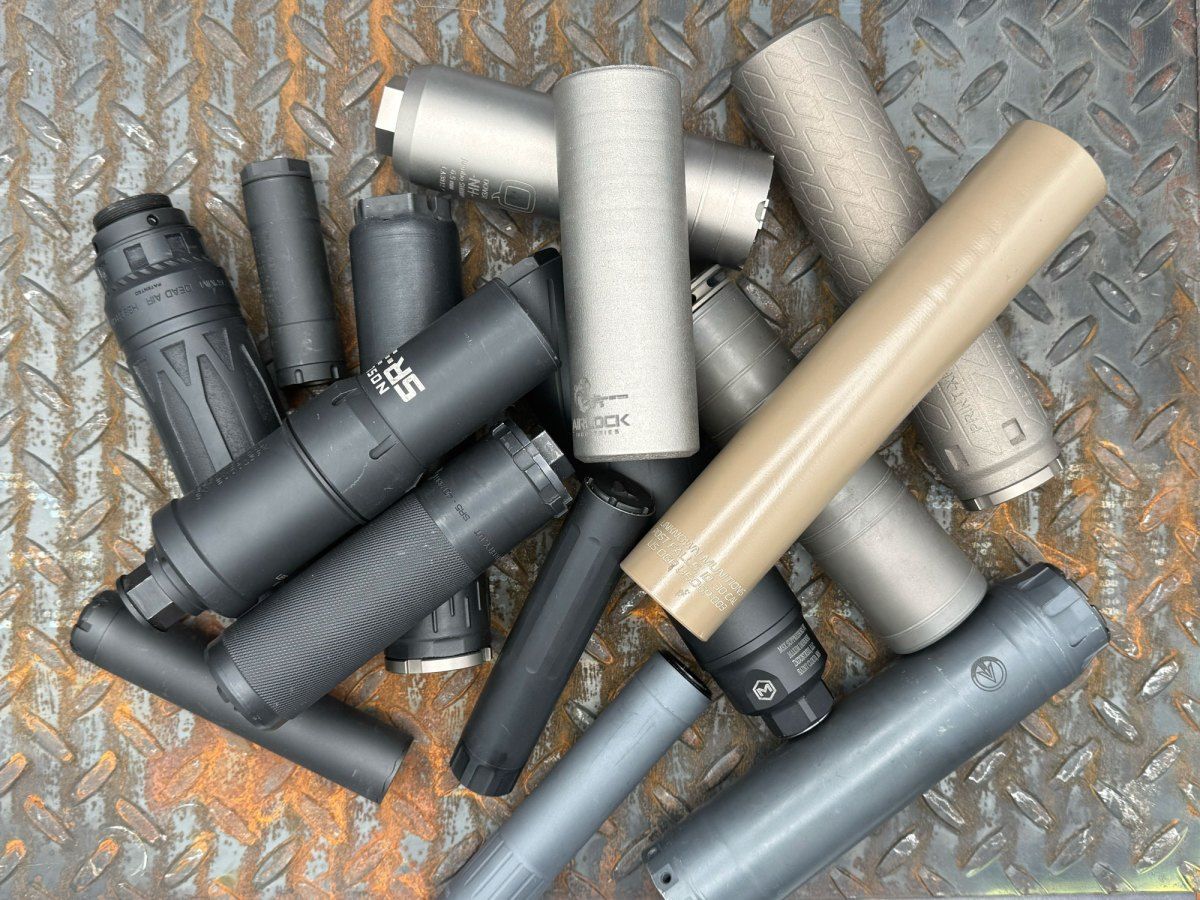
Daily carriers benefit immediately. Shooting suppressed ammunition improves accuracy by reducing recoil and muzzle rise. Commercial options like SilencerCo Osprey, Dead Air Nomad-L, and Rugged Suppressors now enter the market without federal permission slips.
Range shooters can practice hearing-safe shooting without filling federal paperwork. New shooters can enter the sport without navigating the tax stamp process.
The ruling doesn't affect state restrictions. Buyers in regulated states cannot cross state lines to purchase suppressors and return home—that violates federal law. Each state enforces its own rules.
Background
Suppressors faced federal regulation under the National Firearms Act of 1934, originally intended to combat gangland violence. The regulatory framework required suppressors to be registered, taxed, and tracked like short-barreled rifles and fully automatic weapons.
The NFA tax stamp system survived 90 years unchanged. Shooters accepted the $200 tax and 60-90 day wait as standard friction.
That changed when a gun rights organization challenged the regulatory basis in federal court. The judge ruled that suppressors don't fall under NFA jurisdiction and shouldn't require federal approval. The Trump Administration declined to pursue an appeal, allowing the ruling to stand.
Gun control advocates argued suppressors enable undetected shooting and pose public safety risks. No credible evidence supports that claim. Suppressors don't silence gunshots—they reduce volume. Countries with looser suppressor regulations don't experience higher violence rates.
The ruling affects federal law only. States retain authority to regulate or ban suppressors within their borders.
DownRange Bottom Line
If you carry in a state where suppressors are legal, you can now buy one without federal tax stamps or Form 4 delays. Budget $400-800 for quality commercial suppressors like Rugged Razor, Nomad-L, or SilencerCo products.
Check your state law before purchasing. Call your state's attorney general office or firearms licensing division to confirm legality in your jurisdiction.
This ruling doesn't restore suppressor access nationwide. It removes one regulatory barrier for shooters in 14 permissive states. Most Americans still face state-level suppressor bans. The fight for nationwide deregulation continues in legislatures and courts.
Suppressors work. They reduce hearing damage. They improve accuracy. Now they're finally accessible for daily carriers willing to navigate remaining state restrictions.