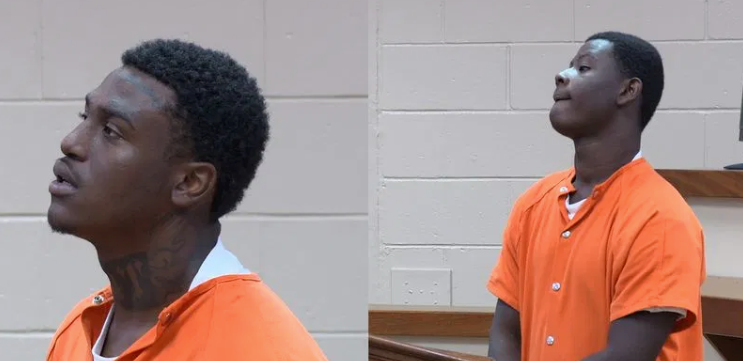
Trump Still Holding Gun Rights Activist Adamiak in Federal Prison
Tate Adamiak remains in federal custody despite expectations he would be released after President Trump's 2024 election victory. A senior government official told Adamiak's family he would be "home by Christmas" 2025, generating hope among supporters. However, Adamiak has now served longer in prison under Trump's current term than he did during Biden's presidency, making the promised release a significant unfulfilled expectation for Second Amendment advocates.
Key Details
- A senior government official explicitly promised Adamiak's family release by Christmas 2025
- Adamiak's incarceration now extends longer under Trump's second term than under the entire Biden administration
- His family remains convinced of his innocence and has maintained public advocacy for his release
- No official explanation has been provided for the delay in promised clemency or pardon
Why It Matters for Gun Owners
Adamiak's extended detention contradicts explicit assurances given to Second Amendment activists and his family. Gun rights supporters have historically viewed Trump as an ally on constitutional issues, making the broken timeline a credibility problem for the administration. This situation creates uncertainty around promised clemency for other politically aligned defendants or activists currently serving sentences. The lack of explanation fuels questions about whether commitments made to the gun rights community during the campaign will be honored, and whether political prisoners remain a concern even under friendly administrations. For activists and donors supporting gun rights causes, this raises practical questions about political reliability and prioritization.
DownRange Analysis
Broken promises damage political trust faster than policy losses. Trump's team gained significant support from Second Amendment advocates based partly on implicit commitments to support imprisoned 2A activists. The Christmas 2025 deadline passing without action suggests either bureaucratic delay or deprioritization—neither is good for morale or future turnout. For gun owners evaluating political engagement, this demonstrates that electoral victories don't automatically translate to policy wins for detained activists. The administration needs to clarify its timeline and reasoning publicly. Silence erodes confidence more than a straight "no" would.