Tulsa County Resident Shoots Intruder During Forced-Entry Truck Theft on July 23
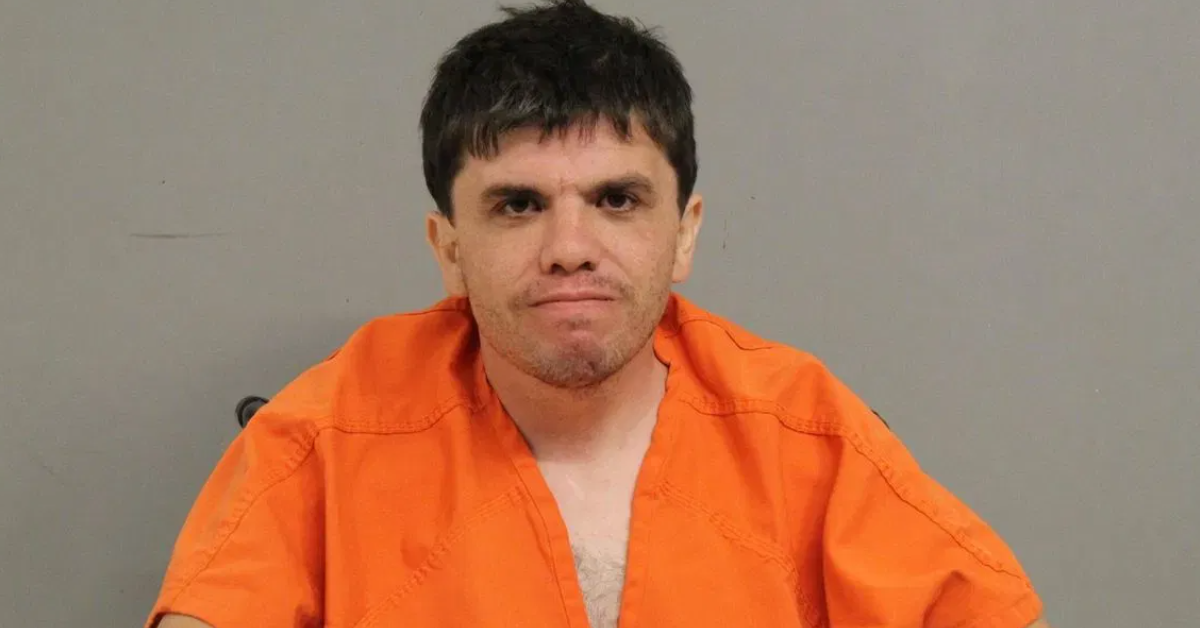
A Tulsa County homeowner discharged a firearm to stop an escalating property crime that turned into forced home entry. Joshua Arenas, 37, attempted to steal the resident's truck on July 23, 2026, then forced his way inside the house. The homeowner fired, striking Arenas in the leg. Tulsa County Sheriff's Office arrested Arenas after hospital treatment, charging him with multiple felonies tied to the incident.
The suspect faced serious criminal counts directly resulting from his actions that night. Arenas did not walk free because he was shot—he faced prosecution for attempted vehicle theft, burglary, and home invasion. This distinction matters legally and practically for gun owners evaluating their own defensive options.
Why It Matters for Gun Owners
Oklahoma law explicitly permits force to stop felonies on your property. Oklahoma Statutes § 21-1289 authorizes residents to use necessary force to prevent or stop a felony happening on their own land. This homeowner operated well within state protections—no duty to retreat, no legal exposure for defending their residence and vehicle.
The case demonstrates castle doctrine working as written. A property crime escalating into forced entry creates legitimate self-defense scenarios. The homeowner made a split-second decision that stopped the threat and held up legally. Arenas faced felony charges, not the homeowner.
Gun owners in other states cannot assume identical protections exist where they live. Some jurisdictions require retreat before using force. Others impose strict liability even for defensive shootings. Texas, Florida, and other states mirror Oklahoma's approach, but California, New York, and northeastern states impose significantly different standards. Knowing your state statute before crisis strikes is non-negotiable.
This incident also reinforces why home security matters. Arenas forced entry—meaning locks, visibility, and deterrence failed first. Guns are last-resort tools after environmental security breaks down. A loaded firearm in hand means nothing if you're unaware of the threat until someone's forcing doors.
Background and Legal Context
Castle doctrine emerged in American law to reject the idea that citizens must flee their own homes before using defensive force. Oklahoma adopted strong protections under this principle. The doctrine applies to vehicles on your property too—not just the residence itself.
Arenas's felony charges confirm prosecutors viewed his actions as serious crimes, not simple trespassing. Attempted vehicle theft plus forced entry into an occupied residence elevates the offense level significantly. The shooting didn't create legal jeopardy for the homeowner because the underlying crimes were genuine felonies. Had Arenas been an invited guest or trespasser without felony intent, the legal calculus would shift dramatically.
Hospital records confirmed the gunshot wound. Arenas received medical care, then faced arrest. This timeline—treatment then custody—protects the homeowner from claims of excessive force or failure to render aid. The system worked mechanically, even if imperfectly.
DownRange Bottom Line
Oklahoma gun owners can defend property and person without legal second-guessing under castle doctrine. This case proves it. Arenas faced felony charges; the homeowner faced none. That outcome reflects law working as intended.
Carry the lesson nationally: your state's statute determines your legal position. Learn it cold. Then layer physical security, situational awareness, and training underneath your firearm. Legal protection matters only after you survive the threat. The homeowner did both here—and the suspect's felony convictions confirmed the threat was real.