Beretta 1934: Surplus .380 Still Delivers Reliable Firepower Today
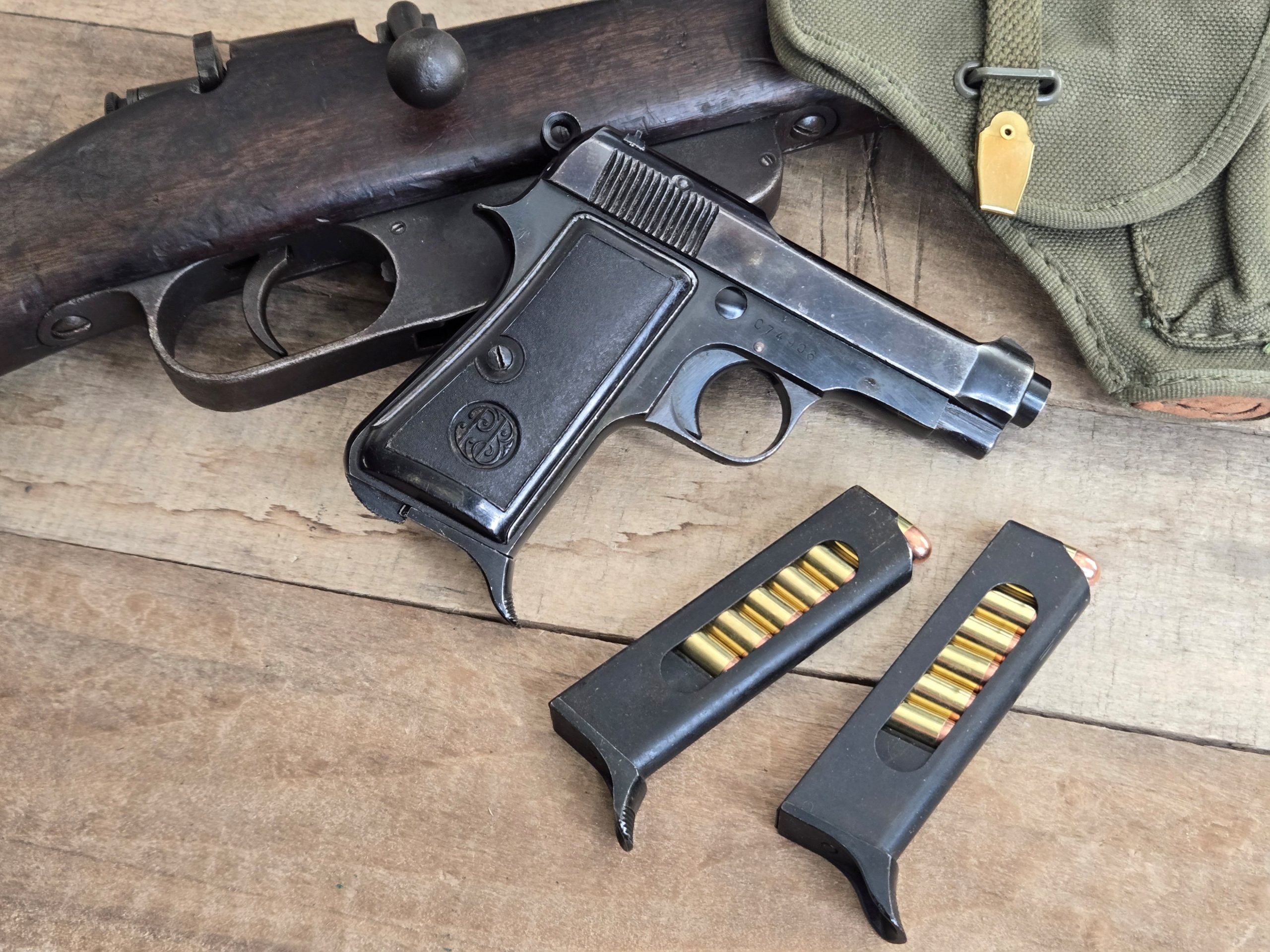
The Beretta Model 1934 spent decades as the standard-issue sidearm for Italian military and police forces before entering the civilian surplus market. This compact .380 ACP pistol remains functional, affordable, and available—proof that shooters can still find legitimate value in tested surplus steel without chasing modern polymer trends.
Key Details
- Caliber: .380 ACP (9mm Short)
- Service history: Italian military and police standard-issue for extended period
- Current status: Affordable surplus examples available on civilian market
- Design: Blowback-operated, single-action trigger, compact profile suited to carry
Why It Matters for Gun Owners
The 1934 represents a class of firearm increasingly priced out of casual shooter budgets: milsurp pistols with genuine service records and proven reliability. While .380 ACP lacks the stopping power of modern 9mm, the 1934's compact size and light recoil make it suitable for shooters developing fundamentals or those with limited hand strength. Surplus military pistols also serve collectors and history-minded shooters who understand firearm evolution. Availability and pricing vary by state; check local laws on imported firearms and any age-related restrictions on acquisition. These pistols won't appreciate dramatically, but they won't depreciate either—they hold value in a market increasingly dominated by first-generation production guns.
DownRange Analysis
The 1934's persistence in the surplus market reflects a broader truth: well-engineered guns from the 1930s outclass many budget pistols manufactured today. Magazine springs may need replacement after 90 years of storage, and barrel wear varies, but the mechanical fundamentals remain sound. For the shooter treating this as a range gun or backup, inspection by a gunsmith before first use is prudent. The .380 cartridge remains commercially available and affordable relative to modern defensive rounds. Whether you view the 1934 as history or hardware, it proves that Second Amendment rights aren't limited to the latest release—they extend to proven designs that predate most of us.