Federal FliteControl Costs More, Works With Fewer Shotguns
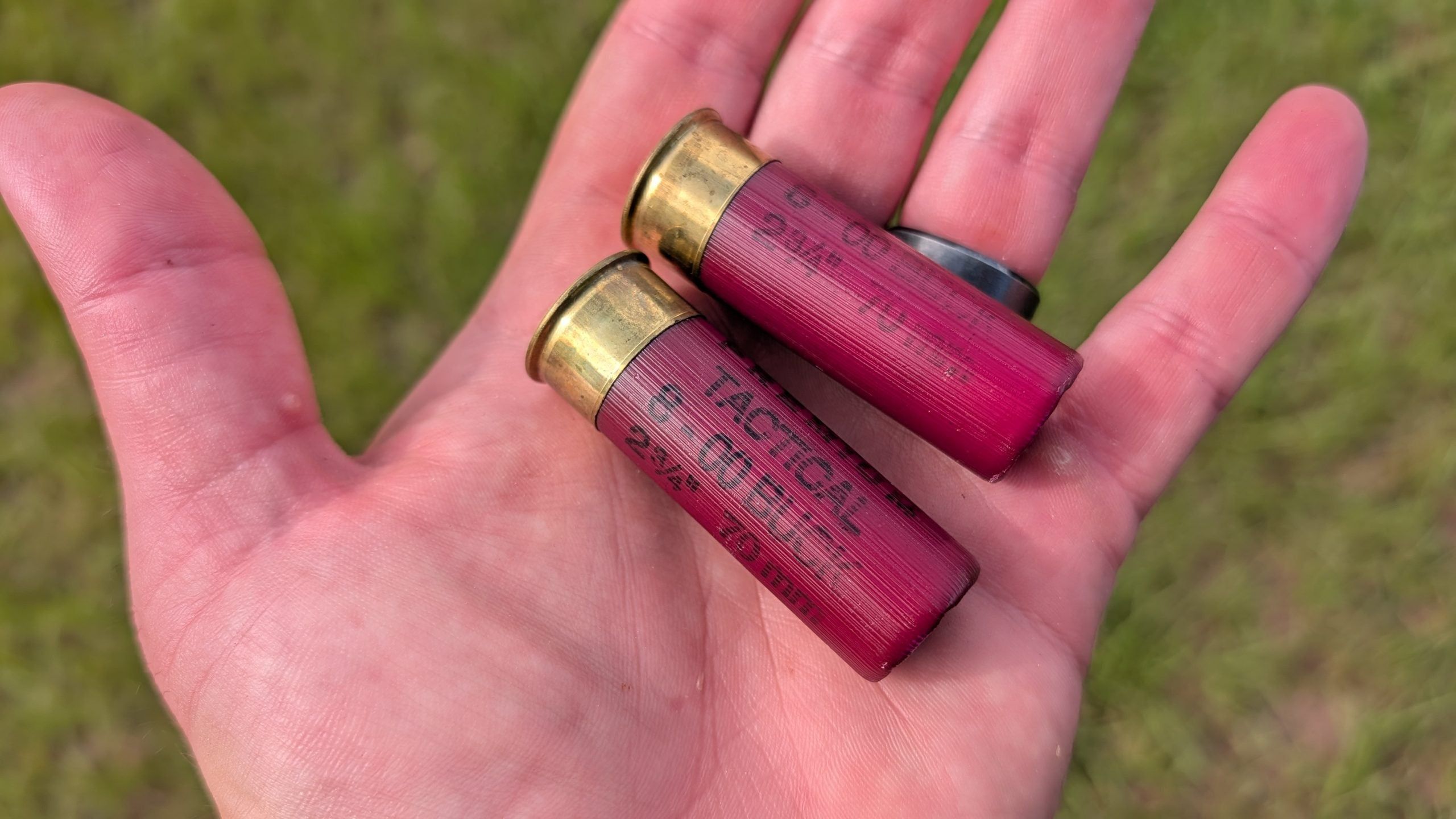
Federal's FliteControl buckshot commands premium prices while creating compatibility headaches for home defenders. The load's tight patterns demand specific barrel modifications most shooters lack. Many popular defensive shotguns reject FliteControl rounds entirely, forcing buyers to choose between ammunition that functions or ammunition that patterns.
The FliteControl design uses a flexible nylon ring around the pellet column. This ring compresses during firing, then expands to separate pellets from the wad faster than conventional buckshot. The result: tighter patterns at defensive distances.
But that ring requires specific shotgun bores. Smoothbore barrels perform best. Rifled slugs barrels—common on deer guns and tactical shotguns—don't cooperate with FliteControl rings. The ammunition simply won't group reliably. Some shooters report failures to feed or eject.
Why It Matters for Gun Owners
Home defense shotgun selection already demands careful thought. Add ammunition restrictions, and you're choosing between guns or loads. That's backwards.
Budget matters. FliteControl costs $2-3 per round in bulk. Standard Federal buckshot runs $0.80-1.20 per round. For a defensive load you may never fire, that gap stings. A 25-round practice session costs $50-75 with FliteControl versus $20-30 with standard loads.
Pattern reliability matters more. Shooters buy defensive ammunition expecting it to work in their gun. Period. If your shotgun came with a rifled barrel, FliteControl creates problems before the crisis. Testing reveals inconsistent patterns. Some loads spread too wide. Others keyhole pellets downrange.
Ammunition variety matters. Most shooters own one or two shotguns. That gun represents your home defense tool. It should accept quality ammunition options without modification. Standard Federal 00 buckshot patterns tight enough for home defense in virtually every shotgun ever made. FliteControl doesn't.
Training amplifies these issues. New shooters need affordable ammo to practice. FliteControl's cost prevents realistic training. Dry firing teaches trigger control, but live ammunition teaches recoil management, sight picture recovery, and ammunition handling. Expensive ammunition invites skipping training sessions.
Background
Federal introduced FliteControl loads around 2017. The product targeted law enforcement and armed professionals. Those agencies control their shotgun inventories. They can specify smoothbore barrels and test compatibility before deployment.
Consumer marketing followed. Retailers stocked FliteControl in defensive sections. Shooters assumed "better patterns" meant better protection. That logic ignored their actual shotgun's capabilities.
FliteControl performs exactly as engineered. In compatible shotguns—smoothbore barrels, quality actions—patterns tighten significantly. Federal's technical data shows measurable improvements at 15-25 yards. But that assumes your gun accepts the ammunition without issue.
Real defensive distances—7 to 15 yards—don't demand FliteControl's tighter patterns. Standard buckshot spreads 4-6 inches at these ranges in most shotguns. That's more than enough to stop threats while maintaining shot placement control. A defensive shotgun fired in stress requires shootable patterns, not magazine-worthy groupings.
DownRange Bottom Line
FliteControl ammunition works. In the right shotgun. At a premium price. For shooters willing to test compatibility before betting their lives on it.
Most gun owners should buy quality standard buckshot instead. Federal, Remington, and Winchester 00 loads pattern tight, cost less, and function in every shotgun without modification. Practice with affordable ammunition. Know your gun's true patterns. Accept proven ammunition over marketed solutions.
Choose shotguns and ammunition that work together first. Optimize performance second. FliteControl buyers often reverse that order—and regret it when their gun rejects the expensive rounds.