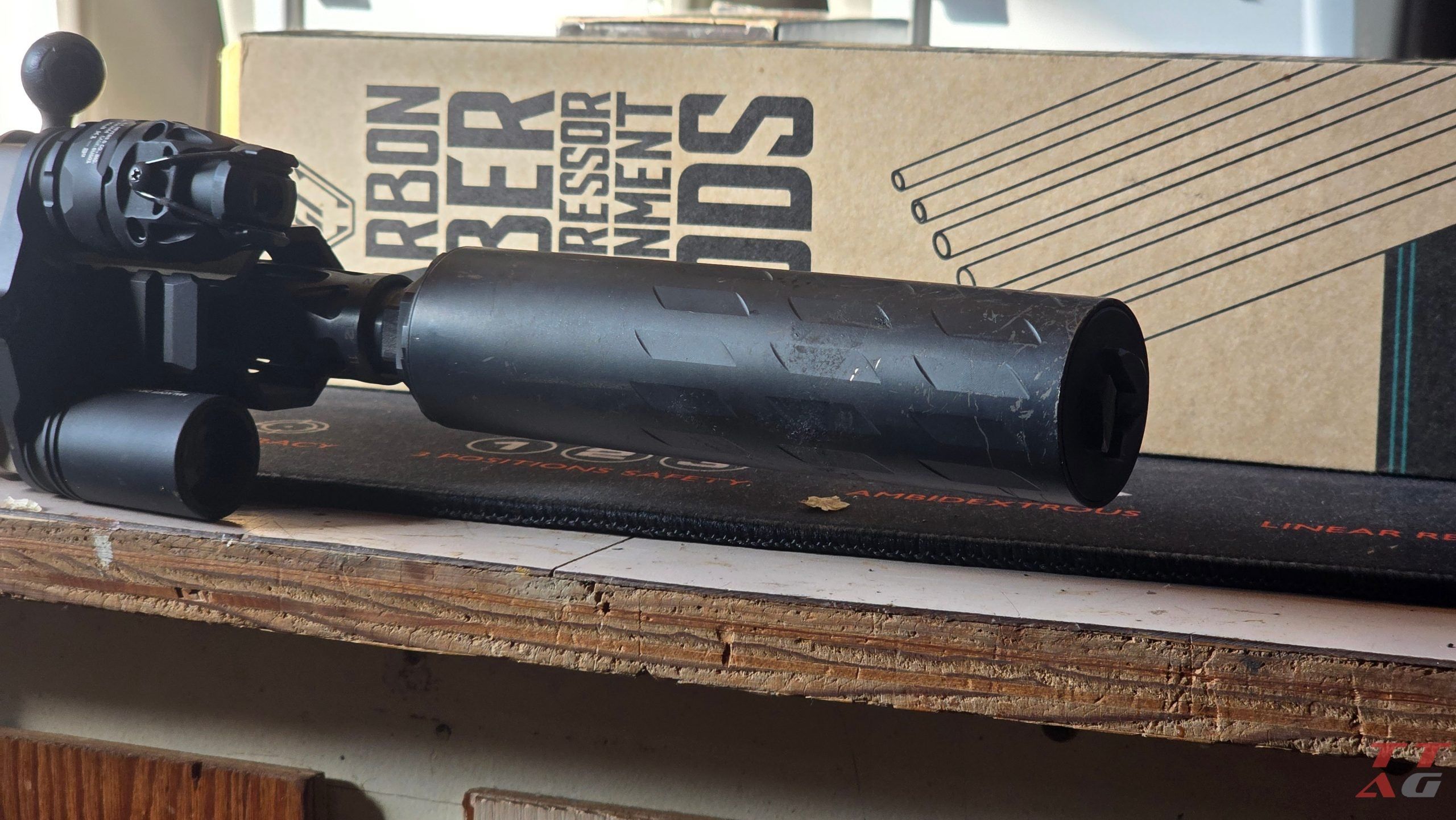
Baffle Strikes Destroy Suppressors Fast—Here's How to Stop It
A baffle strike happens when a bullet contacts the internal baffles of your suppressor. The result: destroyed internals, wasted money, and potential safety risks. Misalignment, worn mounts, and ammunition instability cause most strikes. Gun owners can prevent this with proper maintenance and attention to detail.
The suppressor market has exploded. Millions of daily carriers now run cans on their duty weapons. But too many shooters ignore basic alignment checks and mounting procedures. Then they wonder why their $500-$1,200 suppressor turns into scrap metal after a few magazines.
Why It Matters for Gun Owners
A baffle strike ruins your day in multiple ways. First, you lose the suppressor itself. Second, a strike can damage your barrel. Third, uncontained baffle fragments create serious safety hazards on the range.
Daily carriers and tactical shooters rely on suppressors for hearing protection and muzzle control. A catastrophic failure mid-engagement costs you firepower and confidence. Prevention beats repair every time—and prevention costs nothing.
Suppressor manufacturers rarely warranty baffle strikes under normal use. You own that failure. That means $600 to $1,500 out of pocket for a replacement can, depending on caliber and brand. SilencerCo, Dead Air, YHM, and Surefire all charge similar replacement costs. Those dollars add up fast for shooters running multiple cans across calibers.
How Baffle Strikes Happen
Three primary causes lead to baffle strikes on rifles and pistols:
Mounting Failure: Loose mounts, worn threads, and improper installation allow the suppressor to shift during fire. A rifle mounted suppressor needs hand-tight plus a quarter turn—not gorilla tight. Pistol cans on threaded barrels demand attention to adapter fit. Check mounts before every range session.
Ammunition Issues: Overpressure loads, subsonic ammo mixing, and high-velocity rounds cause pressure spikes and bullet tumbling. Pressure waves inside the suppressor can push the baffle stack forward. Run known-good ammunition from established manufacturers. Don't reload without verified load data.
Barrel Wear: Used barrels with eroded throats produce unstable bullets. A bullet leaves the barrel already off-center. It strikes the first baffle before traveling down the bore axis. Inspect used barrels before installing suppressors. Replace barrels showing visible erosion or pitting in the throat.
Prevention Checklist
Before every range trip: Check mount tightness with a wrench. Verify ammunition pressure ratings. Inspect your barrel for damage. Run only factory ammunition until you know your gun's pressure behavior.
Monthly: Strip your suppressor and inspect baffles for damage. Look for carbon buildup indicating pressure leaks. Clean with appropriate tools—never force disassembly.
Yearly: Have a gunsmith verify barrel condition and bore alignment. Small investment prevents expensive failures.
DownRange Bottom Line
Baffle strikes end suppressors and empty wallets. Protect your investment through three simple steps: secure your mount properly, run quality ammunition, and inspect your barrel. Daily carriers depend on reliable gear. A baffle strike turns your suppressor into a paperweight and your gun into a noise machine.
Suppressors aren't set-and-forget equipment. They demand attention. Give them that attention, and they'll serve you for years. Ignore them, and you'll watch $1,000 vaporize.