NRA Cuts Peripheral Spending, Redirects Resources to Constitutional Cases
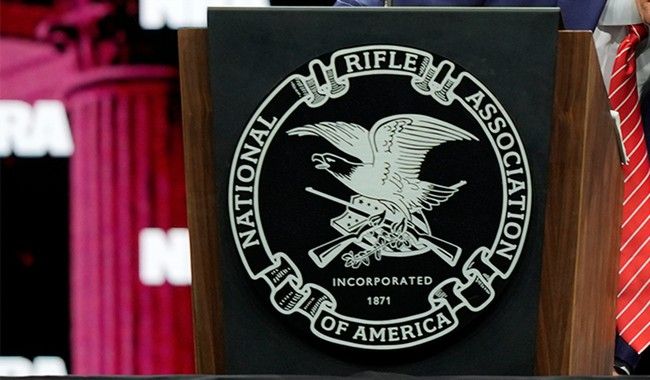
The National Rifle Association is abandoning costly legal defenses and peripheral spending to refocus on core Second Amendment litigation. Years of New York dissolution attempts, civil suits, and internal leadership chaos drained the organization's war chest. Now, NRA leadership has signaled a strategic reset: prioritize constitutional litigation, member services, and legislative advocacy over defensive firefighting that consumed millions without advancing gun owner rights.
The shift comes after sustained attacks that nearly crippled the organization. New York's attempted dissolution, multiple civil actions, and executive departures created operational paralysis. The organization spent heavily defending itself rather than attacking unconstitutional gun laws. That model failed gun owners when it mattered most.
Why It Matters for Gun Owners
This reset directly affects your Second Amendment protection. The NRA funds the cases that matter—the ones that establish nationwide precedent. Post-Bruen, lower courts are still blocking carry rights, magazine bans persist, and states are inventing new restrictions daily. Litigation remains the only tool that forces compliance.
When the NRA was bleeding resources into legal self-defense, constitutional cases languished. Gun owners in California, New York, Illinois, and other hostile states waited months for appellate support. Carry permit cases stalled in district courts. Magazine ban challenges moved at a crawl.
A refocused NRA with restored financial capacity means faster case support, better legal representation, and sharper courtroom strategy. For concealed carry holders facing state-level resistance, this matters immediately. For gun owners challenging local bans or permit denials, this means better-funded opposition to your prosecutors.
Members should also expect accountability. Dues spent on peripheral initiatives and organizational bloat serves no one. Refocused spending on litigation and legislative opposition delivers measurable wins: appellate victories, permit denials reversed, unconstitutional laws overturned.
Background: The Damage Years
The NRA's crisis period ran deep. New York's attempted dissolution under then-AG Letitia James forced the organization into expensive legal defense starting in 2020. Multiple civil suits followed. Internal chaos—executive leadership turnover, board disputes, spending controversies—further weakened operational capacity and member confidence.
During these critical years, Second Amendment litigation opportunities multiplied. Post-Bruen, courts were receptive to carry cases, magazine ban challenges, and permit denial appeals. Yet the NRA's resources were committed to organizational survival, not constitutional offense. Gun owners lost time and legal ground.
The organization's reputation also suffered. Members questioned whether dues funded constitutional defense or executive defense. Transparency gaps created doubt about strategic priorities. For an organization built on member trust, that erosion was existential.
Leadership recognized the problem. The new strategic direction directly addresses member concerns: money goes to cases and advocacy, not organizational turbulence.
DownRange Bottom Line
The NRA remains the largest funder of Second Amendment litigation in America. That power is only useful if directed toward offense, not defense. This reset redirects institutional capacity toward constitutional cases that establish precedent, block unconstitutional laws, and protect carry rights nationwide.
Expect sharper litigation strategy, faster case support, and clearer spending accountability. For gun owners in restrictive states, that means real courtroom momentum. For concealed carriers facing state resistance, that means better-funded legal opposition to your prosecutors.
The reset works only if leadership follows through. Gun owners will measure success in appellate victories, not press releases. Watch funding allocations, case dockets, and litigation outcomes. That's the scorecard.