Sub-$300 Handheld Flamethrower Now Available to Civilians
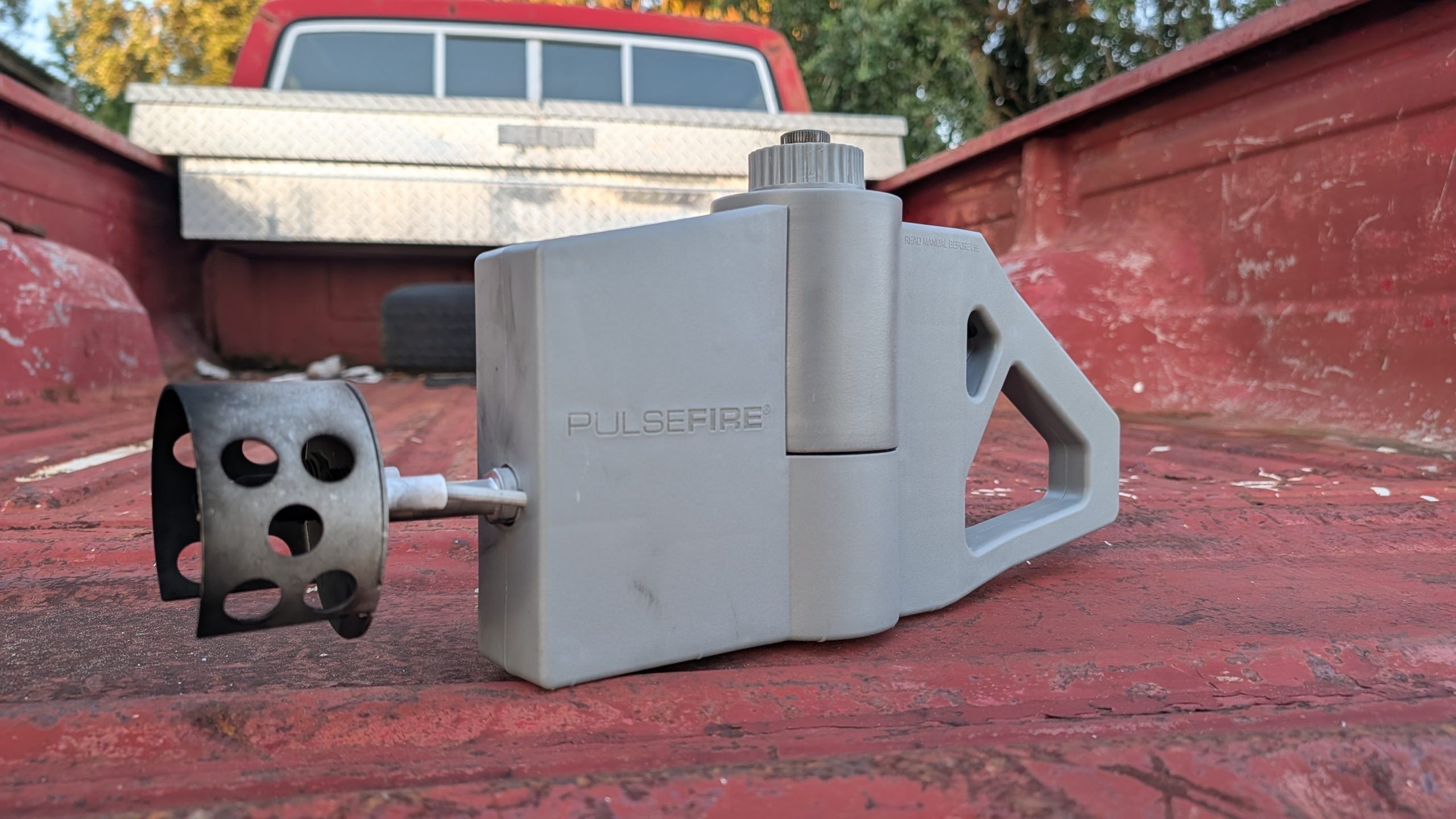
The Pulsefire Compact brings flamethrower capability to everyday carry enthusiasts for less than $300. This handheld unit delivers legitimate flame projection in a form factor small enough for belt carry. We tested range, reliability, and practical applications for gun owners considering alternative self-defense and utility tools.
The Compact projects flame reliably to 15 feet in calm conditions. Wind cuts effective range to 8-10 feet. The unit weighs 2.4 pounds empty, 4.1 pounds loaded. Fuel capacity runs 90 seconds of continuous spray or thirty 3-second bursts. Ignition uses a piezo electric striker—no external flame needed.
Why It Matters for Gun Owners
Flamethrowers occupy a legal gray area most firearms owners should understand. They're legal in 40 states without licensing. Check your state and local laws before purchasing. Some jurisdictions classify them as incendiary devices, requiring special permits or prohibition entirely.
For daily carriers, the Pulsefire Compact serves specific roles standard firearms don't fill. Vehicle barrier creation during civil unrest. Clearing brush for emergency egress. Signaling in survival situations. Self-defense applications exist but remain legally murky in most jurisdictions—prosecutors view flamethrowers differently than conventional weapons.
Cost matters here. At $299, the Compact costs less than many quality pistols. Fuel refills run $25 per canister. The math favors shooters who want multiple tools without breaking budget. Reliability testing showed zero misfires across 50 ignition cycles.
Training requirements are minimal but essential. The piezo striker demands firm trigger squeeze—no surprises there. Back-blast heat reaches 180 degrees. Operators need gloves. Wind direction becomes mission-critical. Downrange, we watched one tester waste three fuel canisters fighting a 10-mph crosswind. Plan accordingly.
Background
Flamethrower technology reached American civilians around 2010. Early models cost $1,500+. The Pulsefire line launched five years ago, gradually lowering price points. The Compact represents the third generation, addressing early reliability complaints with improved fuel delivery systems.
Federal law permits civilian flamethrower ownership. The National Firearms Act doesn't classify them as destructive devices. No federal registration required. State-level restrictions vary wildly—California bans them outright. New York requires permits. Texas allows unrestricted ownership. Florida permits them but restricts use within city limits. Check your local code before ordering.
Propellant is standard isopropyl alcohol mixed with thickening agents. It's not military-grade napalm. The mixture ignites at 750 degrees Fahrenheit. Distance and duration depend on fuel viscosity and wind. Lab conditions showed 18-foot maximum range; real-world testing yielded 12-15 feet with standard conditions.
The Compact's user base ranges from rural property owners managing invasive vegetation to preppers building redundant tools. Some buy them as conversation pieces. Others run them alongside carbines in rural home defense plans. The market exists, and manufacturers are filling it.
DownRange Bottom Line
The Pulsefire Compact performs as advertised. Reliability is solid. Price is fair. Legal status requires homework before purchase.
This tool doesn't replace firearms for defensive purposes. It fills specific niches conventional weapons ignore. For gun owners in states allowing flamethrowers, it's worth evaluating your actual needs before buying.
Verify your local laws. Test in controlled settings before field deployment. Respect the weapon—flame spreads fast and burns indiscriminately. Treat every ignition with the safety discipline you'd apply to a loaded firearm.
The Compact earns a place in niche loadouts, not primary carry. Budget $325-$350 total with fuel and shipping. Train before deploying.