Michigan Democrat Quietly Opposes Second Amendment Rights
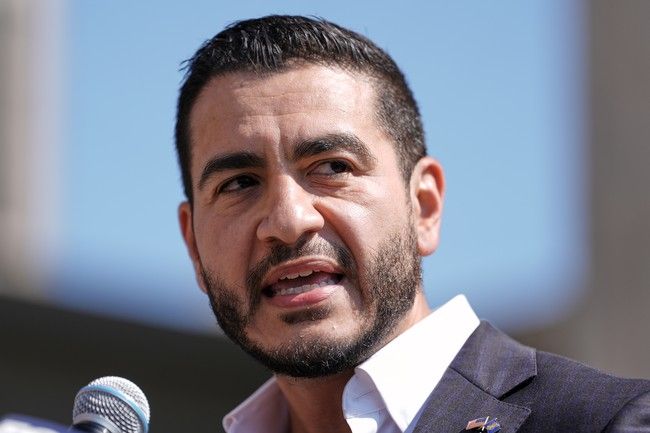
Abdul El-Sayed, Michigan's Democratic candidate for U.S. Senate, is deliberately avoiding gun control rhetoric on the campaign trail while maintaining a documented record of opposition to Second Amendment protections. The strategy suggests his actual stance would alienate moderate voters in a swing state where firearms ownership remains significant. His anti-gun positions remain on record despite the campaign's silence on the issue.
Key Details
El-Sayed's record includes:
- Public statements opposing gun rights and Second Amendment protections
- Deliberate campaign strategy to avoid prominently featuring gun control messaging
- Positioning as a mainstream candidate despite holding positions to the left of most Michigan voters on firearms
- Strategy appears designed to prevent alienating swing-state voters who own guns or support constitutional carry
Why It Matters for Gun Owners
Michigan gun owners should understand what candidates actually believe, not what they choose to talk about. A Senate candidate in a purple state who quietly opposes Second Amendment rights while publicly soft-pedaling the issue is signaling that his positions are electoral liabilities. This pattern—avoiding gun topics while maintaining anti-gun voting records—has preceded major restrictions in other states. Michigan voters need to demand clarity from candidates before November. The campaign silence isn't restraint; it's calculation. Gun owners voting in this race should pull voting records, not accept campaign messaging silence as neutrality.
DownRange Analysis
El-Sayed's strategy reflects Democratic vulnerability on Second Amendment issues in swing states. A candidate with genuine Second Amendment respect doesn't hide his positions; he defends them. The deliberate campaign avoidance signals that anti-gun measures would follow a Senate win once electoral pressure lifts. Michigan voters—especially those in rural and suburban areas—should recognize that candidates who run silent on guns often run hard on restrictions once elected. Demand direct answers on constitutional carry, permitless carry, and federal reciprocity. In swing states, silence speaks louder than platform promises.