Trump Meets Xi and Putin in Shenzhen on Nukes
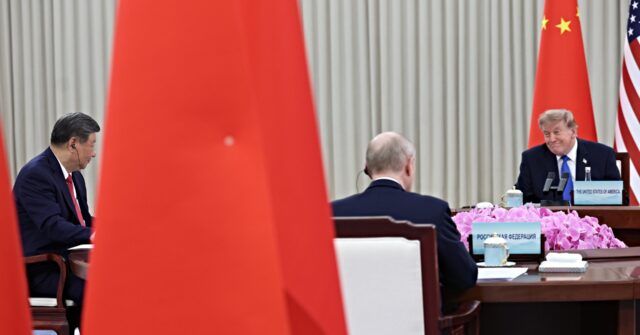
President Donald Trump met Chinese President Xi Jinping and Russian President Vladimir Putin on Thursday, November 19, 2026, in Shenzhen, China, for a three-way summit. The agenda covered Ukraine, nuclear weapons, and the Iran war. Trump said the three nations are positioned to cut the number of nuclear weapons on Earth and reduce the odds they get used. Xi called the meeting a step of major importance. The talks ran alongside the 33rd Asia-Pacific Economic Cooperation Economic Leaders' Meeting, which China hosts. Not one item on the agenda involved a firearm, a magazine, or a background check. For a Second Amendment portal, this is a foreign-policy story. Gun owners feel it through tariffs and supply chains, not through statute.
Key Details
The facts from the summit break down as follows:
- Date and location: Thursday, November 19, 2026, in Shenzhen, Guangdong province, China. The trilateral met at Kylin Villa.
- Participants: Trump, Xi, and Putin. Trump held a separate one-on-one with Xi before the trilateral, his third substantial meeting with Xi this year.
- Nuclear weapons: Trump said the United States, Russia, and China can discuss reducing the global nuclear stockpile and lowering the risk of their use.
- Ukraine: After meeting Xi, Trump said Washington and Beijing both want the Ukraine war to end.
- Iran war and shipping: Trump praised shared interest in keeping oil moving through the Strait of Hormuz, a waterway that has become a key target in the Iran war.
- Trade: Trump said he would ask Xi to buy more American farm products. Xi described U.S.-China relations as generally stable and improved during Trump's second term.
- Russia readout: A Putin aide said the bilateral with Trump went well and that Putin was in an excellent mood.
- Forum: The meeting came on the sidelines of the 33rd APEC Economic Leaders' Meeting, hosted by China.
Background
The New START treaty, the last binding limit on U.S. and Russian strategic nuclear arsenals, expired in February 2026. That expiration left no verified caps on the two largest nuclear powers. China has never joined a bilateral arms control framework with Washington, and it has been expanding its own arsenal for years. A three-way conversation on nuclear reduction therefore breaks new ground, at least on paper. Trump and Xi have met several times since their first trade-focused talks in late 2025, and their trade relationship has run on tariffs, export controls, and negotiated truces. The Iran war has pushed the Strait of Hormuz to the center of energy-security planning. Ukraine has remained the most active fault line between Washington and Moscow. Today's summit ties all three threads together in one room. Gun owners have followed these disputes mostly through the price of imported goods and the cost of defense spending.
Why It Matters for Gun Owners
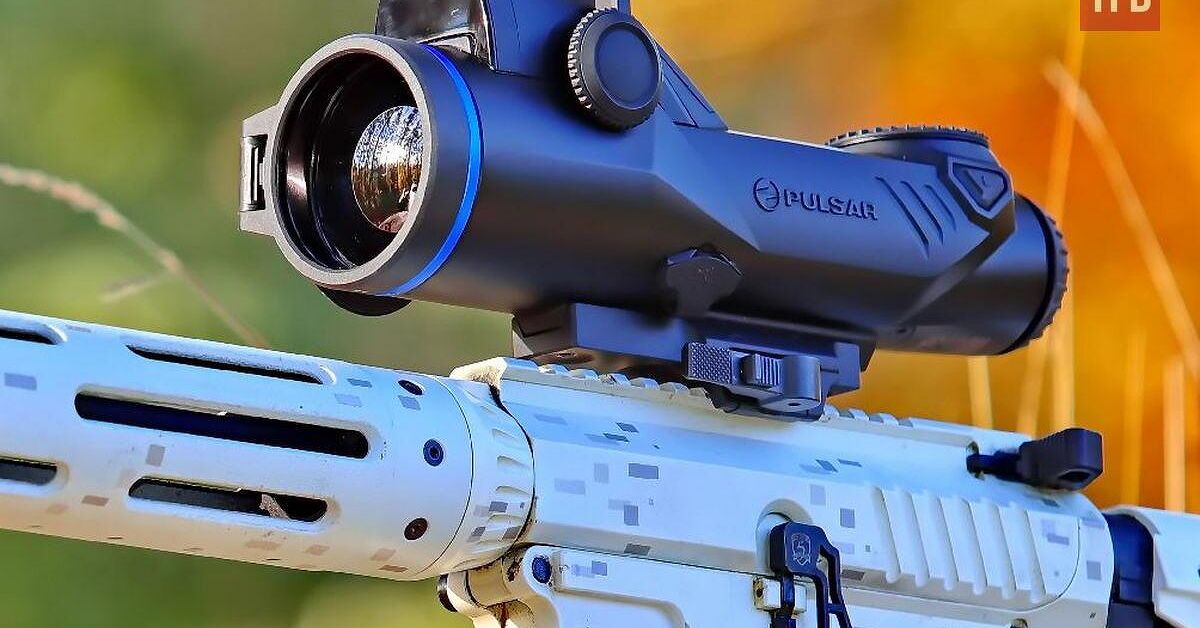
Gun owners should not expect a summit communique to change any state or federal firearm law. The practical exposure runs through trade. China remains a major source of firearm parts, castings, optics, magazines, and accessories. Tariffs on Chinese goods have already pushed up landed costs for importers and small manufacturers. Any deal that eases those tariffs would lower parts prices. Any breakdown would raise them. Ammunition components face a similar risk, since brass, steel, and certain chemical inputs move through global supply chains. If Trump follows through on new purchase commitments tied to agriculture, expect the trade headlines to dominate, with firearm parts sitting in the background. Watch the Federal Register and the U.S. Trade Representative's announcements for tariff changes that name HTS codes covering firearm components. Watch the Strait of Hormuz too. Disruption there raises fuel and freight costs, which filter into ammunition shipping and retail prices.
DownRange Analysis
A Bruen analysis does not apply here. No statute, regulation, or court ruling came out of Shenzhen. A summit produces statements, not binding law, so no Second Amendment challenge exists yet. The real question is whether anything in the nuclear or trade talks turns into enforceable text later. Arms control agreements tend to affect defense budgets, which affect firearm programs only indirectly. Trade deals carry more weight for our market. Shooters should do three things now. First, check current tariff rates on any Chinese-made parts or accessories you plan to buy. Second, lock in prices on items you need if your supplier signals increases. Third, read the full source coverage before drawing conclusions, because the public readouts so far contain mostly broad goals and no signed commitments. Treat this summit as background noise for gun owners until a trade document lands.