Suppressors Move from ITAR to Commerce Control—Here's What Changes
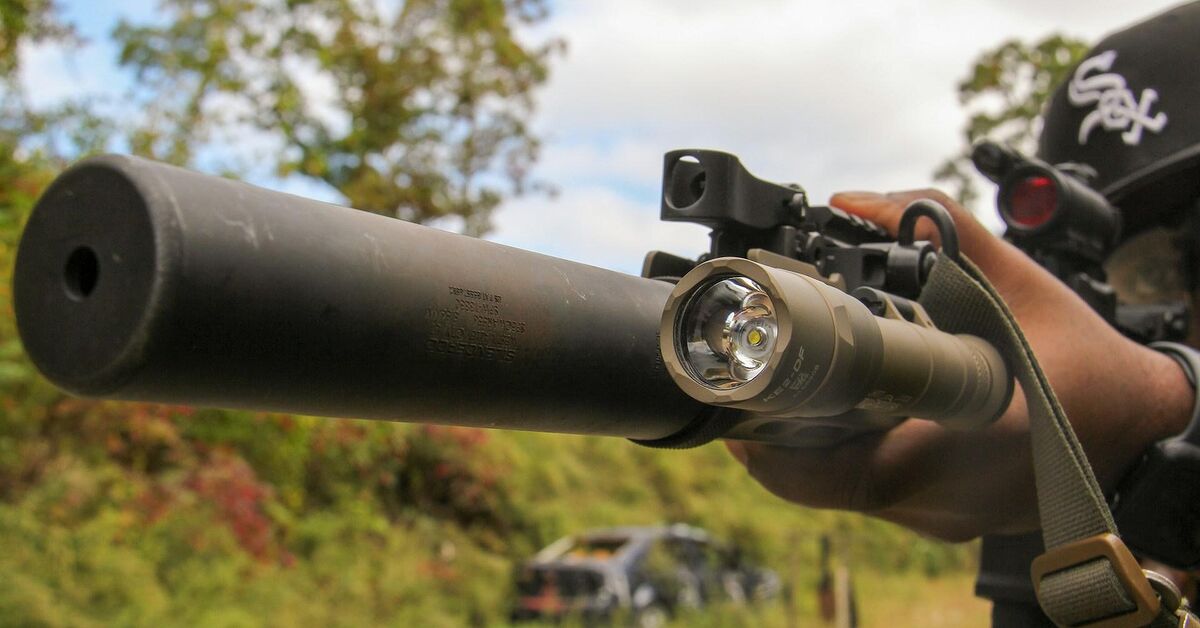
The U.S. Department of Commerce has assumed primary export authority over suppressors, moving them from State Department International Traffic in Arms Regulations (ITAR) oversight to Commerce Control List administration. Domestic use remains unrestricted. The shift affects manufacturers shipping cans overseas, U.S.-based exporters, professional shooters competing internationally, and industry representatives attending foreign demonstrations or trade events.
Key Details
- Suppressors now fall under Commerce Department jurisdiction rather than State Department ITAR classification
- Domestic shooting, hunting, and range use faces no regulatory changes
- Manufacturers and exporters must comply with new licensing and documentation protocols for international sales
- Competitors, armorer instructors, and industry professionals traveling with suppressors abroad must verify compliance before departure
Why It Matters for Gun Owners
Most American shooters won't notice anything. You can still buy suppressors domestically, suppress your rifle at the range, and hunt with a can—nothing shifts for you. But the reclassification creates friction for manufacturers trying to sell internationally and for serious competitors. If you're planning to shoot matches overseas, attend international training events, or demonstrate firearms equipment abroad, you now need different export paperwork. The Commerce Department typically processes requests faster than State Department ITAR reviews, but requirements differ. Check with your suppressor manufacturer or legal counsel before any international travel with firearm accessories. Anyone shipping cans to international distributors or wholesalers must file new forms.
DownRange Analysis
This move signals quieter, less restrictive export policy. ITAR treated suppressors as military-grade technology; Commerce treats them as commercial goods. That's favorable for industry but demands precision compliance. Manufacturers gain speed getting products to allied countries, which could expand the suppressor market overseas and bring fresh design competition stateside. Gun owners should expect no downstream impact on domestic supply or pricing. The real winners are exporters; the real losers are anyone moving suppressors internationally without tracking the regulatory shift. Read your manufacturer's export guidance carefully before crossing a border with one.