Trump Admin Considers Redirecting Iranian Assets for Gulf Security
The Trump administration is evaluating a controversial proposal: using billions in seized Iranian assets to fund defensive rebuilding efforts for Gulf allies targeted by Tehran's recent missile and drone strikes.
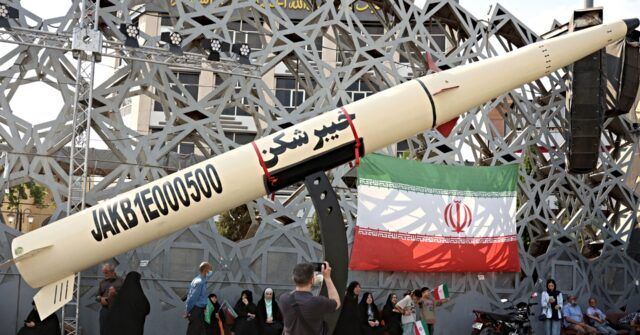
Iran launched coordinated attacks against regional partners, prompting U.S. officials to explore whether frozen Iranian funds—currently held in various accounts due to sanctions—could be deployed to strengthen allied defenses rather than returned to Tehran as Iranian officials demand.
The Financial Standoff
The U.S. has held substantial Iranian assets frozen since the sanctions regime tightened. Iranian leadership simultaneously pressures Washington to release billions of these funds as part of broader negotiations. The Trump administration's proposal creates a direct conflict: instead of releasing capital to Iran, officials would redirect it toward defensive capabilities for countries Iran has attacked.
This strategy sits at the intersection of financial leverage and regional security. Gulf allies—including Saudi Arabia, the UAE, and others—face genuine threats from Iranian ballistic missiles and unmanned systems. Redirecting frozen assets toward air defense systems, early warning networks, or civil defense infrastructure would strengthen these partners without requiring new U.S. taxpayer spending.
Why This Matters for Gun Owners and Shooters
Regional stability directly affects global firearms markets and ammunition availability. Iranian destabilization creates refugee crises, energy market disruptions, and weapons proliferation. When Gulf states strengthen their defenses, they reduce the likelihood of broader conflict that triggers supply chain disruptions affecting American shooters.
Additionally, this proposal reflects how government policy decisions about foreign assets intersect with Second Amendment issues. The legal precedent of asset seizure and redirection could establish frameworks affecting how U.S. authorities handle seized domestic firearms-related assets or ammunition caches.
Strategic Complications
The proposal faces legitimate obstacles. International law questions whether the U.S. can legally redirect seized assets to third parties rather than returning them to their original owner—even a sanctioned regime. Some legal experts argue seized assets must be either returned or absorbed into the Treasury rather than redirected toward military rebuilding elsewhere.
Iran's demand for asset release provides Tehran with negotiating leverage. If the U.S. redirects frozen funds to Iran's adversaries, Tehran will escalate demands and potentially justify further proxy attacks as self-defense against U.S.-funded regional buildup.
Gulf allies themselves must agree to accept funding derived from seized Iranian assets. Some nations may view this as entangling them in ongoing U.S.-Iran disputes rather than supporting their independent defense strategies.
DownRange Analysis
This proposal reflects hardened Trump administration thinking on sanctions enforcement and regional power dynamics. Rather than negotiate asset releases, the administration explores whether seized capital can serve U.S. strategic interests directly. The approach is aggressive but faces legal and diplomatic friction.
For American gun owners and Second Amendment advocates, the principle matters: government asset seizure and redirection can establish precedents affecting domestic firearms policy. Today's Iranian asset redirection could influence how seized weapons, ammunition, or components are treated in future domestic cases.
The proposal remains under review. No formal announcement or implementation timeline has emerged. The administration continues weighing legal frameworks, diplomatic consequences, and whether Gulf partners will accept this form of defensive funding.
Source: Trump Administration Considers Using Seized Iranian Money to Rebuild Gulf Partners