Utah Bystander Stops Armed Man at Gas Station With Defensive Gunfire
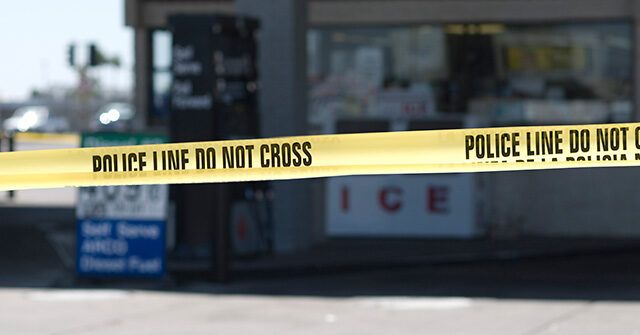
A Riverton, Utah resident used a firearm to stop an armed threat Friday at a convenience store when a man entered carrying a shotgun after being denied alcohol at an adjacent location. The bystander's defensive shot killed the armed individual, preventing further escalation. Riverton Police responded to the scene and confirmed the circumstances of the encounter.
Key Details
Timeline and Location: The incident occurred at a convenience store in Riverton, a suburb south of Salt Lake City. The armed subject had become angry after being refused an alcohol sale at another business and returned with a shotgun. The Response: An armed bystander on-scene made the decision to use lethal force against the threat. Police did not report any additional injuries or casualties beyond the deceased subject. Police Statement: Riverton Police confirmed the bystander's account and the circumstances surrounding the defensive shooting.
Why It Matters for Gun Owners
This incident represents a real-world example of why millions of Americans carry firearms daily—ordinary citizens sometimes face sudden, armed threats that law enforcement cannot prevent in advance. The bystander's immediate presence and willingness to act stopped what could have escalated into a public mass shooting scenario. Utah permits constitutional carry and does not require permits to carry concealed, allowing law-abiding residents to defend themselves and others. For gun owners nationwide, this reinforces the practical reality that seconds matter; armed citizens present at the moment of crisis save lives. Police response times vary by location, often measured in minutes. The legal doctrine of self-defense—protecting yourself or innocent third parties from imminent threat of death or serious bodily injury—remains valid in Utah and across most U.S. jurisdictions when force is proportional and necessary.
DownRange Analysis
Utah's constitutional carry framework and culture of armed citizenry created conditions where a defensive tool was present when needed. The bystander's actions align with the Bruen standard's historical tradition of armed self-defense. This incident will likely generate zero legal exposure for the shooter, assuming witness statements and evidence confirm the shotgun threat was imminent. For carriers: this is why training matters. Split-second decisions under stress separate lawful defensive action from legal liability. Utah gun owners should document any defensive incident immediately, secure legal counsel before statements to police, and understand Utah's use-of-force statutes. This case reinforces why concealed carry remains legally and practically essential in America.