Bay Area Gun Range Project Hits Local Opposition Wall
A new gun range proposal in the San Francisco Bay Area faces organized community pushback—a predictable outcome in a region where firearms businesses operate under intense political and social pressure. The project attempts to fill a genuine market gap, but proximity to densely populated neighborhoods and entrenched anti-gun sentiment creates formidable obstacles to approval and operation.
Key Details
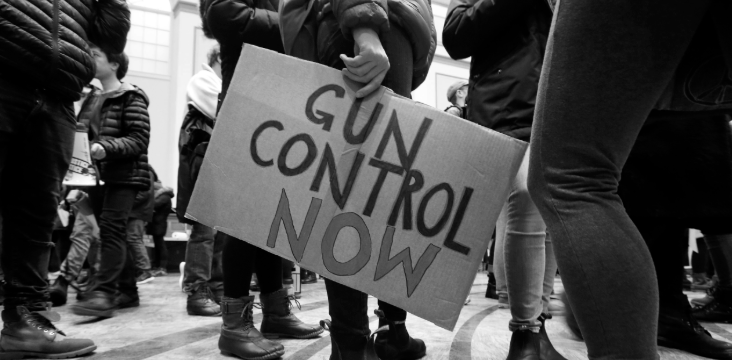
The San Francisco Bay Area has extremely limited indoor and outdoor shooting facilities relative to its population. Most ranges serving Northern California gun owners operate well outside urban cores. Community opposition to the proposed facility mirrors patterns seen across California metro areas, where city councils and planning boards routinely cite noise, environmental, and public safety concerns to block or delay range development. Local activism and NIMBY resistance remain the primary regulatory mechanism limiting range expansion in California, often proving more effective than formal state restrictions.
Why It Matters for Gun Owners
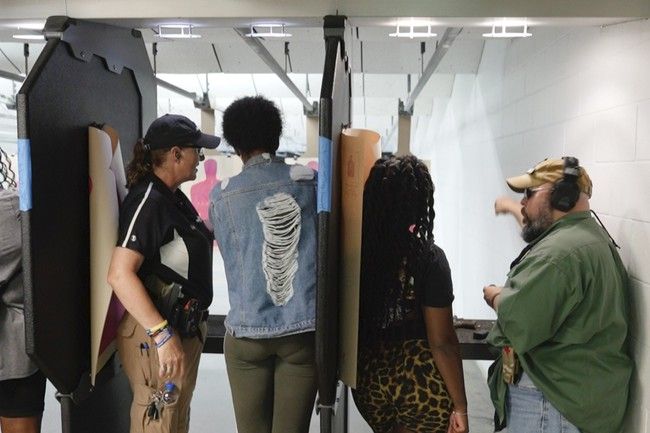
California shooters already face severe infrastructure shortages. The Bay Area has roughly 8 million residents with minimal legal shooting access—most ranges require 45-minute-plus drives. A functional range in the region would serve competitors, hunters, and defensive shooters currently forced to travel or abandon shooting sports entirely. Range closures and expansion blocks directly reduce training opportunities, particularly for younger shooters. Without accessible facilities, California's shooting community atrophies. Local opposition victories here set precedent for other Bay Area projects and reinforce the political calculus that blocking ranges carries no electoral cost in urban California.
DownRange Analysis
This fight matters because it's winnable—if handled correctly. Successful range operators in hostile territory focus on operational excellence: sound suppression, environmental compliance, safety records that exceed requirements. Bruen's framework doesn't directly address zoning or land-use decisions, so this battle occurs in city councils and planning commissions, not courtrooms. Gun owners in the Bay Area should monitor public comment periods, attend hearings, and document unequal treatment of shooting ranges versus other permitted uses. California's infrastructure crisis won't solve itself. Each blocked range strengthens the case that California effectively prohibits shooting sports through regulatory siege rather than explicit bans.