Federal Judge Blocks Walz Extradition Demand Against Texas ICE Officer
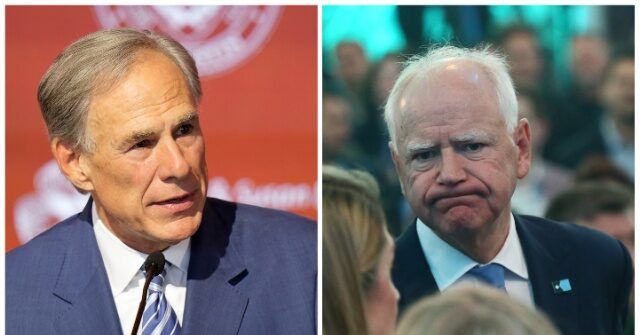
A Trump-appointed federal judge sided with Texas Governor Greg Abbott on Wednesday, refusing to compel the extradition of an ICE officer to Minnesota. Governor Tim Walz and Attorney General Keith Ellison sought the officer's return following charges connected to a shooting during an immigration enforcement operation. The judge rejected the extradition petition outright, marking a clear defeat for the Minnesota Democratic leadership.
Key Details
- The ICE officer remains in Texas custody under Abbott's protection
- Minnesota charged the officer in connection with a shooting tied to an immigration operation
- Walz and Ellison filed the extradition demand as a formal legal action
- The Trump-appointed jurist ruled against the Democratic officials without ordering compliance
Why It Matters for Gun Owners
This ruling signals judicial pushback against prosecutions of law enforcement acting within federal immigration authority. A federal officer conducting ICE operations faces Minnesota state charges—a jurisdictional conflict that splits enforcement responsibilities between federal immigration law and state criminal codes. For gun owners, the precedent matters: federal officers executing lawful federal operations gain judicial insulation from state-level charges that might otherwise weaponize prosecutorial power. If Minnesota could force extradition of a federal officer over a shooting tied to federal immigration enforcement, the same logic could apply to federal agents executing firearms-related operations. Abbott's refusal—upheld by the court—protects the separation of federal and state authority.
DownRange Analysis
This decision reflects sound federalism. Texas correctly recognized that Minnesota cannot retroactively criminalize federal law enforcement actions executed under federal authority. The judicial victory for Abbott stops Democratic prosecutors from converting immigration enforcement into a criminal liability trap for federal officers. Gun owners should note the practical implication: when federal agencies (ATF, FBI, ICE) conduct lawful operations, they deserve protection from state-level criminal charges designed to obstruct federal law. The judge's ruling protects that boundary. This outcome also demonstrates that Trump's judicial appointments are delivering on Second Amendment and federalism principles—a factor in 2028 judicial nomination battles.